


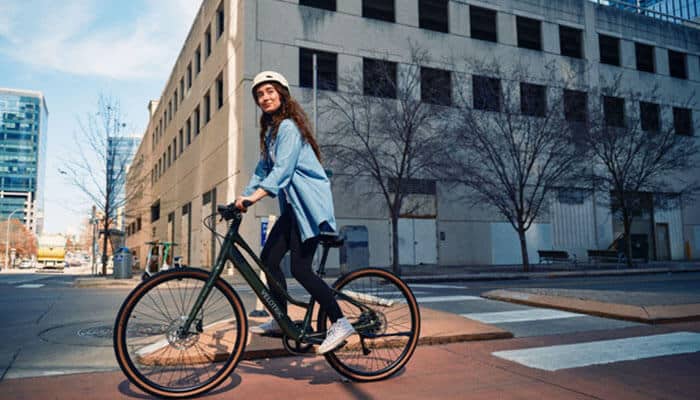

A commute that feels easy in May can become a different trip in November. Morning light disappears, wet leaves collect in bike lanes, and a familiar route on a lightweight ebike suddenly includes cold hands, reduced visibility, and a battery that may not travel as far as expected. Summer brings its own challenges, including heat and sudden storms.
These seasonal changes raise an important question for riders considering a lightweight ebike: can a smaller, lighter model remain practical throughout the year?
For many commuters, the answer is yes. Year-round capability does not depend on having the heaviest frame or largest motor. It comes from choosing an electric commuter bike with the right combination of water resistance, dependable brakes, practical tires, integrated lighting, useful range, and a battery that is easy to bring indoors. Just as important, the rider needs to adjust preparation and maintenance as conditions change.
Year-Round Commuting Is About More Than Riding in the Rain
It is tempting to define an all-season commuter by a single feature, such as waterproof electronics or wide tires. In reality, no one specification makes a bike ready for every month of the year.
Weather changes several parts of a commute at once. Rain affects traction and braking distance. Cold temperatures can temporarily reduce battery performance. Heat can make charging and storage conditions more important. Shorter days increase the need for visibility, while road salt, grit, and moisture create additional cleaning and maintenance work.
A capable commuter therefore needs to function as a complete system. The bike should support changing conditions, but clothing, route decisions, tire pressure, charging habits, and regular inspections remain part of the equation.
Spring Rain Calls for Control and Water Resistance
Spring often brings wet roads, puddles, and unpredictable showers. An electric bike used in these conditions should have properly protected electronics, but water resistance should never be confused with permission to treat the bike carelessly.
An IP rating can help riders compare protection against water exposure. However, even a water-resistant ebike should not be submerged or cleaned with a high-pressure washer. After a wet commute, wiping the bike down and allowing it to dry in a ventilated area can help prevent corrosion and buildup.
Rain also changes how the bike should be ridden. Painted markings, metal covers, wooden surfaces, and wet leaves can become slippery. Commuters should reduce speed before turns, leave more room for stopping, and avoid abrupt steering or braking. Hydraulic disc brakes can support controlled slowing, but they do not eliminate the need for caution.
Summer Heat Changes Battery and Rider Habits
Warm weather can make an ebike commute enjoyable, but high temperatures require a little planning. Batteries generally perform best when they are not left for extended periods in extreme heat. A bike parked in direct afternoon sun or stored inside a very hot vehicle may expose the battery to conditions that are less than ideal.
A removable battery gives commuters more control over storage. It can be taken into the office or home instead of remaining outside all day. Riders should use the approved charger and avoid charging a battery when it is unusually hot immediately after a ride. Manufacturer instructions should always take priority.
Summer commuting also affects the person on the bike. Breathable clothing, water, sun protection, and a lower assistance level when conditions allow can make the trip more comfortable. One benefit of electric assistance is the ability to reduce exertion on especially hot days without giving up the ride entirely.
Fall Makes Visibility and Surface Awareness Essential
Autumn may offer some of the best riding weather, but it also introduces fading daylight and debris on the road.
A trip that begins in daylight may end after sunset. Integrated lights are valuable because they are attached to the bike and powered by its electrical system. Reflective clothing and additional lights can provide even more visibility where traffic is heavy or street lighting is limited.
Turn signals and a braking indicator can also help communicate a rider’s movements, although they do not replace hand signals, shoulder checks, or defensive riding.
Dry leaves can hide potholes, while wet leaves can reduce traction. Wider commuter tires may provide more confidence than very narrow road tires, but no tire can guarantee grip. Slowing before leaf-covered corners remains the safest approach.
Winter Requires a Range Buffer and More Maintenance
Winter is where the idea of year-round commuting is truly tested. Cold conditions may temporarily reduce the usable range of a lithium-ion battery, especially when the battery has been stored outside. Riders should plan a larger range buffer instead of assuming that a summer estimate will apply unchanged in winter.
A removable battery is especially useful during colder months. Bringing it indoors makes charging more convenient and keeps it away from prolonged freezing conditions. Riders should follow the manufacturer’s guidance rather than charging a battery that is extremely cold.
Road conditions matter just as much as battery performance. Packed snow, black ice, and frozen ruts may exceed what an ordinary commuter tire can safely handle. Riders may need winter-specific tires, a different route, or alternative transportation on severe-weather days. A year-round commuter does not have to be ridden in every condition to remain useful throughout the year.
Salt and road grime can collect around the drivetrain, brakes, frame, and fasteners. Gentle cleaning, drying, and chain lubrication can help reduce wear. Tire pressure, brake pads, and lights should also be checked more often in winter.
What to Look for in an All-Season Electric Commuter Bike
Before choosing a bike for regular use across multiple seasons, look beyond top speed and motor output. The following features are often more relevant:
- Water-resistant electrical components: Useful for rain, puddles, and road spray, provided the bike is used within the limits of its rating.
- A removable battery: Easier to charge indoors and protect from prolonged heat or cold.
- Integrated lighting: Important for early mornings, winter afternoons, fog, rain, and changing daylight.
- Dependable disc brakes: Helpful for controlled stopping in frequent traffic and variable weather.
- Versatile, puncture-resistant tires: A practical choice for rough pavement, grit, damp paths, and occasional gravel connectors.
- Enough range with a reserve: Seasonal conditions and higher assistance levels can change how far one charge will take you.
- Manageable weight: A lighter bike is easier to move indoors when severe weather, storage rules, or battery care make outdoor parking less desirable.
Accessories can complete the setup. Full-coverage fenders help limit road spray, while a rear rack or panniers keep work clothing and electronics away from the rider’s back. A waterproof bag is usually more reliable than assuming every accessory will protect its contents during a long downpour.
How the Velotric Tempo Supports All-Season Commuting
A year-round commute rarely stays the same for long. A clear morning can turn into a wet ride home, while a familiar route may become darker, rougher, or covered with seasonal debris. The Velotric Tempo lightweight commuter ebike is equipped to handle many of these everyday changes without the bulk of a heavy-duty all-terrain bike.
When rain arrives, the bike’s IPX6 water-resistance rating and IPX7-rated removable battery provide protection against the puddles, splashes, and road spray commonly encountered during a commute. Shimano hydraulic disc brakes with 180 mm rotors support smooth, controlled stopping, while the puncture-resistant gravel tires add comfort and confidence on damp paths, worn pavement, and occasional gravel sections.
Tempo also helps riders adapt as daylight changes. Its 500-lumen adjustable headlight illuminates the route ahead, while the rear light includes a braking indicator and turn signals to make the rider’s movements more visible to others. These built-in features are particularly useful when an afternoon commute begins in daylight but ends after sunset.
Seasonal weather can also affect battery performance, so having additional range available matters. Tempo offers up to 60 miles of pedal-assist range under manufacturer test conditions, allowing many riders to maintain a practical reserve rather than depending on every available mile. Because the battery is removable, it can be charged and stored indoors during periods of extreme heat or cold.
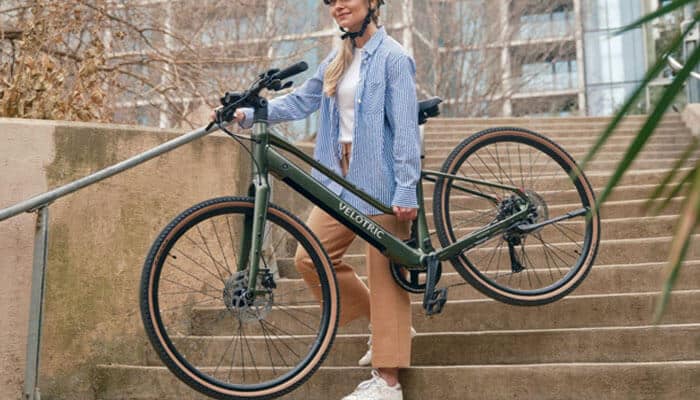
At 39 pounds with the battery and 34 pounds without it, Tempo is also manageable when weather makes indoor storage the better option. Riders can more easily move it into an office, apartment, garage, or other protected space instead of leaving it exposed overnight.
Tempo is not designed to turn icy roads or deep snow into ordinary riding conditions. Its advantage is more practical: it gives commuters the water resistance, braking control, visibility, range, and manageable weight needed to keep riding through more of the year, while still feeling like an everyday city bike.
Build a Seasonal Routine Around the Bike
The most reliable year-round commuters do not wait for a problem before checking their bikes. A short seasonal routine can prevent many disruptions:
- Check tire pressure and tread as temperatures change.
- Test both brakes and inspect pad wear regularly.
- Confirm that front and rear lights are working before darker rides.
- Keep the battery and charging port clean and dry.
- Clean road salt, grit, and wet debris from the bike.
- Lubricate the chain after cleaning and as recommended by the manufacturer.
- Carry a compact repair kit, weather layer, and backup light when appropriate.
- Choose another travel option when ice, flooding, wind, or visibility makes riding unsafe.
These habits are not complicated, but they make the difference between owning a bike that can be used year-round and having a dependable year-round transportation option.
A Four-Season Commute Starts With Realistic Expectations
A lightweight ebike can handle a year-round commute, but all-season capability is not the same as all-weather invincibility. The right bike can provide water resistance, visibility, controlled braking, flexible battery storage, and tires suited to everyday roads. The rider must still respond to the season, maintain the equipment, and recognize when conditions are beyond the bike’s intended use.
For many people, that balance is enough to keep more trips on two wheels. With thoughtful preparation and an electric commuter bike designed around practical daily needs, spring rain, summer heat, shorter fall days, and cold winter mornings do not have to end the commuting season.
