
Key Takeaways
-
- Seamless navigation and intuitive design are crucial for keeping visitors engaged.
- A user-centric approach ensures aesthetics support functionality, not hinder it.
- Consistency, accessibility, and ongoing optimization underpin long-term website success.
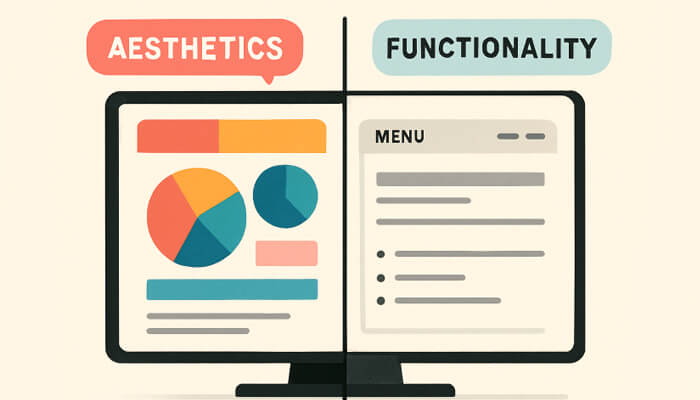
Creating a website that is both visually appealing and highly functional is an essential goal for any business or individual seeking to establish a strong online presence. A successful site captures attention through thoughtful design elements, intuitive navigation, and cohesive branding, all while ensuring that visitors can easily access the information or services they need. Balancing aesthetics with functionality requires careful planning, attention to user experience, and an understanding of how design choices impact overall usability.
In practice, achieving this balance often involves leveraging modern tools and frameworks that streamline development without compromising creativity. Platforms like Avenue 25 provide resources and insights that help designers maintain a harmonious interplay between form and function. By prioritizing both visual appeal and practical usability, websites can engage audiences more effectively, encourage longer visits, and ultimately create a more satisfying and meaningful user experience.
The Importance of Aesthetic Appeal in Building Websites
Research shows that online visitors form impressions in just seconds, with over three-quarters judging a company’s credibility based on its digital presence. Consistent color schemes, modern typography, and carefully chosen imagery are essential for shaping users’ perceptions and conveying your brand’s identity. Thoughtful visuals create an inviting atmosphere that reflects your values and distinguishes you from competitors.
Aesthetic appeal also directly influences navigation and information retention. Well-designed websites support your brand’s core narrative, while poorly executed visuals can feel generic and erode trust. Professionals in web design Phoenix emphasize that attractive, user-focused layouts encourage visitors to stay longer, explore more pages, and return in the future, ultimately strengthening engagement and building lasting connections.
Ensuring Functional Excellence in Building Websites
While eye-catching designs capture interest, seamless functionality turns curiosity into action. Modern users expect lightning-fast load times, intuitive navigation, and full compatibility with both desktops and mobile devices. Google studies show that over half of mobile visitors abandon a website if it takes more than 3 seconds to load. Navigation must be clear, with logical pathways and recognizable labels, ensuring that essential information is always within easy reach.
Accessible, well-organized websites also reach broader audiences, including users with disabilities. This means using clean code, appropriate contrast, and alt text for images, and testing the site across different browsers. Prioritizing functionality creates a path to higher engagement, improved SEO, and lower bounce rates.
Integrating Aesthetics and Functionality
The greatest sites blend design and usability so seamlessly that users never have to think about the experience; it just works. Integration begins during the planning phase by mapping common user journeys and strategically placing content, forms, and calls to action within the layout. White space, for example, increases readability and draws attention to important sections without cluttering the screen. Calls to action should be prominent yet harmonious with the overall visual scheme.
User testing can help identify design choices that may unintentionally hinder navigation or clarity. Regular feedback and A/B testing make it easy to spot and resolve friction points, ensuring that the visual story supports, rather than obstructs, every user goal.
Common Pitfalls to Avoid
Focusing too much on aesthetics can result in a confusing, overloaded interface that distracts from users’ actual needs. Overuse of color, fonts, or animation can clutter a site and detract from core content. On the other hand, an exclusive focus on usability can result in visually dull or forgettable layouts. Other issues to watch out for include slow page loads caused by large media files or unnecessary scripts, and neglecting accessibility for users with disabilities.
Regular audits of both design and technical functionality are essential. Staying informed about accessibility standards, such as those from the W3C Web Accessibility Initiative, can help businesses serve every customer effectively.
Best Practices for Designers When Building Websites
- Prioritize user research to understand audience behaviors and preferences before starting the design process.
- Create wireframes and prototypes to visualize layouts and flows, making iterative adjustments based on stakeholder and user input.
- Maintain design consistency across all pages by keeping elements such as colors, fonts, and spacing consistent for a cohesive user experience.
- Conduct regular usability tests and technical audits to ensure the site remains responsive, fast, and accessible.
- Update the website regularly to meet user expectations, align with business goals, and incorporate advancements in web technology.
Conclusion
Building websites that balance aesthetics and functionality is a rewarding but ongoing process. The most effective sites captivate visitors visually while gently guiding them to information and calls to action. This harmony between beauty and usability shapes first impressions, drives engagement, and increases conversion rates. Companies that embrace both facets, continually refining and updating their sites in response to analytics and real-world feedback, will find themselves ahead in the digital competition.