



Launching a startup with limited capital demands smarter spending, not simply lower spending. Founders need to control unnecessary costs while directing money toward product development, customer acquisition, operations, and revenue-generating opportunities. Budget hacks CWBiancaMarket offers a useful way to frame that disciplined approach to startup spending.
For entrepreneurs, every dollar should have a clear purpose. Testing demand before scaling, keeping fixed costs lean, monitoring cash flow, and reinvesting in proven growth channels can help a young business extend its runway without slowing progress.
Used effectively, budget hacks CWBiancaMarket is not about building the cheapest company possible. It is about building a capital-efficient startup that protects cash, reduces waste, and puts limited resources where they can create the greatest business value.
Quick Answer
The most practical budget hacks CWBiancaMarket for startups focus on using limited capital where it can create measurable business value. Founders should:
- Validate customer demand before making large investments
- Keep fixed and recurring costs under control
- Track cash flow, burn rate, and runway
- Build a realistic 12-month financial forecast
- Measure customer acquisition costs and profit margins
- Calculate the break-even point before scaling
- Reinvest in marketing, products, and channels that produce proven returns
The goal is not simply to spend less. It is to make every dollar support sustainable startup growth.
Key Takeaways
A strong startup budget should help founders:
- Extend cash runway
- Control unnecessary spending
- Understand cash-flow needs
- Measure marketing and customer acquisition costs
- Reach break-even more efficiently
- Reinvest in activities that support sustainable growth
The goal is not to spend the least. It is to use limited capital where it can create the most business value.
What Does Budget Hacks CWBiancaMarket Mean for Startups?
For startups, budget hacks CWBiancaMarket means using limited capital with discipline. The goal is not simply to cut expenses, but to direct money toward activities that can improve the product, attract customers, strengthen operations, or generate revenue.
Founders should prioritize spending on:
- Product development
- Customer acquisition
- Essential technology
- Marketing
- Key talent
- Compliance and protection
- Cash reserves
Before approving any major expense, ask:
What measurable business value will this spending create?
Spending deserves priority when it helps acquire customers, improve margins, increase revenue, reduce risk, or make the business more efficient.
Is It an Official Startup Strategy?
Budget hacks CWBiancaMarket is not a formally established startup-finance framework. In this guide, the term is used as a practical way to apply disciplined budgeting, cost control, and smarter capital allocation to startup growth.
Founders should still base important financial decisions on real business data, cash-flow forecasts, verified costs, and professional advice when needed.
Why Budgeting Matters More for an Early-Stage Startup
Early-stage startups have less room for costly mistakes because every expense reduces available runway. Applying budget hacks CWBiancaMarket can help founders control unnecessary spending while preserving cash for product development, customer acquisition, and growth.
Imagine a startup begins with $24,000 in cash, earns $3,000 per month, and spends $7,000.
Monthly net burn = $7,000 − $3,000 = $4,000
Estimated runway = $24,000 ÷ $4,000 = 6 months
If the founder removes $1,000 in low-value monthly expenses, net burn falls to $3,000 and estimated runway increases to 8 months.
That extra two months can give the startup more time to improve its product, acquire customers, and move closer to sustainable revenue. Smart budgeting is therefore not just cost control. It is a way to protect runway and improve the startup’s chances of survival.
Validate the Business Idea Before Spending Heavily
A core principle behind budget hacks CWBiancaMarket is validating demand before committing significant capital. Founders should confirm that customers have a real problem and are willing to pay for a solution before investing heavily in development, inventory, or marketing.
Ask potential customers:
- What problem are you trying to solve?
- What solution are you using now?
- What do you dislike about current options?
- Would you pay for a better alternative?
- What would make you switch?
Low-cost validation methods include:
- Customer interviews
- Surveys
- Landing pages
- Email waitlists
- Product prototypes
- Preorders
- Small ad tests
- Pilot programs
The SBA recommends market research to evaluate demand, market size, customer characteristics, competition, and barriers to entry.
Testing an idea with a small budget can reveal weak assumptions early and help founders avoid spending thousands on a product the market may not want.
Calculate Startup Costs Before Launch
A practical part of budget hacks CWBiancaMarket is knowing exactly what the business will cost before launch.
One-Time Startup Costs
- Company registration
- Licenses and permits
- Branding
- Equipment
- Website setup
- Initial inventory
- Professional fees
- Deposits
Recurring Startup Costs
- Rent
- Payroll
- Software
- Hosting
- Insurance
- Utilities
- Marketing
- Accounting
- Inventory replenishment
Using budget hacks CWBiancaMarket to separate one-time and recurring expenses helps founders estimate startup capital, monthly cash needs, and future runway more accurately.
Divide Spending Into Essential, Growth, and Optional Costs
A practical way to apply budget hacks CWBiancaMarket is to group startup expenses by how important they are to operations and growth.
| Spending Category | What It Means | Examples |
|---|---|---|
| Essential Expenses | Costs required to operate the business effectively | Licenses, core equipment, essential technology, payment processing, insurance, security, compliance, website infrastructure |
| Growth Expenses | Investments designed to support revenue and customer growth | Advertising, sales software, product improvements, content marketing, customer research, contractors, partnerships |
| Optional Expenses | Costs that may be useful but can usually be delayed | Premium office space, expensive furniture, launch events, luxury travel, redesigns, duplicate software, rarely used premium tools |
The goal is to protect essential spending, measure the return from growth expenses, and delay optional costs until the startup has stronger revenue and cash flow.
Create a 12-Month Startup Financial Forecast
A 12-month forecast helps founders see how much money may come in, how much may go out, and when cash could become tight. As part of budget hacks CWBiancaMarket, track:
- Monthly revenue
- Payroll
- Marketing
- Software
- Rent
- Taxes
- Loan payments
- Other business expenses
Example
| Month | Revenue | Expenses | Difference |
|---|---|---|---|
| January | $3,000 | $5,000 | -$2,000 |
| February | $4,000 | $5,200 | -$1,200 |
| March | $6,000 | $5,500 | +$500 |
| April | $7,000 | $5,800 | +$1,200 |
The goal is not perfect prediction. It is to identify possible cash shortages early.
Build Best-Case, Base-Case, and Worst-Case Budgets
Do not depend on one revenue estimate. Prepare three simple scenarios.
| Scenario | What It Means |
|---|---|
| Best Case | Revenue is higher than expected |
| Base Case | Revenue meets your realistic target |
| Worst Case | Revenue is lower than expected |
For example, if you expect $15,000 per month, also plan for what happens if revenue falls to $9,000.
Check whether the business can still cover payroll, marketing, inventory, and other essential costs.
Know Your Burn Rate and Runway
Burn rate shows how much cash the startup is losing each month.
If the business spends $12,000 and earns $7,000, the monthly burn is:
$5,000
Runway shows how long the available cash may last.
If the startup has $40,000 and burns $5,000 per month, the runway is about:
8 months
These two numbers help founders see how much time they have before more revenue or funding is needed.
Keep Fixed Costs Flexible
Fixed costs continue even when sales decline.
Common examples include:
- Rent
- Salaries
- Insurance
- Software contracts
- Equipment leases
- Loan payments
Where possible, startups can use remote work, coworking spaces, flexible software plans, and short-term contractors to avoid unnecessary long-term commitments.
Build the Minimum Viable Version First
Do not spend heavily building a perfect product before testing customer demand.
Start with a smaller version, such as:
- One core software feature
- A simple service website
- A small product batch
- A basic marketplace
- A pilot service
This allows founders to collect customer feedback before investing more money.
Audit Your Technology Stack Every Month
Software subscriptions can become expensive when too many tools are added.
Review each tool and ask:
- Is it being used?
- Does it save time?
- Does it support revenue?
- Is there a cheaper option?
- Does another tool already provide the same feature?
Applying budget hacks CWBiancaMarket means removing unnecessary software while keeping important tools for security, accounting, backups, and business operations.
Measure Customer Acquisition Cost
Customer acquisition cost shows how much it costs to gain one new customer.
For example:
Marketing spending = $3,000
New customers = 60
Customer acquisition cost = $50 per customer
Compare this cost with how much revenue and profit each customer generates.
Understand Startup Unit Economics
Unit economics shows whether each customer or sale is financially worthwhile.
Focus on three simple numbers:
- Selling Price — what the customer pays
- Variable Cost — what it costs to deliver the product
- Contribution Margin — what remains after variable costs
Example:
Selling price = $80
Variable cost = $35
Contribution margin = $45
That $45 can help cover salaries, rent, marketing, and other fixed expenses.
The main question is simple:
Does each new customer help the business become financially stronger?
Start Marketing With One or Two Channels
Trying to market everywhere can drain a startup budget quickly. A smarter budget hacks CWBiancaMarket approach is to focus on one or two channels where target customers are most likely to respond.
Possible channels include:
- Google Search
- TikTok
- YouTube
- SEO
- Partnerships
- Influencers
- Outbound sales
A B2B startup may prioritize LinkedIn, email, and SEO, while a local business may perform better with local search, referrals, and search ads.
Start small, measure results, and increase spending only on channels that produce valuable customers.
Improve the Budget Through Better Pricing
Startup budgeting is not only about reducing costs. Budget hacks CWBiancaMarket can also include improving pricing so each sale contributes more to the business.
Example:
Product price = $50
Variable cost = $30
Contribution = $20
If the price rises to $60 while the variable cost remains $30, contribution increases to $30.
Founders can also test:
- Premium plans
- Product bundles
- Annual contracts
- Subscription pricing
- Volume pricing
- Setup fees
Pricing changes should be tested carefully against customer demand, margins, and competition.
Negotiate With Vendors
Negotiating recurring costs is a practical budget hacks CWBiancaMarket strategy because even small percentage savings can become meaningful over time.
Focus on areas such as:
- Software
- Shipping
- Packaging
- Insurance
- Contractors
- Payment processing
- Equipment
- Office space
Ask about startup discounts, annual plans, volume pricing, bundles, or longer payment terms.
For example, reducing a recurring $5,000 monthly cost by 10% saves about $6,000 per year.
Hire Slowly and Intentionally
Hiring can support growth, but payroll can also become one of the largest fixed costs.
Before hiring, ask:
- Is the workload permanent?
- Is the role essential?
- Will it increase revenue?
- Can existing staff handle the work?
- Could a contractor solve a short-term need?
- Can technology reduce the workload?
A disciplined budget hacks CWBiancaMarket approach means hiring when the role solves a clear business need, not simply because the company is growing.
Use contractors only where legally appropriate and follow applicable worker-classification rules.
Budget for Founder Compensation
Founder pay should be included in the startup budget instead of treated as an unplanned withdrawal.
Consider:
- Company cash balance
- Revenue
- Funding stage
- Personal living needs
- Business structure
- Tax treatment
- Investor agreements
There is no single salary or percentage that works for every founder. The goal is to make founder compensation predictable and financially sustainable.
Keep Inventory Lean
Inventory ties up cash before it creates revenue, so budget hacks CWBiancaMarket should also include disciplined inventory planning.
Too much inventory can lead to:
- Storage costs
- Obsolete products
- Damaged goods
- Discounting
- Cash-flow pressure
Too little inventory can cause lost sales and stockouts.
Reduce risk through smaller batches, preorders, better demand forecasting, reorder points, and supplier negotiations.
Protect Cash Flow, Not Just Profit
A business can appear profitable while still running short of cash.
For example, a startup may complete a $30,000 project, but if the customer pays 60 days later, the company still needs cash for payroll and operating expenses during that period.
Track:
- Accounts receivable
- Payment terms
- Accounts payable
- Payroll
- Taxes
- Inventory purchases
- Loan payments
- Subscription renewals
Cash-flow discipline helps founders avoid financial pressure even when sales appear strong.
Manage Working Capital
Working capital shows whether a business has enough short-term resources to meet short-term obligations.
A simple formula is:
Working Capital = Current Assets − Current Liabilities
Founders can improve working capital by:
- Invoicing customers quickly
- Following up on overdue payments
- Requesting deposits
- Negotiating supplier terms
- Reducing excess inventory
- Managing customer credit carefully
- Encouraging annual prepayments where appropriate
Strong working-capital management keeps cash available for day-to-day operations and reduces the risk of avoidable cash shortages.
Understand the Three Core Financial Statements
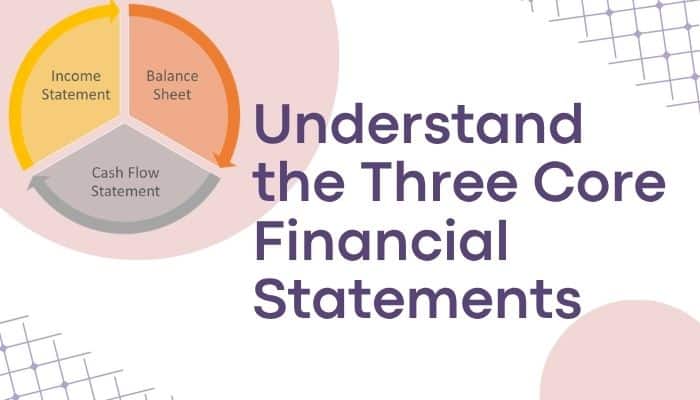
Good budget hacks CWBiancaMarket should help founders read the financial health of the business without becoming accountants. Three reports matter most:
| Financial Statement | What It Shows |
|---|---|
| Profit and Loss Statement | Revenue, expenses, and profit or loss |
| Balance Sheet | Assets, liabilities, and owner equity |
| Cash Flow Statement | How cash enters and leaves the business |
Reviewing these reports regularly helps founders spot rising costs, cash shortages, and profitability problems earlier.
Calculate Your Break-Even Point
A practical budget hacks CWBiancaMarket approach includes knowing how many sales are needed before revenue covers costs.
The SBA uses this formula:
Break-Even Units = Fixed Costs ÷ (Selling Price − Variable Cost per Unit)
Example
Fixed monthly costs = $6,000
Selling price = $100
Variable cost = $40
$6,000 ÷ ($100 − $40) = 100 units
The startup would need to sell about 100 units per month under these assumptions to break even.
This number can help with pricing, sales targets, marketing budgets, and expansion planning.
Compare Your Budget With Actual Spending
Creating a budget is only the first step. With budget hacks CWBiancaMarket, founders should compare planned spending with actual results every month.
| Expense | Budget | Actual | Variance |
|---|---|---|---|
| Software | $400 | $510 | +$110 |
| Advertising | $1,500 | $1,250 | -$250 |
| Contractors | $2,000 | $2,500 | +$500 |
| Hosting | $150 | $145 | -$5 |
Review large differences and identify what caused them. The purpose is not to eliminate every overspend but to understand where the budget is changing and why.
Hold a Monthly Startup Money Review
A simple budget hacks CWBiancaMarket routine is to review the company’s finances once every month instead of waiting until cash becomes tight.
Check:
- Cash balance
- Revenue and expenses
- Burn rate and runway
- Gross margin
- Customer acquisition cost
- Unpaid invoices
- Marketing performance
- Payroll
- Taxes
- Budget variances
Finish by asking:
What should we cut, where should we invest more, and what is our biggest financial risk over the next 90 days?
Maintain an Emergency Cash Reserve
An emergency reserve strengthens budget hacks CWBiancaMarket by giving the startup room to handle unexpected expenses without immediately cutting important operations.
Possible surprises include:
- Equipment failures
- Customer refunds
- Late payments
- Supplier problems
- Legal costs
- Cyber incidents
- Unexpected taxes
There is no single reserve amount that suits every startup. The right level depends on fixed costs, revenue stability, industry risk, inventory needs, and access to financing.
Separate Business and Personal Finances
Separating personal and company spending is another important part of budget hacks CWBiancaMarket because clean records make budgeting, tax preparation, and financial analysis much easier.
Good practices include:
- Use dedicated business accounts where appropriate
- Keep receipts and invoices
- Categorize expenses
- Reconcile transactions regularly
- Record the business purpose of major expenses
Clear records make it easier to see how the company is actually performing.
Plan for Taxes Before the Money Is Spent
Not every dollar received by the business is available to spend. Part of that cash may eventually be needed for taxes.
For U.S. taxpayers, the IRS says sole proprietors, partners, and S corporation shareholders generally need estimated tax payments when they expect to owe $1,000 or more. Corporations generally need estimated payments when they expect to owe $500 or more.
Founders should:
- Estimate potential tax obligations
- Keep an appropriate cash reserve
- Record deductible expenses
- Track payment deadlines
- Seek professional tax advice when needed
Understand Startup-Cost Tax Treatment
Certain U.S. startup expenses receive special tax treatment.
Current IRS guidance generally allows eligible businesses to elect to deduct up to $5,000 of qualifying startup costs and up to $5,000 of organizational costs. Each $5,000 deduction begins to phase down when the respective costs exceed $50,000, while remaining qualifying costs generally must be amortized.
The IRS also states that deductible operating business expenses generally must be ordinary and necessary.
Tax treatment depends on the expense, business structure, and individual circumstances, so founders should use professional tax guidance when necessary.
Know Your Startup Funding Options
A practical part of budget hacks CWBiancaMarket is choosing funding based on what the startup actually needs.
- Bootstrapping: Use personal savings or business revenue while keeping full ownership.
- Customer Funding: Use deposits, preorders, subscriptions, or advance contracts to support growth.
- Loans: Borrow capital while keeping ownership, but plan carefully for repayments.
- Angel Investment: Raise money from investors in exchange for equity.
- Venture Capital: Suitable for startups pursuing rapid growth and willing to give up some ownership.
- Crowdfunding: Raise smaller amounts from a large number of supporters.
- Grants: Explore eligible government, research, industry, or local funding programs.
Choose funding based on cost, risk, ownership impact, repayment obligations, and how the capital will support growth.
Adjust the Budget to Your Business Model
A strong budget hacks CWBiancaMarket plan should match the type of business, because startup costs vary widely by industry and operating model.
- SaaS Startup: Development, cloud hosting, software, cybersecurity, customer acquisition, support
- Ecommerce Startup: Inventory, packaging, shipping, warehousing, advertising, payment processing, returns
- Consulting Business: Website, software, insurance, professional services, lead generation, travel
- Local Service Business: Vehicle, tools, insurance, licensing, local advertising, labor
- Brick-and-Mortar Business: Rent, renovation, utilities, equipment, inventory, insurance, staff
Example of a $5,000 Lean Startup Budget
For a small online or service business, budget hacks CWBiancaMarket can help divide limited capital across essential setup, growth, and reserve needs.
- Registration and administration: $350
- Website and hosting: $350
- Essential software: $300
- Equipment: $750
- Product or service development: $800
- Marketing tests: $900
- Professional services: $450
- Customer research: $200
- Emergency reserve: $900
Total: $5,000
This is only an example. Actual startup costs depend on the business model, location, staffing, regulatory requirements, and industry.
A Practical 70-20-10 Startup Budget Framework
A simple budget hacks CWBiancaMarket approach is to divide available capital into three areas:
- 70% for Core Operations: Product development, inventory, essential equipment, technology, and daily operations
- 20% for Growth: Advertising, sales, content, partnerships, and lead generation
- 10% for Reserve: Unexpected expenses, cash-flow gaps, or new opportunities
These percentages are only a planning guide. Adjust them based on your business model, cash position, and growth stage.
Use a 90-Day Budget Hacks CWBiancaMarket Startup Plan
A focused budget hacks CWBiancaMarket plan can help founders control spending while moving from validation to revenue and optimization.
Days 1–30: Validate
- Interview potential customers
- Analyze competitors
- Define the main customer problem
- Estimate startup costs
- Set a spending limit
- Create a basic cash forecast
- Test a minimum viable offer
Days 31–60: Sell
- Contact potential customers
- Test one or two marketing channels
- Track leads and conversions
- Review pricing
- Gather customer feedback
- Monitor weekly cash
- Remove unnecessary subscriptions
Days 61–90: Optimize
- Compare marketing results
- Review burn rate and runway
- Calculate break-even
- Cut low-value expenses
- Improve margins
- Reinvest in successful channels
- Update the next six months of forecasts
The purpose of budget hacks CWBiancaMarket is not to spend as little as possible. It is to direct limited capital toward the activities that create the strongest business results.
Startup Expenses You Should Not Cut Blindly
A smart budget hacks CWBiancaMarket approach avoids cutting costs that protect the business.
Be careful when reducing:
- Cybersecurity
- Data backups
- Insurance
- Legal compliance
- Accounting
- Product safety
- Quality control
- Customer support
- Equipment maintenance
- Essential employee training
Saving money today is not worthwhile if it creates a much larger financial or operational problem later.
Common Startup Budgeting Mistakes
Avoid these common mistakes when applying budget hacks CWBiancaMarket:
- Building before validating: Test customer demand before major spending.
- Hiring too early: Add payroll only when the role solves a clear need.
- Using too many tools: Remove unused or duplicate subscriptions.
- Ignoring small expenses: Recurring costs can add up quickly.
- Cutting marketing completely: Measure performance instead of stopping all promotion.
- Scaling weak unit economics: More sales do not always mean more profit.
- Confusing revenue with cash: Sales may be recorded before payments arrive.
- Ignoring taxes: Include tax obligations in cash planning.
- Holding excess inventory: Too much stock can trap valuable cash.
- Mixing personal and business expenses: Keep financial records separate.
- Planning only for the best case: Prepare for weaker revenue as well.
How to Decide Whether an Expense Is Worth It
Before approving a major expense, use this budget hacks CWBiancaMarket checklist:
- Does it help acquire customers?
- Does it improve customer retention?
- Does it strengthen the product or service?
- Does it generate or protect revenue?
- Does it reduce an important business risk?
- Can the expected benefit be measured?
- Is there a lower-cost way to achieve the same result?
If an expense provides little measurable value and does not protect the business, delaying or removing it may be the better decision.
When Should a Startup Begin Spending More?
A smart budget hacks CWBiancaMarket strategy is not about staying lean forever. Spending more can make sense when the business has clear evidence that additional investment can support growth.
Increase spending when:
- Customer demand is proven
- Revenue is becoming more predictable
- Customers are staying longer
- Marketing results are measurable
- Unit economics are healthy
- Cash flow can support expansion
- Capacity is limiting growth
- A new hire removes a clear bottleneck
- Equipment can improve efficiency or revenue
At this stage, focus less on cutting costs and more on where the next dollar can create the strongest return.
Budget Hacks CWBiancaMarket Startup Checklist
Use this budget hacks CWBiancaMarket checklist before increasing spending:
- Calculate startup costs
- Separate fixed and variable expenses
- Build a 12-month forecast
- Prepare best, base, and worst-case budgets
- Track burn rate and runway
- Calculate break-even
- Measure CAC and margins
- Review pricing
- Monitor working capital
- Check unpaid invoices
- Review inventory
- Audit software subscriptions
- Maintain an emergency reserve
- Plan for taxes
- Compare budget with actual spending
- Review finances monthly
- Reinvest in proven growth opportunities
Conclusion
For startups, budget hacks CWBiancaMarket is ultimately about capital discipline. Early-stage companies rarely fail because they lacked ideas alone. More often, pressure builds when cash is committed too quickly, costs rise faster than revenue, or growth is pursued before the economics are proven.
The strongest founders treat every dollar as a strategic resource. They validate demand before scaling, protect runway, track margins, control fixed costs, and invest more only when the numbers support the decision.
As a startup matures, the priority should shift from simply reducing expenses to allocating capital where it can generate the highest sustainable return. That may mean hiring at the right moment, increasing marketing behind a proven channel, improving the product, or preserving cash when conditions are uncertain.
Used with that mindset, budget hacks CWBiancaMarket becomes more than a cost-cutting idea. It becomes a practical framework for building a leaner, more resilient business with the financial flexibility to grow when the right opportunity appears.
Frequently Asked Questions
1. Can Budget Hacks CWBiancaMarket Work for a Pre-Revenue Startup?
Yes. Budget hacks CWBiancaMarket can help pre-revenue startups set spending limits, protect runway, validate demand, and delay nonessential costs until revenue begins.
2. How Often Should a Startup Reforecast Its Budget?
Review the forecast monthly and update it whenever revenue, hiring, funding, pricing, or major expenses change significantly.
3. Is Zero-Based Budgeting Useful for Startups?
It can be. Zero-based budgeting requires founders to justify expenses instead of automatically carrying previous spending into the next budget.
4. How Should Startups Budget for Annual or Irregular Expenses?
Estimate annual renewals, insurance, taxes, maintenance, and other irregular costs, then reserve part of the expense each month so large bills do not create sudden cash pressure.
5. What Percentage of a Startup Budget Should Go to Marketing?
There is no universal percentage. Set marketing spending according to customer acquisition cost, gross margin, payback period, cash runway, and measurable campaign results.
6. How Should a Seasonal Startup Budget for Slow Months?
Use conservative revenue estimates for slower periods and preserve part of stronger-season cash to cover payroll, rent, inventory, and other essential costs during weaker months.
7. Should Startups Use a Rolling Forecast Instead of a Fixed Annual Budget?
A rolling forecast can be useful because startup conditions change quickly. Updating the next 12 months regularly gives founders a more current view of cash needs and growth opportunities.
8. How Can Founders Set Spending Limits Before Revenue Is Predictable?
Set spending caps around available cash, minimum runway targets, and measurable milestones. Budget hacks CWBiancaMarket works best when additional spending is unlocked only after the business produces evidence of demand or progress.
