




Best Hand Creams for Dry Skin help restore moisture, repair the skin barrier, and relieve rough, cracked hands, making everyday tasks more comfortable and pain-free. Cold weather, low humidity, frequent handwashing, alcohol-based sanitizer, detergents and workplace chemicals can strip moisture and protective oils from the skin. This may cause tightness, flaking, rough knuckles, painful fissures or persistent irritation.
The best hand creams for dry skin combine ingredients that attract water, soften rough areas and reduce moisture loss. However, no single formula is suitable for everyone. A lightweight cream may be ideal for daytime use, while severely cracked hands may need a richer balm or ointment at night.
This guide compares 15 of the best hand creams for dry skin, including options for sensitive skin, frequent handwashing, rough texture, cold weather, overnight care and fragrance-free routines.
Quick Answer: Which of the Best Hand Creams for Dry Skin Is the Top Choice?
CeraVe Therapeutic Hand Cream is the best overall editorial choice for most people because it combines ceramides, hyaluronic acid, niacinamide, and dimethicone in a fragrance-free, fast-absorbing formula.
Other standout options include:
- Best for severely cracked working hands: O’Keeffe’s Working Hands
- Best concentrated formula: Neutrogena Norwegian Formula
- Best for frequent handwashing: La Roche-Posay Cicaplast Hands
- Best overnight treatment: Aquaphor Healing Ointment
- Best for rough, thickened skin: Eucerin UreaRepair Plus 5%
- Best for fragrance-sensitive skin: Vanicream Moisturizing Cream
- Best luxury option: L’Occitane Shea Butter Hand Cream
- Best affordable fragrance-free option: Curél Extreme Dry Hand Relief
Key Takeaways
- The best hand creams for dry skin usually contain humectants, emollients and occlusives.
- Choose a cream, balm or ointment instead of a thin lotion when hands are severely dry.
- Look for glycerin, ceramides, petrolatum, dimethicone, urea, colloidal oatmeal, hyaluronic acid or shea butter.
- Fragrance-free products are generally a better starting point for sensitive or eczema-prone hands.
- Apply moisturizer after handwashing while the skin is still slightly damp.
- Use a richer occlusive treatment before bed when knuckles or fingertips are cracked.
- Avoid applying urea or exfoliating acids directly to bleeding fissures.
- Persistent itching, blisters, oozing, swelling or painful cracks may require medical attention.
- Product names, formulas and availability can vary by country, so always check the current label.
Best Hand Creams for Dry Skin at a Glance
| Rank | Product | Best For | Texture | Main Limitation |
| 1 | CeraVe Therapeutic Hand Cream | Best overall | Lightweight cream | May be too light for deep fissures |
| 2 | O’Keeffe’s Working Hands | Severely cracked working hands | Concentrated cream | Can feel waxy if overapplied |
| 3 | Neutrogena Norwegian Formula | Concentrated hydration | Dense gel-cream | May feel sticky |
| 4 | Eucerin Advanced Repair | Rough, flaky hands | Fast-absorbing cream | Acids may sting damaged skin |
| 5 | La Roche-Posay Cicaplast Hands | Frequent handwashing | Barrier cream | Higher price |
| 6 | Aveeno Skin Relief Hand Cream | Sensitive, very dry hands | Rich cream | May feel heavy in humid weather |
| 7 | Gold Bond Healing Hand Cream | Non-greasy daytime use | Lightweight cream | Fragrance status varies |
| 8 | Aquaphor Healing Ointment | Overnight cracked-hand care | Ointment | Greasy |
| 9 | Vanicream Moisturizing Cream | Fragrance-sensitive skin | Rich cream | Not packaged specifically for hands |
| 10 | Eucerin UreaRepair Plus 5% | Rough, thickened skin | Fast-absorbing cream | Urea may sting open cracks |
| 11 | Bioderma Atoderm Hands & Nails | Hands, nails and cuticles | Protective cream | Availability varies |
| 12 | L’Occitane Shea Butter Hand Cream | Luxury hydration | Rich cream | Fragranced and expensive |
| 13 | Kiehl’s Ultimate Strength Hand Salve | Winter and outdoor use | Thick salve | May feel heavy |
| 14 | Curél Extreme Dry Hand Relief | Affordable fragrance-free care | Lightweight cream | Limited availability in some regions |
| 15 | Dr. Jart+ Ceramidin Hand Cream | K-beauty option | Cushioning cream | Premium price |
How We Selected the Best Hand Creams for Dry Skin
This guide uses an editorial comparison rather than laboratory testing. Each product was evaluated according to its formula, intended use, texture, fragrance status and overall practicality.
Ingredient Profile
Preference was given to products containing a combination of humectants, emollients and occlusives. These ingredient groups support different stages of moisturization instead of creating only a temporary soft feeling.
Suitability for Specific Skin Concerns
The best hand creams for dry skin should address different needs rather than offering identical formulas. Products were therefore matched to concerns such as:
- Mild everyday dryness
- Rough or flaky hands
- Painfully cracked knuckles
- Sensitive skin
- Eczema-prone skin
- Frequent handwashing
- Cold-weather exposure
- Overnight care
- Dry cuticles and nails
Fragrance Status
Fragrance-free formulas received additional consideration for sensitive and reactive skin. Fragranced products were not automatically excluded, but fragrance was listed as a possible disadvantage.
Texture and Practicality
A cream that performs well overnight may be inconvenient for typing, driving or handling objects. The rankings consider whether each formula feels lightweight, sticky, waxy, rich or ointment-like.
Product Transparency
Official ingredient information and brand claims were considered wherever possible. Readers should still check the current packaging because manufacturers may update formulations.
Value
Value was assessed according to formula, concentration, packaging and intended use instead of relying on a fixed retail price.
Numerical positions reflect overall suitability, ingredient profile, fragrance status, usability, transparency and value. They do not mean that every product was personally tested under identical conditions.
Why Do Hands Become So Dry?
The outer layer of the skin helps limit water loss and protects the body from environmental irritants. When this barrier is repeatedly exposed to water, soap, sanitizer, solvents, or dry air, it may lose moisture and protective lipids.
Common causes of dry hands include:
- Frequent handwashing
- Alcohol-based sanitizer
- Hot water
- Harsh soaps
- Dishwashing liquids
- Household cleaning products
- Cold or windy weather
- Low indoor humidity
- Gardening and manual work
- Prolonged glove use
- Trapped sweat
- Contact dermatitis
- Hand eczema
- Age-related skin changes
Applying a thick cream or ointment after washing can help replace moisture and reduce water loss. Moisturizing while the skin is slightly damp may also improve moisture retention.
Ingredients Found in the Best Hand Creams for Dry Skin
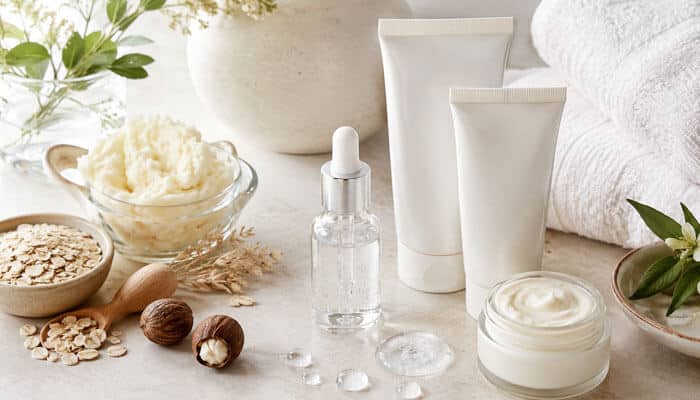
The best hand creams for dry skin commonly combine three main ingredient groups: humectants, emollients, and occlusives.
Humectants
Humectants attract and retain water in the outer layer of the skin.
Common examples include:
- Glycerin
- Hyaluronic acid
- Urea
- Panthenol
- Sorbitol
- Lactic acid
Glycerin is widely used because it can improve hydration without requiring an extremely oily formula.
Urea acts as both a moisturizer and a softening ingredient. It may be particularly useful for rough, thickened skin, but it can sting when applied to open fissures.
Emollients
Emollients fill spaces between dry surface cells, helping the skin feel smoother and more flexible.
Examples include:
- Ceramides
- Shea butter
- Squalane
- Fatty alcohols
- Avocado oil
- Sunflower oil
- Sesame oil
- Mineral oil
Ceramides are lipids naturally found within the skin barrier. Ceramide-containing creams can be useful when repeated washing or environmental exposure has left the hands dry and uncomfortable.
Occlusives
Occlusives form a protective surface layer that reduces water loss.
Examples include:
- Petrolatum
- Dimethicone
- Paraffin
- Mineral oil
- Lanolin
- Waxes
Petrolatum-based ointments provide strong moisture sealing but may feel greasy. Dimethicone generally creates a lighter protective barrier that is easier to tolerate during the day.
Colloidal Oatmeal
Colloidal oatmeal is commonly used in products for dry, itchy, or eczema-prone skin. It can support moisture retention and help protect irritated skin.
The 15 Best Hand Creams for Dry Skin in 2026
1. CeraVe Therapeutic Hand Cream — Best Overall
CeraVe Therapeutic Hand Cream earns the top position because it offers a practical balance of hydration, barrier support and everyday usability.
Its formula includes three essential ceramides, hyaluronic acid, niacinamide and dimethicone. Ceramides help support the skin barrier, hyaluronic acid attracts moisture, niacinamide helps calm the appearance of irritated skin, and dimethicone creates a lightweight protective layer.
The cream is fragrance-free, fast-absorbing, and non-greasy. In some countries, a similar formula may be sold as CeraVe Reparative Hand Cream, so compare the ingredient list rather than relying only on the product name.
Best for: Everyday dryness, sensitive hands and frequent daytime application.
Key ingredients: Ceramides, hyaluronic acid, niacinamide and dimethicone.
Why it stands out: Among the best hand creams for dry skin, this option provides several barrier-supporting ingredients without the heavy feel of an ointment.
Pros:
- Fragrance-free
- Contains three ceramides
- Includes hyaluronic acid and niacinamide
- Fast-absorbing texture
- Suitable for repeated daytime use
- Protective without feeling excessively greasy
Cons:
- May not be rich enough for deep fissures
- Product names and formulas may vary by market
How to use: Apply after washing, after sanitizer has dried and whenever the hands begin to feel tight.
2. O’Keeffe’s Working Hands — Best for Severely Cracked Working Hands
O’Keeffe’s Working Hands is designed for people whose hands are repeatedly exposed to manual work, cold weather, water or friction.
Its concentrated formula uses glycerin and protective emollients to improve moisture retention and leave a barrier-like finish. This makes it particularly useful for rough palms, fingertips and knuckles.
Only a small amount is usually needed. Applying too much may create a tacky or waxy sensation.
Best for: Mechanics, gardeners, cleaners, construction workers and people with heavily used hands.
Key ingredients: Glycerin and protective emollients.
Why it stands out: It provides a more substantial protective finish than many lightweight cosmetic creams.
Pros:
- Concentrated formula
- Protective finish
- Suitable for very rough skin
- Available in jar and tube formats
- A small amount covers both hands
Cons:
- Can feel waxy when overapplied
- May not suit people who prefer a silky finish
- Ingredient lists may differ by format and country
How to use: Start with a pea-sized amount and concentrate on the knuckles, fingertips and roughest areas.
3. Neutrogena Norwegian Formula Hand Cream — Best Concentrated Formula
Neutrogena Norwegian Formula is a long-standing option for people who want intensive hydration in a compact tube.
Glycerin is the main moisturizing ingredient. Some regional versions are promoted as containing a high percentage of glycerin, but percentages and formulas should be verified on the current package.
Its dense gel-cream texture means that very little product is needed per application.
Best for: Travel, winter and cold climates.
Key ingredient: Glycerin.
Why it stands out: The concentrated formula makes a small tube last longer than many standard creams.
Pros:
- Glycerin-rich formula
- Compact and travel-friendly
- Fragrance-free version available
- Suitable for winter dryness
- Economical per application
Cons:
- Can feel sticky when overapplied
- Scented and fragrance-free versions may look similar
- Formulas vary by region
How to use: Apply a small dab and massage it thoroughly before adding more.
4. Eucerin Advanced Repair Hand Cream — Best for Rough, Flaky Hands
Eucerin Advanced Repair Hand Cream combines Ceramide-3, natural moisturizing factors and an alpha hydroxy acid.
The ceramide and moisturizing factors support hydration, while the exfoliating ingredient helps smooth rough, flaky surface skin. This makes it more useful for texture and scaling than a basic hand lotion.
Because it contains an exfoliating acid, it may feel uncomfortable on bleeding or deeply cracked skin.
Best for: Flaky knuckles, rough texture and dry mature hands.
Key ingredients: Ceramide-3, natural moisturizing factors and alpha hydroxy acid.
Why it stands out: It combines moisture support with gentle surface smoothing.
Pros:
- Fragrance-free
- Contains Ceramide-3
- Helps smooth flaky texture
- Fast-absorbing finish
- Suitable for everyday use on intact skin
Cons:
- May sting open fissures
- Not the best first option during an active irritated flare
- Patch testing may be helpful for reactive skin
How to use: Apply to intact rough skin once or twice daily and increase use only when well tolerated.
5. La Roche-Posay Cicaplast Hands — Best for Frequent Handwashing
La Roche-Posay Cicaplast Hands is designed for hands exposed to frequent washing, cold weather or workplace irritants.
The formula contains glycerin, niacinamide, and shea butter. Glycerin provides hydration, shea butter softens the skin and niacinamide supports the skin barrier.
It offers a more protective feel than a lightweight lotion without the heavy greasiness of a petrolatum ointment.
Best for: Healthcare workers, cooks, parents and frequent handwashers.
Key ingredients: Glycerin, niacinamide and shea butter.
Why it stands out: It balances barrier protection with a practical daytime texture.
Pros:
- Contains glycerin and niacinamide
- Includes shea butter
- Designed for frequently washed hands
- Non-greasy finish
- Suitable for sensitive dry skin
Cons:
- More expensive than many drugstore creams
- Tube size may feel small for frequent users
- Regional labels should still be checked
How to use: Apply after washing, sanitizing or removing protective gloves.
6. Aveeno Skin Relief Intense Moisture Hand Cream — Best for Sensitive Dry Hands
Aveeno Skin Relief Intense Moisture Hand Cream is a rich option formulated around an oat-based moisturizing complex.
The fragrance-free formula is intended for very dry and sensitive hands. Oat-based products may be useful when the skin feels tight, rough or uncomfortable after repeated washing.
People with a known oat allergy should choose another product.
Best for: Sensitive hands, winter dryness and frequent washing.
Key ingredients: Oat complex and glycerin.
Why it stands out: It combines a comforting cream texture with an oat-based formula.
Pros:
- Fragrance-free
- Rich, soothing texture
- Suitable for sensitive dry hands
- Convenient tube packaging
- Useful during cold weather
Cons:
- May feel heavy in humid climates
- Not suitable for people with a known oat allergy
- Product naming may vary between countries
How to use: Massage a small amount into slightly damp hands after washing.
7. Gold Bond Healing Hand Cream — Best Non-Greasy Drugstore Option
Gold Bond Healing Hand Cream is intended for people who need regular hydration without an ointment-like finish.
The formula creates a lightweight protective layer and is convenient for repeated daytime use. Because product lines and formulas vary, fragrance-sensitive users should check the current ingredient list.
Best for: Mild to moderate daytime dryness.
Key ingredients: Aloe and multiple moisturizing agents.
Why it stands out: Its practical texture makes it easy to keep near a desk, sink or workspace.
Pros:
- Non-greasy finish
- Convenient for frequent use
- Widely available in several markets
- Suitable for daytime activities
- More affordable than many premium creams
Cons:
- Fragrance status may vary
- May be too light for deep cracks
- Packaging and product variants can be confusing
How to use: Apply after each wash or whenever the hands begin to feel tight.
8. Aquaphor Healing Ointment — Best Overnight Treatment
Aquaphor Healing Ointment is not technically a hand cream, but its strong occlusive properties make it useful for intensely dry knuckles, fingertips and cuticles.
The ointment contains a high concentration of petrolatum together with glycerin and panthenol. Its protective texture reduces moisture loss but may be too greasy for typing, driving or handling objects during the day.
Best for: Overnight care, cracked knuckles and targeted dry areas.
Key ingredients: Petrolatum, glycerin and panthenol.
Why it stands out: It provides stronger moisture sealing than most standard creams.
Pros:
- Strong occlusive protection
- Fragrance-free
- Useful for cuticles and fingertips
- Multipurpose formula
- Effective for targeted overnight use
Cons:
- Very greasy
- Can transfer to clothing or bedding
- Contains lanolin alcohol, which may not suit everyone
How to use: Apply hand cream first, then seal the driest areas with a thin ointment layer before bed.
9. Vanicream Moisturizing Cream — Best for Fragrance-Sensitive Skin
Vanicream Moisturizing Cream is a face-and-body moisturizer that can also be used on dry hands.
The formula is made without fragrance, masking fragrance, dyes, botanical extracts or essential oils. Its minimalist positioning makes it useful for people who want to avoid common cosmetic extras.
Best for: Fragrance-sensitive, reactive or eczema-prone hands.
Key ingredients: Petrolatum, sorbitol and emollients.
Why it stands out: It offers a relatively simple formula for people who react to heavily fragranced products.
Pros:
- Fragrance-free
- No masking fragrance
- No botanical extracts or essential oils
- Available in large pump containers
- Suitable for hands and body
- Rich without being an ointment
Cons:
- Large packaging is not travel-friendly
- Not specifically packaged as a hand treatment
- No moisturizer can be guaranteed allergy-proof
How to use: Keep the pump container near a sink and transfer a small amount into a travel pot when needed.
10. Eucerin UreaRepair Plus 5% Urea Hand Cream — Best for Rough, Thickened Skin
Eucerin UreaRepair Plus combines 5% urea, natural moisturizing factors and Ceramide-3.
Urea helps attract water and soften thick, rough surface skin. This makes the formula particularly useful for scaling, rough knuckles and mature hands.
It is better suited to intact rough skin than to fresh, open or bleeding fissures.
Best for: Rough knuckles, scaling and thickened dry skin.
Key ingredients: 5% urea, Ceramide-3 and natural moisturizing factors.
Why it stands out: The urea provides a softening benefit beyond basic moisturization.
Pros:
- Contains 5% urea
- Fragrance-free
- Includes Ceramide-3
- Fast-absorbing finish
- Useful for rough texture
Cons:
- May sting open cracks
- Can be difficult to find in some regions
- Not ideal for severely inflamed skin
How to use: Apply to intact rough areas and stop using it if persistent burning or irritation occurs.
11. Bioderma Atoderm Hands & Nails — Best for Hands, Nails and Cuticles
Bioderma Atoderm Hands & Nails is designed for people who want one product for dry hands, nail folds and cuticles.
The cream leaves a protective film without feeling excessively sticky. It is a convenient option for people whose dryness extends beyond the hands to the surrounding nail area.
Best for: Dry hands, cuticles and brittle-looking nails.
Key ingredients: Humectants and barrier-supporting emollients.
Why it stands out: It targets both hand dryness and cuticle care.
Pros:
- Suitable for hands and cuticles
- Fast-absorbing texture
- Relatively non-greasy finish
- Compact packaging
- Designed to leave a protective film
Cons:
- Availability varies by region
- Check the current label when avoiding fragrance
- Less occlusive than an overnight ointment
How to use: Massage the cream over the hands, knuckles, nail folds and cuticles.
12. L’Occitane Shea Butter Hand Cream — Best Luxury Hand Cream
L’Occitane Shea Butter Hand Cream is a rich formula made with 20% shea butter.
The cream is designed to nourish and soften dry hands while providing a premium texture and scent experience. It may be especially appealing during winter, but fragrance-sensitive users have more suitable choices elsewhere in this guide.
Best for: Luxury skincare, gifting and people who enjoy scented creams.
Key ingredient: 20% shea butter.
Why it stands out: Its high shea-butter content produces a rich and comforting texture.
Pros:
- Contains 20% shea butter
- Rich but spreadable
- Available in multiple sizes
- Suitable for dry cuticles
- Premium packaging
Cons:
- Expensive
- Contains fragrance
- Not ideal for reactive skin
- Botanical ingredients may not suit everyone
How to use: Massage a small amount into the hands after washing or before bed.
13. Kiehl’s Ultimate Strength Hand Salve — Best for Cold Weather
Kiehl’s Ultimate Strength Hand Salve has a rich, protective texture suited to cold air, wind and outdoor work.
Its formula includes ingredients such as shea butter, avocado oil and sesame oil. The salve-like texture creates a more substantial finish than a standard daytime lotion.
Best for: Winter, hiking, outdoor work and dry climates.
Key ingredients: Shea butter, avocado oil and sesame oil.
Why it stands out: It provides a protective finish for people who need more than a lightweight cream.
Pros:
- Rich salve texture
- Contains plant oils and shea butter
- Useful during cold weather
- Suitable for very dry hands
- Available in multiple sizes
Cons:
- Premium price
- May feel heavy in warm weather
- Aromatic formula may not suit fragrance-sensitive users
- May be excessive for mild dryness
How to use: Apply after outdoor exposure and again before bed.
14. Curél Extreme Dry Hand Relief — Best Affordable Fragrance-Free Option
Curél Extreme Dry Hand Relief is a lightweight, fragrance-free formula containing a ceramide complex.
Its practical consistency makes it convenient for repeated daytime use. It offers a useful middle ground between a thin lotion and a heavy ointment.
Best for: Budget-conscious shoppers and fragrance-sensitive users.
Key ingredients: Ceramide complex and vitamin E.
Why it stands out: It provides barrier-focused care at a relatively accessible price.
Pros:
- Fragrance-free
- Contains a ceramide complex
- Lightweight finish
- Affordable
- Suitable for regular daytime use
Cons:
- Limited availability in some countries
- May not be rich enough for bleeding fissures
- Stock can be inconsistent
How to use: Apply after washing and before activities involving water.
15. Dr. Jart+ Ceramidin Moisturizing Hand Cream — Best K-Beauty Option
Dr. Jart+ Ceramidin Moisturizing Hand Cream combines Ceramide NP, panthenol and glycerin.
The formula is designed to create a cushioning moisture layer without leaving the hands excessively sticky. It is a premium choice for people interested in ceramide-focused K-beauty products.
Best for: K-beauty users and people seeking a premium ceramide hand cream.
Key ingredients: Ceramide NP, panthenol, and glycerin.
Why it stands out: It combines barrier-supporting ingredients with a modern cosmetic texture.
Pros:
- Contains Ceramide NP
- Includes panthenol
- Contains glycerin
- Fast-absorbing finish
- Generous hand-cream size
Cons:
- Premium price
- Less widely available than drugstore options
- Check the current formula when avoiding fragrance
How to use: Apply during the day whenever the hands feel dry or tight.
How to Choose the Best Hand Creams for Dry Skin by Concern
Choosing from the best hand creams for dry skin becomes easier when you match the texture and ingredients to your specific concern.
| Skin Concern | Formula to Consider | Ingredients to Look For | What to Approach Carefully |
| Mild daytime dryness | Lightweight cream | Glycerin, dimethicone, ceramides | Thin lotions requiring constant reapplication |
| Deep dryness | Rich cream or balm | Shea butter, mineral oil, dimethicone | Strong fragrance |
| Cracked knuckles | Thick cream plus ointment | Petrolatum, glycerin, panthenol | Urea or acids on open fissures |
| Sensitive skin | Simple fragrance-free cream | Ceramides, petrolatum, colloidal oatmeal | Fragrance and essential oils |
| Rough, flaky texture | Softening cream | Urea, lactic acid, NMFs | Exfoliants on irritated skin |
| Frequent handwashing | Fast-absorbing barrier cream | Glycerin, dimethicone, niacinamide | Products too greasy to reapply |
| Overnight care | Ointment or salve | Petrolatum, mineral oil, waxes | Heavy products during daytime tasks |
| Dry cuticles | Hand-and-nail cream | Shea butter, glycerin, plant oils | Cutting or picking damaged cuticles |
| Cold-weather dryness | Rich protective salve | Shea butter, petrolatum, dimethicone | Lightweight lotion alone |
Hand Cream vs. Lotion vs. Ointment
- Hand Lotion
Lotions contain more water and spread easily. They may be suitable for mild dryness but often require frequent reapplication.
- Hand Cream
Creams contain a more balanced mixture of water and oils. They are usually the most practical option for everyday dry hands because they provide hydration without always feeling greasy.
- Hand Balm or Salve
Balms and salves are richer and often contain more oils, waxes or butters. They are useful for winter, outdoor work and severely rough areas.
- Ointment
Ointments contain the highest proportion of occlusive ingredients. They are effective at reducing water loss but may be inconvenient during the day.
For severe dryness or eczema-prone hands, fragrance-free creams or ointments are generally more useful than thin lotions.
Fragrance-Free vs. Unscented Hand Cream
“Fragrance-free” and “unscented” do not necessarily mean the same thing.
A fragrance-free product is generally made without ingredients added specifically to create a scent. An unscented product may still contain ingredients used to mask the natural smell of the formula.
People with fragrance allergies or contact dermatitis should:
- Read the complete ingredient list.
- Avoid relying only on front-label claims.
- Patch test a new product.
- Stop using a cream that causes persistent burning, itching or redness.
No cosmetic product can be guaranteed to be completely allergy-proof.
How to Apply the Best Hand Creams for Dry Skin Correctly
Even the best hand creams for dry skin may be less effective when they are applied too infrequently or at the wrong time.
Step 1: Wash With Lukewarm Water
Very hot water can increase dryness and discomfort.
Step 2: Use a Gentle Cleanser
Choose a mild cleanser whenever possible. Harsh or heavily fragranced soaps may worsen irritation.
Step 3: Pat the Hands Dry
Avoid rubbing the skin aggressively with a towel.
Step 4: Leave the Skin Slightly Damp
Applying cream while a small amount of water remains on the skin can help retain moisture.
Step 5: Cover the Entire Hand
Apply cream to:
- Palms
- Backs of the hands
- Knuckles
- Fingertips
- Spaces between the fingers
- Nail folds
- Cuticles
Step 6: Reapply Regularly
Reapply:
- After handwashing
- After sanitizer has dried
- After removing gloves
- After cleaning
- Whenever the skin feels tight
Step 7: Use a Richer Product at Night
Apply a cream first and then add a thin ointment layer to the driest areas.
A Simple Routine for Dry, Cracked Hands
Morning
- Wash with lukewarm water and a gentle cleanser.
- Pat the hands dry.
- Apply one of the best hand creams for dry skin that suits your sensitivity level.
- Apply broad-spectrum SPF 30 or higher to exposed hands.
During the Day
- Reapply hand cream after washing.
- Allow sanitizer to dry before moisturizing.
- Wear suitable gloves while cleaning or washing dishes.
- Remove wet gloves promptly.
- Use cotton liners if waterproof gloves trap sweat.
Evening
- Gently wash and dry the hands.
- Apply a rich hand cream.
- Seal cracked areas with a petrolatum-based ointment.
- Wear clean cotton gloves overnight when needed.
How to Protect Hands During Cleaning and Wet Work
People who regularly handle detergents, food, water or chemicals may need more than moisturizer.
Helpful measures include:
- Wear nitrile or vinyl gloves for wet work.
- Use cotton liners under waterproof gloves if sweating causes irritation.
- Replace gloves that become wet inside.
- Avoid wearing occlusive gloves longer than necessary.
- Apply hand cream after removing gloves.
- Use tools instead of bare hands when handling strong cleaning products.
- Follow workplace safety instructions for chemical exposure.
Protective gloves reduce direct exposure, but trapped sweat can also worsen irritation. The goal is to balance protection with keeping the skin dry and comfortable.
Dry Hands vs. Hand Eczema
Ordinary dry skin and hand eczema can look similar, but they may require different approaches.
Signs of Ordinary Dry Skin
- Tightness
- Mild flaking
- Rough texture
- Temporary discomfort
- Improvement with regular moisturizing
Possible Signs of Hand Eczema
- Persistent itching
- Inflamed or discolored patches
- Burning
- Deep, painful fissures
- Small itchy blisters
- Oozing or crusting
- Bleeding
- Symptoms that repeatedly return
- A rash that interferes with work or sleep
Hand cream can support the skin barrier, but persistent or severe symptoms may require professional diagnosis and treatment.
When Should You See a Dermatologist?
Seek medical advice when you have:
- Deep or bleeding cracks
- Severe pain
- Pus or crusting
- Increasing warmth or swelling
- Widespread blisters
- Persistent itching
- A rash that does not improve
- Symptoms that interrupt sleep
- Reactions linked to workplace products
- Suspected glove, fragrance or preservative allergy
- Dryness that continues despite consistent moisturizing
A moisturizer cannot diagnose or cure every cause of dermatitis.
Common Mistakes When Using Hand Cream
- Applying Cream Only Once a Day
Frequent washing removes moisturizer. Regular reapplication is usually more important than buying the most expensive product.
- Using Too Much Concentrated Cream
Concentrated formulas may feel sticky or waxy when overapplied. Start with a small amount.
- Waiting Too Long After Washing
Apply cream shortly after washing while the skin is still slightly damp.
- Choosing a Product Only for Its Scent
Fragrance does not improve barrier support and may irritate sensitive skin.
- Ignoring Formula Differences
Products sold under the same name may contain different ingredients in different countries.
- Applying Urea or Acids to Open Cracks
These ingredients can help rough texture but may sting actively damaged skin.
- Using Only a Lightweight Lotion for Severe Dryness
A thin lotion may not provide enough moisture sealing for cracked hands.
- Forgetting Sunscreen
Most hand creams do not provide tested UV protection. Apply broad-spectrum SPF 30 or higher to exposed hands.
- Wearing Wet Gloves
Moisture trapped inside gloves can aggravate irritated skin.
- Assuming Natural Ingredients Cannot Irritate
Essential oils, fragrances, and botanical extracts can still cause reactions.
Final Verdict: Best Hand Creams for Dry Skin
Among the best hand creams for dry skin, CeraVe Therapeutic Hand Cream is the best overall editorial choice for most readers because it combines ceramides, hyaluronic acid, niacinamide and dimethicone in a practical fragrance-free formula.
Choose O’Keeffe’s Working Hands when heavily used hands need a stronger protective finish. Select La Roche-Posay Cicaplast Hands for frequent handwashing and Aquaphor Healing Ointment for overnight moisture sealing.
For rough or thickened skin, Eucerin UreaRepair Plus 5% provides hydration and softening. People who avoid fragrance and cosmetic extras may prefer Vanicream Moisturizing Cream.
L’Occitane and Kiehl’s offer richer premium textures, but they may not be suitable for people with fragrance sensitivity.
Ultimately, the best hand creams for dry skin are products that match your skin concern, feel comfortable enough to use consistently, and do not cause irritation. Regular moisturizing, protection from detergents and early attention to persistent symptoms are more important than luxury packaging or price.
Best Hand Creams for Dry Skin FAQs
1. What are the best hand creams for dry skin?
The best hand creams for dry skin contain moisturizing and barrier-supporting ingredients such as glycerin, ceramides, petrolatum, dimethicone, hyaluronic acid or shea butter. CeraVe Therapeutic Hand Cream is a practical everyday option, while Aquaphor Healing Ointment is better suited to intensive overnight care.
2. Which hand cream is best for extremely dry and cracked hands?
For extremely dry and cracked hands, choose a thick fragrance-free cream, balm or ointment containing petrolatum, glycerin or dimethicone. O’Keeffe’s Working Hands provides a protective finish, while Aquaphor Healing Ointment helps seal in moisture overnight.
3. How often should I apply hand cream for dry skin?
Apply hand cream after every handwashing session, after hand sanitizer has completely dried and whenever your hands feel tight or rough. Regular application is especially important for people who frequently handle water, detergents or cleaning products.
4. What ingredients should I look for in the best hand creams for dry skin?
Look for glycerin and hyaluronic acid to attract moisture, ceramides and shea butter to soften the skin, and petrolatum or dimethicone to reduce moisture loss. Urea may help smooth rough skin but can sting when applied to open cracks.
5. Are fragrance-free hand creams better for sensitive skin?
Fragrance-free hand creams are generally a better choice for sensitive, reactive, or eczema-prone skin. Fragrance, essential oils and botanical extracts may cause irritation in some people, so always check the complete ingredient list before purchasing.
Disclaimer
This article provides general skincare information and is not a substitute for medical diagnosis or treatment. Consult a qualified healthcare professional for painful, bleeding, infected, severely inflamed, or persistently dry hands.
