

HomeHealthAm I Having a Heart Attack Female Quiz? Early Warning Signs in...

Am I Having a Heart Attack Female Quiz? Early Warning Signs in Women (2026)

- Advertisement -spot_img

Table of contents [show]

Am I having a heart attack female quiz searches have increased as more women try to recognize early warning signs before a medical emergency becomes severe. If you are experiencing chest discomfort, shortness of breath, nausea, unusual fatigue, anxiety, or pain in your arm, jaw, back, neck, or stomach, these symptoms should never be ignored.

Important medical warning: This am I having a heart attack female quiz is for educational awareness only and cannot diagnose a heart attack or other medical condition. Heart attack symptoms in women can sometimes be subtle and may include shortness of breath, nausea, back pain, jaw pain, dizziness, unusual tiredness, or indigestion-like discomfort with or without chest pain. If you think you may be having a heart attack, call emergency services immediately.

Women often experience heart attack symptoms differently from men, which is why recognizing female-specific warning signs early can be lifesaving.

Am I Having a Heart Attack Female Quiz?

If you are searching for an am I having a heart attack female quiz, you may need urgent medical attention if you experience any of these warning signs:

  • Chest pressure, tightness, squeezing, fullness, or pain
  • Pain spreading to the arm, shoulder, back, neck, jaw, or upper stomach
  • Shortness of breath or difficulty breathing
  • Cold sweat or clammy skin
  • Nausea or vomiting
  • Dizziness, fainting, or lightheadedness
  • Sudden unusual fatigue or weakness
  • A strong feeling that something is seriously wrong

Heart attack symptoms in women may last several minutes, disappear and return, or gradually become worse over time. Some women experience symptoms during rest, emotional stress, sleep, or light physical activity.

According to the American Heart Association, most heart attacks involve chest discomfort lasting more than a few minutes or symptoms that go away and come back. Other common warning signs include upper-body discomfort, shortness of breath, cold sweat, nausea, and lightheadedness.

Call Emergency Services Now If You Have These Symptoms

If your am I having a heart attack female quiz symptoms include chest discomfort lasting more than a few minutes or symptoms that go away and return, call emergency services immediately. Warning signs may include pain or pressure in the chest, arm, shoulder, back, neck, jaw, or stomach, along with shortness of breath, cold sweat, nausea, dizziness, or lightheadedness.

The American Heart Association identifies these as major heart attack warning signs in women and advises seeking emergency medical help immediately instead of waiting for symptoms to improve.

Am I Having a Heart Attack Female Quiz? Check Your Symptoms

This am I having a heart attack female quiz can help you recognize possible warning signs commonly linked to heart attacks in women. Answer these questions honestly, but remember that this quiz is only for awareness and cannot replace professional medical evaluation.

Question Yes / No
Do you feel pressure, tightness, squeezing, fullness, or pain in the center of your chest?
Has the discomfort lasted more than a few minutes or returned after going away?
Do you have pain in your left arm, right arm, shoulder, back, neck, jaw, or upper stomach?
Are you short of breath, even while resting?
Are you sweating suddenly or feeling clammy?
Do you feel nauseous, like you may vomit, or like you have bad indigestion?
Do you feel dizzy, faint, weak, or unusually tired?
Do you feel anxious, panicked, or like something is seriously wrong?
Do you have risk factors such as high blood pressure, diabetes, smoking, obesity, high cholesterol, pregnancy complications, or family history of heart disease?

If you answer “yes” to several questions in this am I having a heart attack female quiz, especially chest discomfort, shortness of breath, dizziness, or pain spreading to the arm, jaw, back, or stomach, seek emergency medical help immediately.

Quiz Result: What Your Answers May Mean

Your answers in this am I having a heart attack female quiz may help identify possible warning signs of a heart attack in women. However, this quiz cannot diagnose a medical emergency. If symptoms feel severe, unusual, sudden, or frightening, seek emergency medical care immediately.

If You Answered “Yes” to Chest Pain or Shortness of Breath

Chest pressure, tightness, squeezing, or shortness of breath should always be treated seriously. These are among the most common heart attack symptoms in women. Call emergency services immediately and do not drive yourself to the hospital.

If You Answered “Yes” to Jaw, Back, Arm, or Stomach Pain

Women may experience heart attack discomfort outside the chest, including pain in the jaw, neck, shoulder, arm, upper back, or upper stomach. Some women also report nausea, sweating, dizziness, unusual fatigue, or indigestion-like discomfort instead of severe chest pain.

If You Answered “Yes” to Nausea, Fatigue, or Indigestion

Do not assume the symptoms are only caused by gas, stress, acidity, menopause, anxiety, or tiredness. In many women, heart attack symptoms may feel similar to heartburn, stomach upset, weakness, flu-like symptoms, or extreme fatigue before a medical emergency becomes more serious.

If You Answered “Yes” to Multiple Questions

If several symptoms in this am I having a heart attack female quiz apply to you, especially chest discomfort, breathing difficulty, dizziness, cold sweat, or pain spreading to the arm, jaw, back, or stomach, emergency medical evaluation is strongly recommended. Early treatment can reduce heart damage and improve survival.

Am I Having a Heart Attack Female Quiz: Symptoms Before a Heart Attack

Some women experience warning signs days, weeks, or even months before a major heart attack occurs. In many cases, these symptoms may appear mild, unusual, or easy to ignore. Common early warning signs can include unusual fatigue, sleep problems, shortness of breath, indigestion-like discomfort, anxiety, chest pressure, dizziness, or pain in the upper back, shoulder, neck, jaw, or stomach.

Many women mistakenly blame these symptoms on stress, anxiety, acidity, menopause, exhaustion, or everyday fatigue. However, sudden, unexplained, or worsening symptoms should never be ignored. If your am I having a heart attack female quiz symptoms feel new, severe, or different from normal, seek medical attention immediately.

Real-Life Female Heart Attack Symptom Examples

Some women describe heart attack symptoms as:

  • A heavy weight sitting on the chest
  • Burning chest pressure mistaken for acid reflux
  • Extreme exhaustion without physical activity
  • Sudden nausea or flu-like discomfort
  • Pain between the shoulder blades
  • Tightness spreading into the jaw or left arm
  • Feeling unable to catch a full breath

In many am I having a heart attack female quiz situations, symptoms may not feel dramatic at first, which is why early recognition is important.

Early Warning Signs of Heart Attack in Women
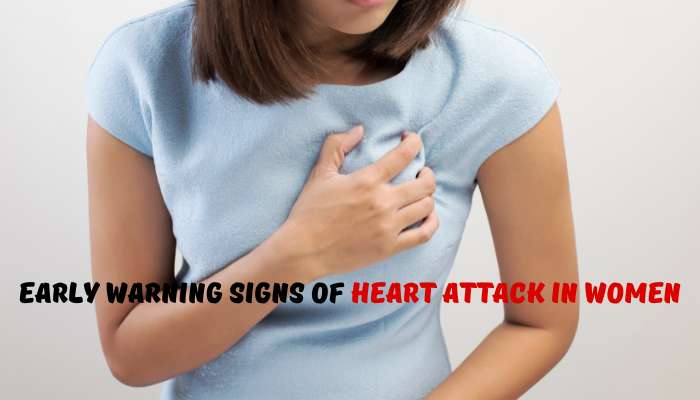
Understanding the early symptoms linked to an am I having a heart attack female quiz search can help women recognize possible warning signs before a medical emergency becomes severe. While chest pain or chest discomfort remains the most common heart attack symptom in women, many women also experience less obvious symptoms that are often mistaken for stress, anxiety, indigestion, menopause, or exhaustion.

Women are more likely than men to notice symptoms such as shortness of breath, nausea, vomiting, upset stomach, unusual fatigue, weakness, anxiety, shoulder pain, back pain, neck pain, jaw pain, or dizziness. Because symptoms may appear mild or unusual, many women delay seeking emergency care.

Woman experiencing chest discomfort in an am i having a heart attack female quiz awareness image about early heart attack symptoms in women.
This am i having a heart attack female quiz highlights common female heart attack symptoms including chest pain jaw pain dizziness and breathing difficulty

1. Chest Pressure or Tightness

Heart attack chest discomfort may feel like:

  • Pressure
  • Squeezing
  • Fullness
  • Burning
  • A heavy weight on the chest
  • Pain that comes and goes

The pain may not always feel sharp or severe. In many am I having a heart attack female quiz cases, women describe chest symptoms as uncomfortable pressure, heaviness, or tightness rather than intense pain.

2. Pain in the Jaw, Neck, Back, or Arm

Women may experience heart attack pain in unusual areas outside the chest. Pain or discomfort may spread to:

  • One or both arms
  • Left shoulder
  • Upper back
  • Neck
  • Jaw
  • Teeth
  • Upper stomach

These symptoms are commonly reported in women and may happen with or without chest pain.

3. Shortness of Breath

Shortness of breath can happen during activity, while resting, or even during sleep. It may occur with or without chest discomfort and is considered one of the most important warning signs in an am I having a heart attack female quiz evaluation.

4. Nausea, Vomiting, or Indigestion

Some women mistake heart attack symptoms for acidity, food poisoning, stomach flu, or digestive problems. Nausea, vomiting, heartburn-like discomfort, or upper stomach pain can sometimes be linked to heart-related problems.

5. Cold Sweat

Sudden sweating, clammy skin, or feeling cold and weak without a clear reason may be an important warning sign.

6. Unusual Fatigue

Extreme tiredness that feels sudden, severe, strange, or unexplained can be a female heart attack symptom. Some women notice unusual fatigue days or weeks before a heart attack occurs.

7. Dizziness or Lightheadedness

Feeling faint, dizzy, weak, unstable, or lightheaded can happen during a heart attack, especially when combined with chest discomfort, shortness of breath, nausea, or sweating.

Female Heart Attack Symptoms vs Anxiety

Many women searching for an am I having a heart attack female quiz are unsure whether their symptoms are caused by anxiety, panic attacks, stress, or a possible heart problem. This confusion is common because heart attack symptoms and anxiety symptoms can overlap in several ways.

Both anxiety and heart attacks may cause chest tightness, sweating, fast heartbeat, shortness of breath, nausea, dizziness, or feelings of fear and panic. However, it is extremely important not to self-diagnose when symptoms involve chest discomfort, breathing difficulty, or pain spreading through the upper body.

Symptom Could Be Anxiety Could Be Heart Attack
Chest tightness or chest discomfort Yes Yes
Shortness of breath Yes Yes
Sweating or clammy skin Yes Yes
Nausea or upset stomach Yes Yes
Jaw, arm, shoulder, or back pain Less common Yes
Chest pressure lasting several minutes Possible Yes
Symptoms during physical activity Sometimes Yes
New symptoms after age 40 Possible Higher concern
Cold sweat with chest discomfort Sometimes Common
Extreme unusual fatigue Less common Common in women

Anxiety symptoms may improve after calming down or reducing stress, while heart attack symptoms often continue, worsen, or return repeatedly. In many am I having a heart attack female quiz situations, women may mistake heart-related symptoms for panic attacks, stress, indigestion, or exhaustion.

If symptoms are new, severe, lasting, unusual, or accompanied by chest pressure, arm pain, jaw pain, shortness of breath, dizziness, or cold sweat, seek emergency medical help immediately.

Heart Attack vs Cardiac Arrest

Many women searching for an am I having a heart attack female quiz may confuse a heart attack with cardiac arrest because both are serious heart-related emergencies. However, they are different medical conditions with different symptoms, causes, and emergency responses. Understanding the difference can help you recognize warning signs faster and seek immediate medical care when needed.

Feature Heart Attack Cardiac Arrest
What happens? Blood flow to part of the heart becomes blocked The heart suddenly stops beating properly
Main cause Blocked or narrowed arteries Electrical problem in the heart
Is the person awake? Usually yes, at least initially Often unconscious suddenly
Common symptoms Chest pain, pressure, shortness of breath, nausea, jaw/back/arm pain Sudden collapse, no pulse, no normal breathing
Can symptoms develop slowly? Yes Usually happens suddenly
Is emergency treatment needed? Yes Yes, immediately
Can a heart attack cause it? Sometimes may lead to cardiac arrest Cardiac arrest can occur after a heart attack
What should you do? Call emergency services immediately Call emergency services and begin CPR if trained

Why Heart Attack Symptoms in Women Are Often Missed

Many women searching for an am I having a heart attack female quiz are surprised to learn that female heart attack symptoms may look very different from the “classic” chest-clutching symptoms often shown in movies or television. In many cases, women experience milder, unusual, or vague symptoms that are easier to dismiss or misunderstand.

Instead of severe chest pain, some women may notice symptoms such as unusual tiredness, nausea, indigestion-like discomfort, shortness of breath, dizziness, anxiety, upper back pain, shoulder pain, jaw pain, or weakness. These symptoms may happen gradually, appear during rest or sleep, or come and go over time.

Many women mistake these warning signs for stress, anxiety, menopause, exhaustion, muscle strain, acidity, or digestive problems. Because symptoms may seem less dramatic, women sometimes delay seeking emergency medical help during an am I having a heart attack female quiz situation.

Emotional stress, sleep problems, chronic fatigue, and hormonal changes may also make symptoms harder to recognize. This is one reason why understanding female-specific heart attack symptoms is extremely important for early treatment and survival.

Research has shown that women are more likely to experience non-classic heart attack symptoms, which may contribute to delayed diagnosis and delayed emergency treatment compared to men.

When Heart Attack Symptoms in Women May Feel Mild

Many women searching for an am I having a heart attack female quiz expect severe chest pain, but some heart attacks begin with mild or unusual symptoms. Symptoms may feel similar to exhaustion, anxiety, indigestion, acid reflux, menopause, muscle strain, flu symptoms, or emotional stress.

Because symptoms may appear less dramatic, women sometimes delay emergency treatment. Even mild symptoms should be taken seriously if they feel unusual, sudden, persistent, or combined with shortness of breath, dizziness, nausea, chest pressure, or pain spreading through the upper body.

Risk Factors for Heart Attack in Women

Understanding risk factors is an important part of any am I having a heart attack female quiz because some women may develop heart disease without realizing they are at higher risk. While certain risk factors affect both men and women, some conditions can impact women differently or increase heart attack risk more significantly in women.

Women may have a higher risk of heart disease related to menopause, pregnancy complications, gestational diabetes, preeclampsia, autoimmune disease, depression, chronic stress, and inflammatory conditions. Hormonal changes, emotional stress, and chronic health conditions may also affect heart health over time.

Common heart attack risk factors in women include:

  • High blood pressure
  • High cholesterol
  • Diabetes
  • Smoking history
  • Obesity or excess weight
  • Family history of heart disease
  • Physical inactivity
  • Chronic stress or anxiety
  • Menopause
  • Pregnancy-related high blood pressure
  • History of preeclampsia
  • Autoimmune disease
  • Poor sleep or sleep disorders
  • Unhealthy diet
  • Excess alcohol use
  • Chronic inflammation
  • Long-term emotional stress

Many women searching for an am I having a heart attack female quiz may not realize that multiple risk factors together can significantly increase the chance of heart disease or heart attack symptoms later in life. Regular health checkups, healthy lifestyle habits, and early treatment of medical conditions can help lower long-term heart risks.

Women Who May Have Higher Heart Attack Risk

Certain groups of women may have a higher chance of developing heart disease or heart attack symptoms, including:

  • Women over age 40
  • Smokers or former smokers
  • Women with diabetes or high blood pressure
  • Women with obesity or high cholesterol
  • Women with autoimmune disease
  • Women with pregnancy complications or preeclampsia history
  • Women experiencing chronic stress or depression
  • Women with family history of early heart disease

Understanding these risks can help women take symptoms seriously during an am I having a heart attack female quiz concern.

Heart Attack Symptoms in Younger Women

Many people assume heart attacks only happen to older adults, but younger women can also experience serious heart-related symptoms. Women under 40 may still face heart attack risks, especially if they smoke, have diabetes, high blood pressure, obesity, high cholesterol, autoimmune disease, pregnancy complications, chronic stress, or a family history of early heart disease.

In some am I having a heart attack female quiz situations, younger women may ignore symptoms because they believe they are “too young” to have heart problems. However, chest pressure, shortness of breath, dizziness, nausea, unusual fatigue, jaw pain, back pain, or arm pain should never be ignored regardless of age.

Even healthy-looking women can develop heart-related emergencies, particularly when multiple risk factors are present. Early medical evaluation can help prevent serious complications and improve recovery outcomes.

Silent Heart Attack in Women

A silent heart attack happens when symptoms are mild, unusual, or not immediately recognized as heart-related. Unlike the dramatic chest pain often shown in movies, silent heart attacks may cause symptoms that feel similar to stress, exhaustion, indigestion, anxiety, muscle pain, or flu-like illness.

Some women may experience mild chest discomfort, unusual fatigue, nausea, dizziness, shortness of breath, upper back pain, jaw pain, or stomach discomfort without realizing these symptoms may be heart-related. Because symptoms can appear subtle, many am I having a heart attack female quiz searches happen after symptoms have already been ignored for hours, days, or even weeks.

Silent heart attacks can still damage the heart and should always be taken seriously. Medical evaluation is important even when symptoms seem mild or confusing.

What to Do If You Think You Are Having a Heart Attack

If your am I having a heart attack female quiz answers suggest possible warning signs, treat the situation seriously and seek emergency medical help immediately.

Important Steps to Follow

  • Call emergency services immediately
  • Do not drive yourself to the hospital
  • Sit or lie down while waiting for help
  • Stay as calm as possible
  • Avoid eating or drinking heavily
  • Tell emergency responders your symptoms clearly
  • Mention your medications, allergies, and heart disease risk factors

The American Heart Association advises calling emergency services right away if heart attack warning signs appear. Quick medical treatment can reduce heart damage and improve survival chances.

What to Tell Emergency Responders

If your am I having a heart attack female quiz symptoms suggest a possible medical emergency, giving clear information to emergency responders can help speed up treatment and improve care.

Tell emergency responders:

  • When your symptoms started
  • Where the pain, pressure, or discomfort is located
  • Whether the pain spreads to your arm, shoulder, jaw, neck, back, or stomach
  • If you have shortness of breath, nausea, dizziness, sweating, or unusual fatigue
  • What medicines you currently take
  • Whether you have diabetes, high blood pressure, high cholesterol, pregnancy-related complications, or other heart disease risk factors
  • If you have a family history of heart disease or previous heart-related problems

Providing accurate information during an am I having a heart attack female quiz emergency situation may help doctors identify heart-related problems faster.

What Not to Do During a Possible Heart Attack

Many women delay treatment because symptoms seem mild, confusing, or similar to anxiety, indigestion, exhaustion, or stress. However, delaying emergency care can increase the risk of serious heart damage.

Avoid These Mistakes

  • Do not drive yourself to the hospital
  • Do not ignore symptoms because they feel mild or temporary
  • Do not wait to see if the pain disappears on its own
  • Do not assume the symptoms are only caused by gas, anxiety, acidity, menopause, or tiredness
  • Do not continue exercising or physical activity during symptoms
  • Do not rely on online symptom checkers alone for diagnosis

In many am I having a heart attack female quiz cases, emergency testing such as ECGs, blood tests, and medical evaluation are the safest ways to determine whether symptoms are heart-related.

When to Seek Emergency Help Immediately

If your am I having a heart attack female quiz symptoms include any of the following warning signs, call emergency services immediately instead of waiting for symptoms to improve:

  • Chest pressure, squeezing, fullness, tightness, or pain
  • Shortness of breath or difficulty breathing
  • Pain spreading to the arm, shoulder, jaw, neck, back, or stomach
  • Cold sweat or clammy skin
  • Nausea or vomiting
  • Dizziness, fainting, or lightheadedness
  • Sudden weakness or unusual fatigue
  • Symptoms lasting more than a few minutes
  • Symptoms that disappear and return repeatedly

Many women delay emergency treatment because symptoms may feel mild, confusing, or different from the “classic” heart attack symptoms shown in movies. However, acting quickly during an am I having a heart attack female quiz situation can reduce heart damage and improve survival chances.

What Doctors May Check at the Hospital

If doctors suspect a heart attack, they may perform several emergency tests to evaluate your heart, blood flow, and overall condition.

Common Medical Tests May Include:

  • ECG or EKG to check heart rhythm and electrical activity
  • Blood tests to detect heart muscle damage
  • Blood pressure and heart rate monitoring
  • Oxygen level testing
  • Chest X-ray
  • Echocardiogram to examine heart function
  • CT scan or coronary angiography if needed

Doctors may also ask about your symptoms, medical history, medications, family history, and risk factors during an am I having a heart attack female quiz emergency evaluation.

Getting tested quickly can help doctors reduce heart damage, prevent complications, and begin lifesaving treatment sooner.

How to Lower Heart Attack Risk in Women

Lowering long-term heart disease risk is an important part of preventing future symptoms related to an am I having a heart attack female quiz search. Healthy lifestyle choices and regular medical care can significantly reduce the risk of heart attacks in women.

Ways to Protect Your Heart Health

  • Manage high blood pressure properly
  • Control cholesterol levels
  • Treat diabetes carefully
  • Avoid smoking and tobacco products
  • Exercise regularly
  • Eat more fruits, vegetables, whole grains, and lean proteins
  • Reduce processed foods, excess sugar, and unhealthy fats
  • Manage chronic stress and anxiety
  • Get enough sleep each night
  • Maintain a healthy body weight
  • Limit excessive alcohol use
  • Attend regular medical checkups and heart screenings

Women with multiple risk factors should speak with a healthcare professional about heart health, especially if they experience chest discomfort, shortness of breath, dizziness, unusual fatigue, or recurring symptoms connected to an am I having a heart attack female quiz concern.

Heart attack symptoms can vary significantly between individuals, and some women may experience only mild or unusual symptoms, which is why emergency medical evaluation is always safer than self-diagnosis.

Conclusion

The am I having a heart attack female quiz can help women recognize possible warning signs of a heart attack, but it should never replace professional emergency medical care. Heart attack symptoms in women are not always obvious and may include chest pressure, shortness of breath, nausea, dizziness, sweating, unusual fatigue, back pain, jaw pain, arm pain, stomach discomfort, anxiety, or weakness.

Many women delay treatment because symptoms may seem mild, confusing, or similar to stress, indigestion, menopause, or panic attacks. However, recognizing symptoms early during an am I having a heart attack female quiz situation can help prevent serious complications and improve survival chances.

If your symptoms feel sudden, severe, unusual, or frightening, do not wait for them to disappear. Call emergency services immediately and seek medical attention as quickly as possible. Fast treatment can reduce heart damage and save lives.

FAQs About the Am I Having a Heart Attack Female Quiz

1. Can the am I having a heart attack female quiz detect silent heart attacks?

No. The am I having a heart attack female quiz only helps identify possible warning signs and cannot diagnose silent heart attacks or medical emergencies.

2. Is jaw pain common in an am I having a heart attack female quiz result?

Yes. Jaw pain, neck pain, shoulder pain, and upper back pain are common heart attack symptoms reported by women.

3. Can anxiety feel similar to an am I having a heart attack female quiz symptom?

Yes. Anxiety and heart attack symptoms can overlap, but chest pressure, breathing difficulty, or pain spreading through the upper body should never be ignored.

4. Should younger women take the am I having a heart attack female quiz seriously?

Yes. Women under 40 can still experience heart attacks, especially with risk factors like smoking, diabetes, obesity, or family history.

5. Can heart attack symptoms in women come and go?

Yes. Some symptoms may disappear and return repeatedly before becoming more severe.

6. Does unusual fatigue matter in an am I having a heart attack female quiz?

Yes. Sudden or unexplained fatigue is one of the most commonly missed heart attack symptoms in women.

7. Can indigestion be mistaken for heart attack symptoms?

Yes. Some women experience nausea, stomach discomfort, or heartburn-like symptoms during a heart attack.

8. When should I seek emergency care after an am I having a heart attack female quiz?

Seek emergency medical help immediately if symptoms include chest pressure, shortness of breath, dizziness, arm pain, jaw pain, or cold sweat.

author avatar
Sonia Shaik
Soniya is an SEO specialist, writer, and content strategist who specializes in keyword research, content strategy, on-page SEO, and organic traffic growth. She is passionate about creating high-value, search-optimized content that improves visibility, builds authority, and helps brands grow sustainably online. She enjoys turning complex SEO concepts into clear, actionable insights that businesses and creators can actually use to grow. Through her work, Soniya focuses on helping brands strengthen their digital presence, rank higher in search engines, and build long-term organic growth strategies—while continuously exploring how content, storytelling, and strategy can drive meaningful online success.

Must Read

- Advertisement -Samli Drones

Recent Published Startup Stories