


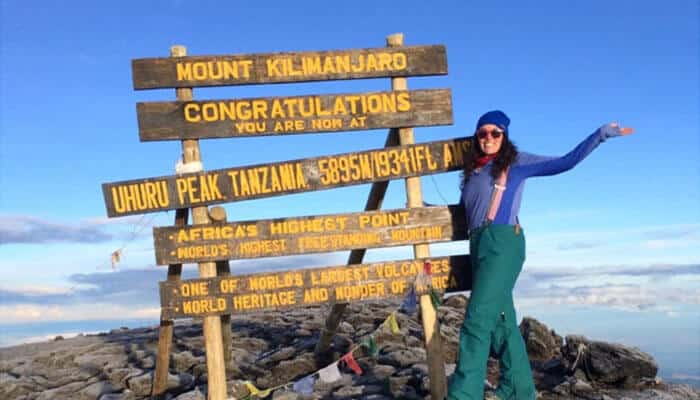

Climbing an African giant like Mount Kilimanjaro is a bucket-list adventure, but the biggest obstacle isn’t the terrain; it’s the altitude. At 5,895 meters (19,341 feet), Kilimanjaro is high enough that most climbers will feel some effect of thin air, and a percentage will develop genuine altitude sickness. Many trekkers turn to altitude sickness medication, proper route planning, and pacing to manage the risk. Understanding your options before you go is the difference between summiting comfortably and turning back early.
What Is Altitude Sickness?
As you climb higher, air pressure drops and less oxygen reaches your bloodstream. Acute Mountain Sickness (AMS) is the body’s reaction to this sudden change, typically appearing above 2,500–3,000 meters. Common symptoms include headache, nausea, dizziness, fatigue, and disrupted sleep. In more serious cases, AMS can progress to High Altitude Pulmonary Edema (HAPE) or High-Altitude Cerebral Edema (HACE), both medical emergencies that require immediate descent.
Why Kilimanjaro Is a Special Case
Unlike the Himalayas, Kilimanjaro can be climbed in under a week, which means trekkers gain altitude fast relative to their acclimatization time. This is exactly why route choice matters so much. Longer routes, such as the 7–8day Lemosho or Northern Circuit, give the body more time to adjust and consistently show higher summit success rates than shorter 5-day routes.
Altitude Sickness Medication: What to Know
Many climbers ask their doctor about preventive medication for altitude sickness before a Kilimanjaro trip. The most commonly prescribed option is acetazolamide (brand name Diamox), which helps the body acclimatize faster by speeding up a natural adjustment in blood chemistry that improves oxygen delivery at altitude. Some climbers also carry over-the-counter pain relievers like ibuprofen for altitude-related headaches, and anti-nausea medication for milder AMS symptoms.
A few important notes:
- This is general information, not medical advice: Dosing, timing, and suitability depend on your health history, and only a doctor or travel medicine clinic can advise you properly.
- Medication is a supplement to acclimatization, not a replacement for it: Even climbers taking preventive medication should still choose a longer route and pace themselves — Diamox reduces risk, but it doesn’t eliminate it.
- Some people experience side effects: (such as tingling in the fingers/toes or increased urination), so it’s worth discussing tolerance during a pre-trip appointment rather than trying it for the first time on the mountain.
- HAPE and HACE require immediate descent: not medication — no drug is a substitute for getting to lower altitude if severe symptoms appear.
Book a consultation with a travel medicine doctor 4–6 weeks before departure so there’s time to discuss options and, if needed, trial the medication in advance.
Reducing Your Risk
- Choose a longer itinerary: More days on the mountain means better acclimatization. • Climb high, sleep low. Reputable routes are designed with acclimatization hikes that follow this principle.
- Hydrate consistently: and avoid alcohol during the trek.
- Go slow (“pole pole”): Guides on Kilimanjaro repeat this Swahili phrase for good reason, pacing matters more than fitness.
- Travel with trained guides: who carry pulse oximeters and know when to make the call to descend. Safari Soles provides trekking gear for climbers, including oximeters, so you don’t need to source your own before the trip. A packing list is readily available for you to refer to when deciding what to pack for your Kilimanjaro climb.
- Talk to your doctor: about whether preventive medication is appropriate for you.
The Bottom Line
Altitude sickness isn’t a sign of weakness; even elite athletes get it. What separates a successful summit from a frustrating retreat is preparation, a sensible route, and an experienced operator who prioritizes safety over speed. A well-planned, gradually paced climb dramatically improves your odds of reaching Uhuru Peak feeling strong rather than surviving the ascent.
When climbing Kilimanjaro, it helps to know where you stand before you go. Safari Soles’ Kilimanjaro success rate calculator can give you a sense of your odds based on route and fitness level, though summiting is never guaranteed; the results are just an estimate based on the information you provide. Thus, you must be sure about your capabilities. From there, talk to a sales representative about which itinerary and acclimatization schedule fits your timeline.
