


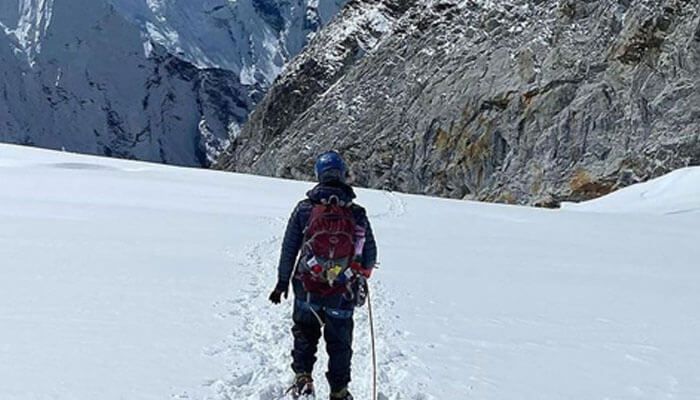

At 17,598 feet, Everest Base Camp is higher than most places you have ever visited in your daily life. This Altitude Guide explains what altitude means in practical terms, which elevations matter, how acclimatization works, and why a fast ascent can turn a dream trip into an emergency. Whether you’re planning your first Himalayan adventure or preparing for Everest Base Camp, understanding altitude is essential for a safe and successful trek.
Altitude is the defining difficulty on most Everest-region itineraries. The trails are often manageable for fit hikers, but your body needs time to adapt as oxygen level drops. Good preparation improves your margin for safety, but it does not make you immune to altitude illness.
Everest Altitude at a Glance
Most Everest trips begin with a flight to Lukla at 9,334 feet. From there, trekking routes gain altitude gradually through Namche Bazaar at 11,286 feet, Tengboche at 12,664 feet, Dingboche at 14,469 feet and Lobuche at 16,207 feet.
Everest Base Camp sits at 17,598 feet. Many trekkers also climb Kala Patthar, a viewpoint at about 18,519 feet, for the classic view of Everest. The Gokyo route reaches similar elevations: Gokyo is around 15,580 feet, while Gokyo Ri rises to approximately 17,575 feet.
An Everest expedition is a different undertaking entirely. Climbers progress from Base Camp through the Khumbu Icefall and high camps before reaching Everest’s 29,032-foot summit. It requires extensive technical experience, a long acclimatization rotation schedule, specialized equipment and expedition level support.
For climbers looking to progress beyond trekking but before attempting full scale expeditions, Island Peak Climbing and Climbing Mera Peak provide valuable high altitude mountaineering experience combining acclimatization, glacier travel and summit skills.
How Acclimatization Should Shape Your Itinerary
Above 9,800 feet, the body gradually adapts by increasing breathing rate and producing more red blood cells. That process takes days, not willpower. A sensible Everest Base Camp itinerary usually allows 12 to 14 days from Lukla to Lukla, including acclimatization days in Namche Bazaar and Dingboche.
The Everest Base Camp Trek with Helicopter Fly Out follows the same gradual ascent and acclimatization principles as a classic trek, with the added benefit of reducing the return journey through a scenic helicopter flight after reaching the high-altitude areas.
A common planning guideline is to limit increases in sleeping elevation to roughly 1,000 to 1,600 feet per day once above 9,800 feet, with a rest or acclimatization day after every 3,000 feet gained. Actual terrain, weather, and individual symptoms may require a slower schedule.
“Climb high, sleep low” is useful when your itinerary permits it. For example, a day hike above Namche before returning to sleep in Namche can help your body adjust. A rest day should not mean staying in bed all day. Light walking, hydration, regular meals, and avoiding alcohol are usually more productive.
Fitness helps you walk efficiently but it does not prevent altitude sickness. Marathon runners and first-time trekkers can develop symptoms at the same elevation. Your ascent profile, prior acclimatization, hydration, illness, and individual physiology all matter.
Recognizing Altitude Illness on Everest Routes
Mild acute mountain sickness, or AMS, commonly begins with headache, poor sleep, fatigue, nausea, dizziness, or loss of appetite. A headache after a long trekking day is not automatically AMS, but it should be taken seriously when paired with other symptoms or worsening condition.
The non-negotiable rule is simple: do not ascend with symptoms that are getting worse. Stop, rest, and assess. If symptoms do not improve descend with a companion and inform your guide or lodge staff.
Two severe forms of altitude illness (HACE and HAPE) demand immediate descent and urgent medical attention. High-altitude cerebral edema can cause confusion, loss of coordination, unusual behavior, or severe headache. High-altitude pulmonary edema may cause breathlessness at rest, persistent coughing, chest tightness and a wet or crackling sound while breathing. Supplemental oxygen and medications can support evacuation but descent is the primary treatment.
Diamox, also called acetazolamide, may be prescribed for prevention or treatment in appropriate situations. Discuss it with a qualified clinician before travel, especially if you have medication allergies or an existing medical condition. Still, it is not a substitute for a laid back itinerary.
Helicopter Tours: Short Flights, Real Altitude Exposure
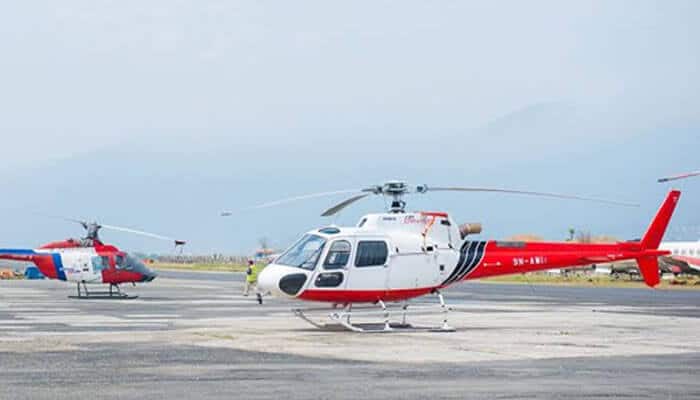
Everest helicopter tours are often marketed as an easy way to see the Himalaya, and they can be a practical option for travelers with limited time or limited trekking experience. But they bypass the gradual ascent that trekkers use to acclimatize.
The Everest Helicopter Tour is designed for travelers who want direct access to iconic Everest viewpoints without a multi-day trek but it still involves rapid exposure to extreme altitude and requires realistic expectations about weather and physical response.
A typical tour may land near Kala Patthar or fly over the Everest Base Camp area after departing Kathmandu, which sits at about 4,593 feet. That rapid move to elevations above 17,000 feet can cause headache, dizziness, breathlessness, or nausea within a short time, even in healthy passengers.
Landing time at high altitude is generally brief for this reason, as well as for operational and weather considerations. Follow the pilot and crew instructions, move slowly, stay warm, and be honest about symptoms. Do not rely on bottled oxygen to ignore signs that your body is struggling.
Choose the Everest Experience That Matches Your Time and Risk Tolerance
For most first-time Himalayan visitors, a properly paced trek offers the best balance of immersion, acclimatization, and realistic altitude management. If you want a shorter itinerary, consider a route that does not require sleeping at a high altitude, or add extra acclimatization days rather than compressing the schedule.
An Everest helicopter tour suits travelers who understand the limits of rapid high-altitude exposure and accept that landings are weather-dependent. Everest climbing belongs to experienced alpinists who can commit to a full expedition, not travelers looking for a harder version of a trek.
Your best Everest plan is the one that leaves room to slow down. Build flexibility into flights and trekking days, choose an itinerary with adequate acclimatization, and make descent a normal safety decision rather than a failure.
