


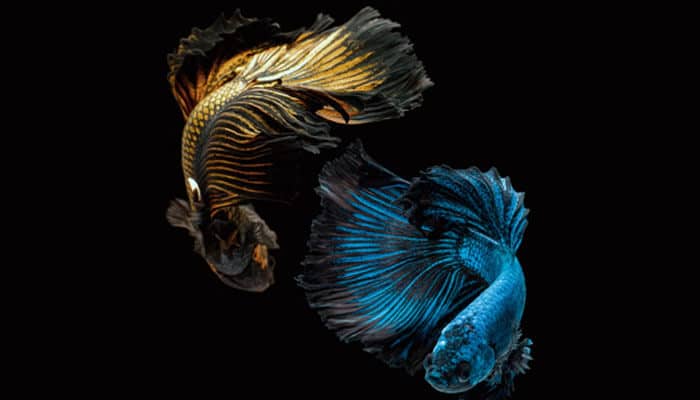

Male betta fish are well known among aquarium keepers for their striking colors, flowing fins, and distinctive personalities. Their graceful appearance can make a single fish an attractive feature in a home aquarium, yet their care involves more than choosing a tank and adding water. Male bettas have particular needs relating to water quality, temperature, food, shelter, and social interaction. Learning about these needs gives aquarium owners a clearer idea of how to create a healthy home for these small freshwater fish. Anyone who wants to identify the differences between male and female bettas can read the full comparison for further information.
Appearance of Male Betta Fish
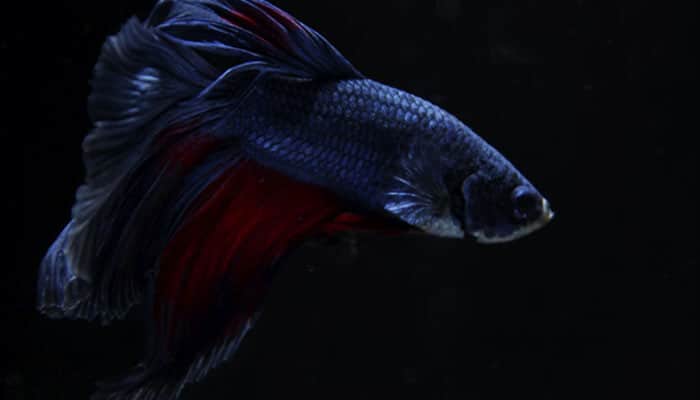
Male betta fish are often recognized by their long fins, strong color patterns, and flowing tails. Their fins may extend well beyond the body, creating a graceful appearance as the fish moves through the water. Depending on the variety, a male may display shades of red, blue, purple, turquoise, white, yellow, or combinations of several colors. Selective breeding has produced many fin shapes and color patterns, giving each fish a distinctive appearance. Female bettas often have shorter fins and a more compact appearance, making physical differences useful when identifying the sex of a fish. The long fins of males are not only decorative. They become more noticeable when a male flares his body during territorial displays or courtship.
Territorial Behavior
Male bettas are known for defending their space, particularly when another male enters the same area. A male may spread his fins, flare his gill covers, and display his body to make himself appear larger. This behavior is a natural part of the species and does not necessarily mean the fish is constantly aggressive. In a suitable aquarium, a male can spend much of his time swimming, resting, exploring plants, and investigating activity outside the tank. Bettas can respond to movement around their aquarium and may appear to recognize regular feeding routines. Their active behavior and individual responses are part of what makes them appealing pets for aquarium owners.
Food and Feeding Habits
A suitable diet plays a major role in keeping a male betta healthy. Bettas are primarily carnivorous. Aquarium diets can reflect these feeding habits through high-quality betta pellets designed around their nutritional needs. Small portions of frozen or live foods, such as brine shrimp, daphnia, and bloodworms, can provide variety when offered appropriately. Feeding should be controlled rather than based on how much food the fish appears willing to eat. Excess food can remain in the tank, affect water quality, and contribute to weight problems. Small meals given on a regular schedule are usually easier for the fish and the aquarium system to manage.
Setting Up the Aquarium
A male betta needs a clean, stable aquarium with enough room to swim and explore. A gentle water flow is preferable since strong currents can make swimming difficult for a fish with long fins. A filter with adjustable flow can help maintain cleaner water without creating excessive movement. Water temperature should usually remain around 75 to 80°F (24 to 27°C), with a reliable aquarium heater helping maintain stable conditions. Sudden temperature changes can place stress on the fish, so consistency matters. Plants, smooth decorations, and small shelters can provide places where the betta can rest or retreat. Sharp ornaments should be avoided since long fins can easily become caught or torn on rough surfaces.
Water Quality and Health
Clean water is closely linked with the health of a male betta. Regular partial water changes help control waste products such as ammonia and keep the aquarium environment suitable for the fish. Poor water conditions can contribute to several health problems, including fin damage and infections. Fin rot may appear as deteriorating, ragged, or discolored fin edges and can become more serious when poor water conditions continue. Another common problem is Ich, a parasitic disease often recognized by small white spots on the body or fins. Early attention can make treatment more manageable. Aquarium owners should watch for changes in appetite, swimming patterns, color, breathing, and general activity, since unusual behavior can signal that something in the environment or the fish’s health needs attention.
Breeding and Bubble Nests
Male bettas have an unusual role in caring for their young. During breeding, the male may create a bubble nest at the surface of the water. The nest consists of small bubbles held together by secretions from the fish and provides a place for fertilized eggs. During courtship, the male and female interact through displays before spawning takes place. After the eggs are released and fertilized, the male gathers them and places them within the bubble nest. He then guards the area and may return fallen eggs to the nest. The female is usually separated after spawning since the male may become territorial and attack her. Breeding requires careful preparation, close observation, and suitable conditions, so it is better suited to keepers who understand the process and have space for the young fish.
Color and Fin Varieties
There are many types of male bettas, with differences in tail shape, fin structure, and color. Veiltail bettas have long fins that flow downward, crown tail varieties have extended fin rays that create a pointed appearance, and halfmoon bettas are recognized by broad tails that can form a shape close to a semicircle when fully spread. Color patterns can range from single shades to combinations featuring contrasting patches, metallic effects, or pastel tones. Selective breeding has created a wide range of appearances, giving aquarium owners many choices when selecting a fish. The appearance of a betta can change slightly with age, health, lighting, and water conditions, so color alone does not always provide a complete picture of the fish’s condition.
Choosing Tank Mates
Male bettas require careful planning when they are housed with other aquatic animals. Another male should not be placed in the same aquarium, as territorial fights can cause severe injury. Some peaceful species may live with a male betta in a suitably sized aquarium, but compatibility varies between individual fish. Bottom-dwelling species can sometimes work better than fish that occupy the same swimming areas, provided they have compatible care requirements. Shrimp and small aquatic animals may be viewed as food by some bettas, so their safety cannot be assumed. A separate aquarium should be available if conflict develops. Careful observation after introducing any new tank mate can help identify signs of chasing, fin damage, or prolonged stress.
Conclusion
Male betta fish combine attractive colors, elaborate fins, and distinctive behavior in a relatively small freshwater pet. Their care becomes easier when owners provide stable warm water, suitable filtration, nutritious food, places to rest, and regular monitoring. Their territorial instincts mean that social arrangements need careful planning, particularly when other fish are involved. Breeding brings another side of their behavior to light, with males building bubble nests and guarding eggs after spawning. With suitable care and a well-maintained aquarium, a male betta can remain active and healthy while providing aquarium keepers with an engaging glimpse into the behavior of a remarkable freshwater species.
