


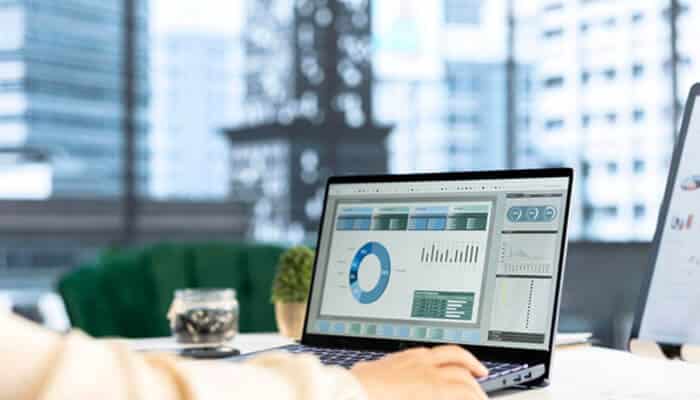

As a business grows, managing money becomes more complicated. A company may have several bank accounts, regular supplier payments, overseas transactions, employee expenses, and larger amounts of cash moving through its operations. Keeping track of everything through spreadsheets and basic banking tools can become difficult once transaction volumes increase.
A treasury management system can help businesses gain greater control over these activities. Depending on the platform, treasury tools may support cash visibility, payment management, liquidity planning, forecasting, foreign exchange, and other financial processes. Not every finance platform provides a complete treasury solution, so it is important to understand what each service is designed to handle, including Finmo’s treasury management system in Singapore.
Singapore businesses have access to a mixture of banks, accounting platforms, and financial technology providers. The following 10 brands offer services that can support different parts of business financial management.
1. Finmo
Finmo provides financial management and treasury capabilities designed for businesses managing cash and payments across different accounts, entities, and currencies. Its platform brings several financial processes together, helping companies gain a clearer view of their cash position.
For businesses dealing with local and cross-border payments, Finmo’s treasury management system in Singapore for real-time cash visibility and financial control can bring payment information and cash management tools together in the same environment, reducing the need to switch between multiple systems.
A treasury management system can be particularly useful when a company needs more visibility over liquidity and payment activity as it expands. Finmo’s platform is designed with this type of centralised financial management in mind, making it relevant to companies with increasingly complex treasury requirements.
2. DBS
DBS is one of Singapore’s major banks and offers a broad range of business banking and cash management services. Its digital banking tools allow businesses to manage accounts, payments, and other financial activities online.
For growing companies, the ability to monitor account balances and transactions in one banking environment can make everyday cash management easier. Larger businesses may also have access to more advanced transaction banking and treasury services.
As financial requirements become more complex, businesses can assess whether their existing banking arrangements provide enough visibility, control, and automation for their treasury activities.
3. UOB
UOB provides banking and financial services for businesses ranging from small enterprises to larger corporations. Its business banking offerings include payment services, cash management, and digital banking capabilities.
The bank’s UOB Infinity platform gives business customers access to account information and transaction management tools. This can help finance teams keep track of cash movements and manage payment activity more efficiently.
For companies expanding into new markets or handling greater transaction volumes, these capabilities can form part of a wider treasury framework alongside accounting, forecasting and financial reporting systems.
4. Singtel
Singtel is primarily a telecommunications company, although its wider digital ecosystem has included payment-related services such as Singtel Dash. These services are more relevant to everyday digital transactions than to corporate treasury management.
For businesses, digital payment platforms can still contribute to the overall flow of financial information. Transaction records can help companies understand how customers are paying and where money is moving.
However, a digital wallet should not be treated as a replacement for a dedicated treasury management system. Businesses with more complex liquidity, payment, or foreign exchange requirements generally need specialised financial tools.
5. Grab
Grab has developed from a transport and delivery platform into a broader digital ecosystem that includes financial services and payments. GrabPay allows participating businesses to accept digital payments from customers.
For merchants, electronic payment records can make it easier to track sales and incoming funds. This information may then be incorporated into broader financial reporting and cash management processes.
However, payment acceptance represents only one part of treasury management. Businesses that need detailed cash forecasting, liquidity planning, or control over multiple bank accounts will generally require additional financial software.
6. Shopee
Shopee plays an important role in Singapore’s e-commerce market and provides businesses with a platform for selling products online. For merchants, the platform generates transaction information that can be useful when monitoring revenue and customer payments.
Online businesses need to pay attention to more than their total sales figures. Settlement timing, refunds, platform fees, inventory purchases, and other costs all influence how much cash is actually available.
7. OCBC
OCBC offers business banking services covering payments, accounts, cash management, and financing. Its digital banking tools allow businesses to access financial information and manage transactions electronically.
This can be useful for companies that want better control over their day-to-day cash position. Finance teams can review account activity, monitor payments, and compare actual movements against expected cash requirements.
8. Xero
Xero is cloud-based accounting software used by businesses to manage financial records, invoices, expenses, reporting, and other accounting activities.
Although accounting software is not necessarily a complete treasury solution, it can provide important financial information for treasury planning. Accounts receivable, supplier bills,s and historical transactions can all help finance teams understand expected cash movements.
9. QuickBooks
QuickBooks provides accounting and financial management tools for businesses, including invoicing, expense tracking, and financial reporting.
Maintaining accurate accounting records is an important part of managing business liquidity. When invoices and expenses are recorded consistently, finance teams have a better basis for understanding what money is expected to come in and what needs to be paid.
10. Fave
Fave operates in the digital commerce and payment space, connecting consumers with participating businesses through its platform. For merchants, digital transactions and customer activity can provide useful information about sales and payment flows.
This can be relevant to financial management because businesses need reliable transaction records when reconciling their accounts and reviewing revenue.
When Does a Business Need Treasury Software?
A small business with one operating account and relatively straightforward finances may be able to manage its cash using accounting software and online banking. The need for more advanced treasury technology often becomes clearer as the business expands.
Multiple bank accounts are one example. A company may hold separate accounts for operating expenses, payroll, tax, ax or different business entities. International operations can add further complexity through foreign currencies, overseas suppliers, and cross-border customer payments.
Forecasting also becomes more important as financial commitments increase. Businesses need to know whether sufficient cash will be available for upcoming expenses rather than relying solely on the current account balance.
