


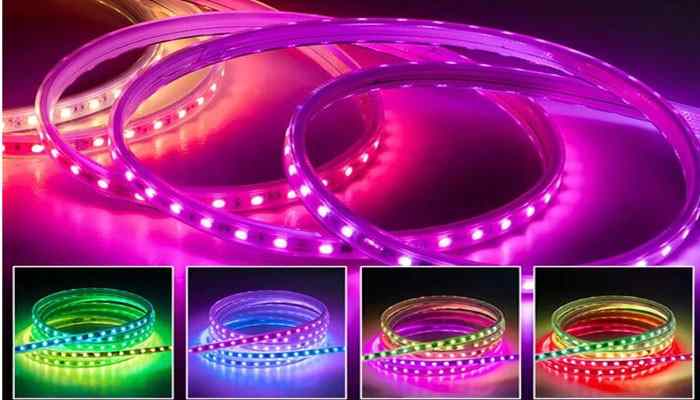

Custom LED strip lighting can be useful when a standard lighting product does not fully match the dimensions, brightness, color, or installation requirements of a project. Before ordering, it is important to understand the available LED technologies, voltage options, cutting specifications, protection ratings, and installation methods.
For projects requiring tailored specifications and larger quantities, working with an LED strip OEM manufacturer can provide access to different LED configurations and product options.
Start With the Application
The first step is to identify where the LED strip will be installed. Lighting used for furniture, signage, architectural features, retail displays, or outdoor areas may require different specifications.
Dekingled lists applications including cove lighting, architectural lighting, signage backlighting, edge lighting, DIY home lighting, path marking, decorative lighting, stores, shopping malls, corridors, staircases, furniture, and show windows.
Understanding the application helps determine the appropriate LED type and protection level.
Select the LED Technology
LED strips are available with different LED packages. Dekingled’s product range includes SMD5050, SMD3528, SMD2835, SMD3014, COB, RGB, and silicone neon lighting.
Each technology can provide different characteristics. For example, COB is designed for a smooth appearance, while RGB products are intended for color-changing applications.
COB for Uniform Illumination
COB technology can be considered when a project requires continuous-looking illumination without obvious individual LED points.
Dekingled describes its COB LED strips as providing uniform, dot-free illumination and also highlights easier maintenance and an aesthetically pleasing appearance.
This can make COB suitable for visible architectural features, recessed areas, furniture, and other installations where the appearance of the light source matters.
Consider Voltage Carefully
Voltage compatibility is essential when designing an LED system. Dekingled offers products designed for both 12V and 24V applications.
Its 5050-WW-300 product supports DC12V/DC24V input, while its 2835 product with 180 LEDs per meter operates at DC24V.
The company also explains that 24V COB strips have less voltage drop and can support longer runs, while 12V versions can experience greater voltage drop and progressive brightness loss over distance.
This should be considered when planning longer installations.
Choose the Appropriate LED Density
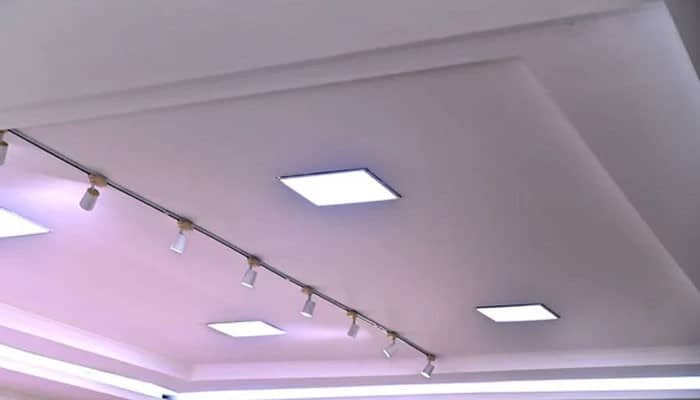
LED density is another important specification. Different projects may require different numbers of LEDs along each meter.
Dekingled’s 2835 strip provides 180 LEDs per meter and 900 LEDs per 5-meter reel, while its 3014 strip provides 240 LEDs per meter and 1,200 LEDs per 5-meter reel.
Comparing density can help designers select a product that provides the desired distribution of illumination.
Cutting Requirements
Custom installations frequently require LED strips to be cut into specific lengths. However, every product has its own designated cutting interval.
Dekingled’s 5050-WW-300 strip can be cut by 3 LEDs at DC12V or 6 LEDs at DC24V. The product also uses 3M adhesive, has copper or white PCB options, and measures 5000 × 10mm.
Installers should follow the specified cutting points to maintain the intended electrical configuration.
Consider Protection Ratings
The installation environment should also influence product selection. Indoor applications may require different protection from outdoor or moisture-exposed projects.
Dekingled offers products with IP65 and IP68 protection options. Its 2010 Silicone Neon Light has an IP65 rating, while its IP68 product is described as remaining impervious to water ingress at a depth of 3 meters.
The appropriate protection rating should be selected according to the actual environmental conditions.
RGB Options for Custom Lighting
Some custom lighting projects require adjustable colors rather than a fixed white output. RGB LED strips can provide this functionality.
Dekingled’s SMD5050 RGB product uses IC2811 technology, RGB output, a 180-degree beam angle, DC12V input, and a 50,000-hour lifespan.
Its RGB Touch Controller provides 18 color modes, PWM dimming, 256 gray steps, and 10 intensity levels, with 12–24V DC input and a maximum loadable current of 18A.
These features can be useful for retail displays, entertainment spaces, decorative installations, and other projects requiring adjustable lighting effects.
Working With a Reliable Factory
For larger custom projects, choosing an LED Strip Lights factory can provide access to multiple product configurations and technical options.
Dekingled was established in 2014 and lists fast delivery, cost-effective solutions, top quality, and technical support among its service advantages.
Its product range covers multiple LED technologies, making it possible to compare different specifications according to the requirements of a particular project.
Final Thoughts
A successful custom LED strip project begins with clearly defining the application and technical requirements. LED technology, voltage, density, cutting interval, protection rating, and lighting effect should all be considered before selecting a product.
Dekingled’s range of 5050, 3528, 2835, 3014, COB, RGB, and silicone neon products provides different options for architectural, commercial, residential, signage, and decorative applications.
Carefully matching the product specifications to the project requirements can help create a practical and visually consistent LED lighting installation.
