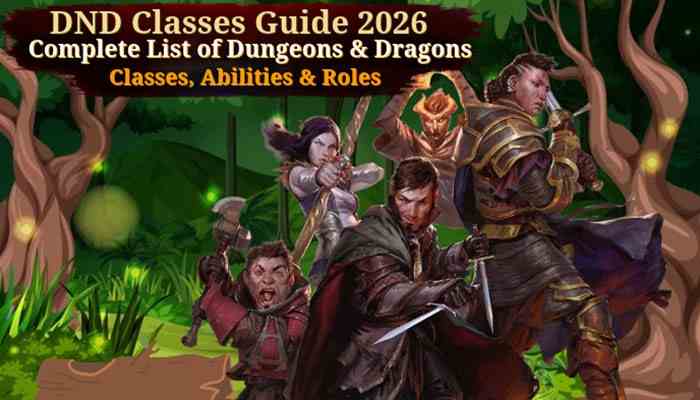

Starting a new adventure in Dungeons & Dragons can feel overwhelming, especially when you have to choose a character class before entering a fantasy world filled with dragons, magic, monsters, and epic battles. Understanding DND Classes is one of the most important steps for creating a character that matches your preferred play style, whether you want to fight enemies with powerful weapons, cast magical spells, support your party, or explore mysterious worlds.
Every class in Dungeons & Dragons offers a different experience. A fighter may stand on the front line protecting teammates, while a wizard studies ancient magic to control the battlefield. A rogue uses stealth and clever tricks, while a cleric combines divine powers with healing abilities. The right choice depends on how you want to participate in your party’s story.
This complete DND Classes Guide 2026 explains every major Dungeons & Dragons class, including abilities, roles, strengths, weaknesses, and beginner-friendly options. Whether you are playing your first campaign or creating a new character for an experienced adventure group, this guide will help you understand each class clearly.
What Are DND Classes?
In Dungeons & Dragons, a class represents your character’s profession, training, and special abilities. It defines how your character fights, solves problems, uses magic, and contributes during adventures.
Your chosen class determines:
- Main abilities and skills
- Weapons and armor proficiency
- Spellcasting options
- Combat style
- Character progression
- Role within a party
Unlike a simple job title, a D&D class shapes your entire gameplay experience. Two characters from the same race can feel completely different depending on their chosen class.
For example:
- A human Fighter becomes a skilled weapon expert.
- A human Wizard becomes a master of magical knowledge.
- A human Rogue becomes a stealth-based problem solver.
Complete List of DND Classes in 2026
The official Dungeons & Dragons class system includes several core classes, each designed for different adventure styles.
| Class | Primary Role | Main Ability | Play Style |
| Barbarian | Tank / Damage Dealer | Strength | Powerful melee combat |
| Bard | Support / Spellcaster | Charisma | Magic, inspiration, skills |
| Cleric | Healer / Support | Wisdom | Divine magic and protection |
| Druid | Spellcaster / Nature Expert | Wisdom | Nature magic and transformation |
| Fighter | Frontline Warrior | Strength/Dexterity | Weapons and tactics |
| Monk | Agile Combatant | Dexterity/Wisdom | Martial arts and speed |
| Paladin | Tank / Support | Strength/Charisma | Holy warrior |
| Ranger | Explorer / Damage Dealer | Dexterity/Wisdom | Survival and ranged combat |
| Rogue | Stealth Specialist | Dexterity | Sneaking and precision attacks |
| Sorcerer | Spellcaster | Charisma | Natural magical power |
| Warlock | Spellcaster | Charisma | Pact-based magic |
| Wizard | Advanced Spellcaster | Intelligence | Knowledge-based magic |
Understanding Party Roles in Dungeons & Dragons
Before selecting one of the DND Classes, it helps to understand common party roles.
1. Frontline Fighters
These characters stay close to enemies and absorb damage.
Examples:
- Fighter
- Barbarian
- Paladin
- Monk
Their main responsibilities include:
- Protecting weaker teammates
- Dealing physical damage
- Controlling enemy movement
2. Spellcasters
Spellcasters use magical abilities to attack, defend, or support allies.
Examples:
- Wizard
- Sorcerer
- Warlock
- Bard
They can:
- Cast powerful spells
- Control battles
- Solve problems creatively
3. Support Characters
Support classes help the entire party survive.
Examples:
- Cleric
- Bard
- Druid
- Paladin
Common abilities include:
- Healing
- Buffing teammates
- Removing harmful effects
4. Skill Specialists
These characters focus on exploration, investigation, and problem-solving.
Examples:
- Rogue
- Ranger
- Bard
They are useful for:
- Finding traps
- Gathering information
- Exploring dangerous areas
Detailed Overview of Every DND Class
Barbarian: The Powerful Warrior
The Barbarian is one of the strongest melee-focused classes in Dungeons & Dragons. Barbarians use anger and primal energy to become stronger during combat.
Main Features:
- Rage ability
- High durability
- Strong melee attacks
- Damage resistance
Best For Players Who Enjoy:
- Direct combat
- Powerful attacks
- Being difficult to defeat
Strengths:
- Excellent damage output
- High health
- Easy for beginners
Weaknesses:
- Limited magical abilities
- Less effective at long range
Bard: The Magical Performer
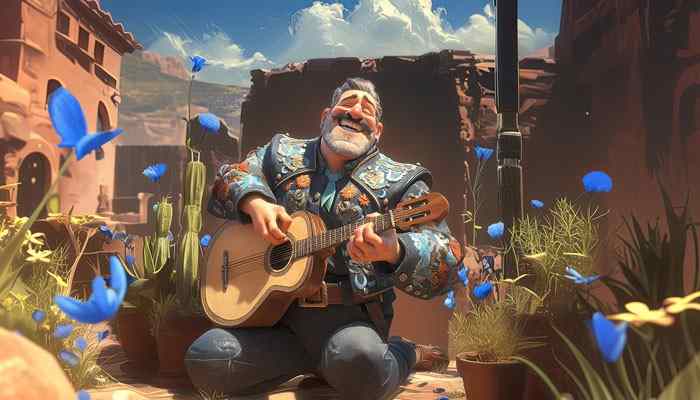
The Bard combines music, magic, and social skills. This class is known for flexibility because it can support teammates while also dealing damage.
Main Features:
- Bardic Inspiration
- Spellcasting
- Wide skill selection
Party Role:
- Support
- Negotiator
- Secondary spellcaster
Why Players Choose Bard:
Bards can handle many situations because they combine magic, combat ability, and strong communication skills.
Cleric: The Divine Protector
Clerics receive magical powers from their chosen deity. They are famous for healing abilities but can also become powerful fighters.
Main Features:
- Healing spells
- Divine abilities
- Protective magic
Common Roles:
- Party healer
- Defensive support
- Spellcaster
Strengths:
- Excellent support abilities
- Powerful magical options
- Strong survival skills
Druid: Guardian of Nature
Druids use the power of nature to control plants, animals, weather, and transformation magic.
Main Features:
- Wild Shape transformation
- Nature spells
- Elemental abilities
Best For:
- Players who enjoy nature themes
- Creative spell use
- Flexible gameplay
Druids can transform into animals, making them one of the most unique classes in the game.
Fighter: The Master of Weapons
The Fighter is one of the easiest DND Classes for beginners because it focuses on straightforward combat mechanics.
Main Features:
- Weapon mastery
- Extra attacks
- Fighting styles
Advantages:
- Easy to learn
- Strong in battles
- Many customization choices
A Fighter can become a sword expert, archer, defensive guardian, or specialized warrior.
Monk: The Master of Martial Arts
The Monk is a unique class that combines physical combat with inner energy. Instead of depending on heavy weapons or armor, Monks use speed, discipline, and special martial techniques to defeat enemies.
Main Features:
- Martial arts attacks
- High movement speed
- Ki-powered abilities
- Defensive techniques
Best For Players Who Enjoy:
- Fast combat
- Hand-to-hand fighting
- Tactical movement
Strengths:
- Very mobile
- Strong defensive abilities
- Can control enemies
Weaknesses:
- Lower health compared to heavy fighters
- Requires strategic gameplay
Monks are ideal for players who enjoy a character that feels like a fantasy warrior mixed with a martial arts expert.
Paladin: The Holy Warrior
The Paladin combines combat skills with divine magic. They are powerful warriors who follow a sacred oath and protect their allies using both weapons and spells.
Main Features:
- Divine Smite attacks
- Healing abilities
- Heavy armor proficiency
- Protective powers
Party Role:
- Frontline defender
- Damage dealer
- Support character
Strengths:
- Excellent survivability
- Strong damage potential
- Helpful party abilities
Weaknesses:
- Limited spell options compared to full spellcasters
- Requires balancing combat and magic
Paladins are popular among players who want a heroic character with strong combat skills and magical abilities.
Ranger: The Wilderness Expert
The Ranger is an explorer, hunter, and survival specialist. Rangers combine weapon skills with nature-based magic.
Main Features:
- Ranged combat abilities
- Tracking skills
- Nature spells
- Monster hunting abilities
Best For:
- Adventure exploration
- Archery-based combat
- Outdoor survival
Strengths:
- Effective from a distance
- Great exploration skills
- Flexible combat style
Weaknesses:
- Some abilities depend on campaign settings
- Less powerful magic compared to dedicated spellcasters
Rangers are excellent choices for players who enjoy exploring unknown lands and protecting their companions.
Rogue: The Stealth Specialist
The Rogue is one of the most skill-focused DND Classes, designed for players who enjoy clever strategies instead of direct attacks. Rogues rely on speed, intelligence, and precision to overcome challenges.
Main Features:
- Sneak Attack
- Stealth abilities
- Lockpicking skills
- Expertise bonuses
Party Role:
- Scout
- Trap specialist
- Damage dealer
Strengths:
- Excellent skill abilities
- High single-target damage
- Great for creative solutions
Weaknesses:
- Less effective in direct battles
- Requires careful positioning
A Rogue can sneak past enemies, discover hidden secrets, and solve problems that other classes may struggle with.
Sorcerer: The Natural Spellcaster
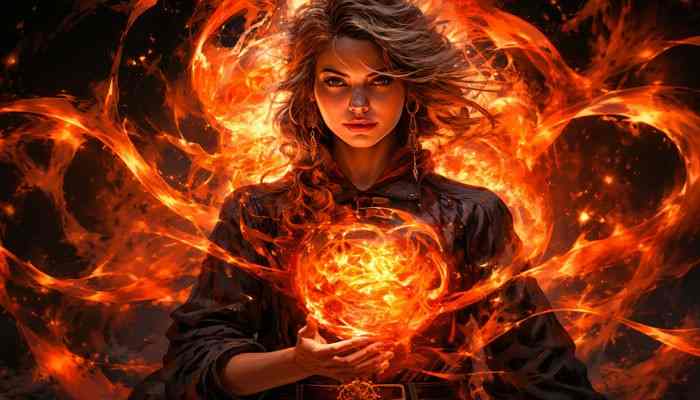
Sorcerers gain magical power from within themselves rather than studying spells like Wizards.
Their magic may come from:
- Magical bloodlines
- Powerful ancestors
- Unique supernatural events
Main Features:
- Sorcery Points
- Metamagic abilities
- Powerful spells
Strengths:
- Flexible spell casting
- Strong magical damage
- Creative spell combinations
Weaknesses:
- Limited spell selection
- Lower physical defense
Sorcerers are perfect for players who want a character with natural magical talent and powerful offensive abilities.
Warlock: The Pact Magic User
The Warlock receives magical abilities through a pact with a powerful being, such as a mysterious entity, ancient creature, or supernatural force.
Main Features:
- Pact abilities
- Unique spells
- Eldritch Invocations
Party Role:
- Damage caster
- Utility spellcaster
- Magical specialist
Strengths:
- Unique customization
- Strong signature abilities
- Interesting storytelling options
Weaknesses:
- Different spell system
- Requires understanding pact choices
Warlocks are popular because their character stories can become deeply connected with their magical source.
Wizard: The Master of Knowledge and Magic
The Wizard is considered one of the most traditional spellcasting classes in Dungeons & Dragons. Wizards gain power through years of magical research and learning.
Main Features:
- Large spell collection
- Spell preparation
- Magical specialization
Strengths:
- Huge spell variety
- Excellent problem-solving abilities
- Powerful battlefield control
Weaknesses:
- Low physical durability
- Requires planning
Wizards reward players who enjoy strategy, creativity, and discovering new magical possibilities.
DND Classes Comparison Chart 2026
| Class | Difficulty | Combat Style | Best Feature |
| Barbarian | Beginner | Melee | Powerful attacks |
| Bard | Medium | Magic & Support | Versatility |
| Cleric | Beginner-Medium | Healing & Magic | Party support |
| Druid | Medium | Nature Magic | Transformation |
| Fighter | Beginner | Weapons | Simplicity |
| Monk | Medium | Martial Arts | Speed |
| Paladin | Beginner-Medium | Holy Combat | Defense and damage |
| Ranger | Beginner-Medium | Ranged Combat | Exploration |
| Rogue | Medium | Stealth | Skills |
| Sorcerer | Medium | Magic Damage | Spell flexibility |
| Warlock | Medium | Pact Magic | Customization |
| Wizard | Advanced | Spellcasting | Knowledge |
How to Choose the Best DND Class in 2026?
Choosing between different DND Classes depends on your personality and preferred gameplay style.
Choose Barbarian or Fighter If You Like:
- Direct battles
- Strong weapons
- Simple mechanics
Choose Wizard or Sorcerer If You Like:
- Powerful magic
- Creative solutions
- Controlling battles
Choose Rogue If You Like:
- Stealth missions
- Investigation
- Strategy
Choose Cleric or Bard If You Like:
- Helping teammates
- Supporting your party
- Flexible gameplay
Choose Ranger or Druid If You Like:
- Nature themes
- Exploration
- Animal and survival abilities
Beginner-Friendly DND Classes
New players often prefer classes with simple mechanics and clear roles. Some beginner-friendly options include:
Fighter
Why choose it:
- Easy combat rules
- Strong abilities
- Simple character progression
Barbarian
Why choose it:
- High health
- Powerful attacks
- Easy gameplay style
Cleric
Why choose it:
- Healing abilities
- Useful in every party
Rogue
Why choose it:
- Fun exploration abilities
- Strong skill options
Final Thoughts
The world of Dungeons & Dragons becomes more exciting when you choose a character that matches your imagination and play style. Each class offers a different way to experience adventure, from the unstoppable strength of a Barbarian to the magical creativity of a Wizard.
Understanding DND Classes helps beginners and experienced players create better characters, build stronger parties, and enjoy richer storytelling experiences. Whether you prefer combat, magic, exploration, or teamwork, there is a class designed for your adventure.
The best class is not simply the one with the strongest abilities. It is the one that allows you to enjoy the game, create memorable moments, and bring your fantasy character to life.
DND Classes FAQs
1. What are the main DND Classes?
The main Dungeons & Dragons classes include Barbarian, Bard, Cleric, Druid, Fighter, Monk, Paladin, Ranger, Rogue, Sorcerer, Warlock, and Wizard.
Each class offers different abilities, roles, and gameplay experiences.
2. Which DND Class is best for beginners?
Fighter and Barbarian are often recommended for beginners because their abilities are easy to understand. Cleric is also beginner-friendly because it provides useful support abilities.
3. Can you change your DND Class after starting?
In most campaigns, your class choice is permanent, but some Dungeon Masters may allow character changes depending on the story.
Players can also multiclass, combining abilities from different classes.
4. What is the strongest DND Class?
There is no single strongest class because effectiveness depends on:
- Character build
- Party composition
- Campaign style
- Player decisions
Every class has situations where it can be extremely powerful.
5. Can DND Classes use magic?
Some classes specialize in magic, including:
- Wizard
- Sorcerer
- Warlock
- Cleric
- Druid
- Bard
Other classes may gain limited magical abilities through subclasses.