


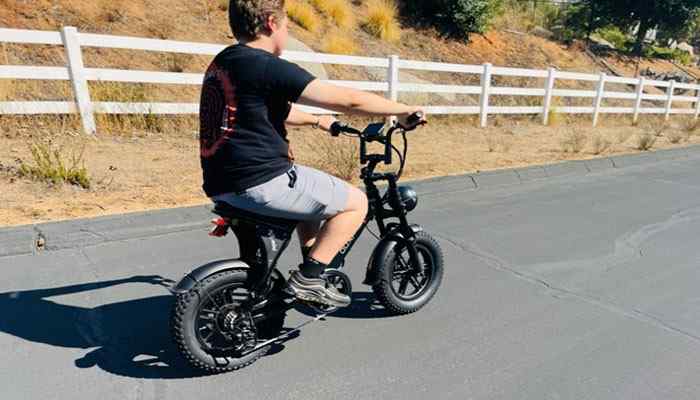

Learning to ride an electric bike is not simply about twisting a throttle or turning on a motor. For teenagers, the experience can involve learning how weight, acceleration, braking, and changing terrain all affect the way a bike behaves.
That is why choosing an electric dirt bike for teens should be approached as part of a larger riding plan. The right bike needs to suit the young rider’s physical size, experience, and intended environment. Parents also have an important role in helping teenagers develop good habits before they tackle more demanding trails.
Confidence Starts With Familiarity
A teenager may already know how to ride a regular bicycle, but an electric bike introduces a few new variables. The additional weight can change balance. Motor assistance can make acceleration feel different. Braking from a higher speed may require more space than a young rider expects.
Instead of immediately focusing on speed, the first few rides can be used to become familiar with the bike. Starting, stopping, making slow turns, and getting used to the controls are simple exercises, but they help create a foundation for more advanced riding. A teenager who understands how the bike responds is better prepared to make sensible decisions when conditions change.
Choose the Bike Around the Rider
There is no universal size that works for every teenager. Two young riders of the same age can have very different heights, weights, reach, and riding abilities. This is why age alone should not determine which bike is appropriate.
An electric dirt bike for teenager use should be checked against the manufacturer’s recommendations for rider size, weight, and age. The rider should be able to operate the controls comfortably and maintain a stable position without struggling with the bike’s weight. Parents can also consider how easily the teenager can move the bike when it is switched off. If it is difficult to handle while stationary, it may also be challenging during a ride.
Match the Bike to the Ground
The surface underneath the tires has a major effect on riding. Smooth dirt is different from loose gravel. A grassy field behaves differently from a rocky trail, while wet ground can make almost any surface more difficult to handle. For off-road riding, tire tread and suspension can become particularly relevant. Suitable tires can provide better traction on appropriate surfaces, while suspension can help absorb some of the movement created by bumps and uneven ground.
These features do not make difficult terrain automatically safe. They simply influence how the bike responds to the environment. A teenager should still learn to read the trail and slow down when the surface becomes unpredictable.
Power Needs to Be Manageable
More power is not necessarily the most useful choice for a beginner. A powerful electric bike can accelerate quickly, which may be enjoyable for an experienced rider but overwhelming for someone who is still learning. Smooth and predictable power delivery can make it easier for a teenager to understand how the bike responds.
Parents should consider the rider’s current ability rather than buying based on the largest available performance numbers. As skills improve, the rider can learn to manage different speeds and terrain more confidently. The goal during the early stages should be control, not maximum performance.
Braking Deserves Extra Practice
Many new riders naturally focus on acceleration because it is one of the most noticeable features of an electric bike. Braking deserves at least as much attention. A teenager should know how the brakes feel before riding on unfamiliar ground. Practicing gradual stops at low and moderate speeds can help the rider understand how much stopping distance is needed.
Braking before a turn is also an important habit. Entering a corner too quickly can make it harder to maintain control, particularly on loose terrain. Parents can make braking practice part of the first few sessions rather than waiting for a difficult situation to provide the lesson.
Build a Simple Pre-Ride Routine
A short inspection can prevent small problems from becoming larger ones. Before each ride, the teenager can learn to check whether the tires appear properly inflated, the brakes work normally, the controls feel secure, and there is enough battery for the planned trip.
It is also worth looking for obvious damage from previous rides. This routine takes only a few minutes, but it teaches young riders that owning an electric bike involves responsibility as well as recreation.
Protective Gear Should Fit Properly
Protective equipment is most useful when it fits correctly. A helmet should sit securely without being loose or uncomfortable. Gloves can help protect the hands and improve grip, while suitable footwear can provide support and protection during off-road riding.
Depending on the environment and riding style, additional protective equipment may also be appropriate. The important point is to choose gear for the actual conditions rather than treating safety equipment as an accessory that only needs to look suitable.
Let Skills Develop in Stages
There is no need to make the first ride a difficult adventure. A controlled area can give a teenager space to practice basic skills without dealing with traffic, steep slopes, or complicated obstacles. Once the rider becomes comfortable, the difficulty can gradually increase. A useful progression might involve:
- Learning the controls while stationary.
- Practicing starts and stops.
- Riding slowly through gentle turns.
- Learning controlled braking.
- Handling small changes in terrain.
- Moving onto more challenging areas when the rider is ready and the location permits it.
This gradual approach gives the teenager opportunities to recognize mistakes and improve without unnecessary pressure.
Parents Can Teach Judgment, Not Just Technique
Good riding is also about knowing when not to ride. For a teenager using an electric dirt bike for teenager, rain, poor visibility, unfamiliar terrain, mechanical problems, or low battery levels can all be reasons to change plans. Teenagers should understand that turning around is sometimes a sensible decision. Parents can also discuss basic trail etiquette, respecting private property, staying on permitted routes, and giving other riders enough space. These lessons can remain useful long after the teenager becomes comfortable with the bike.
Keep Maintenance Part of the Learning Process
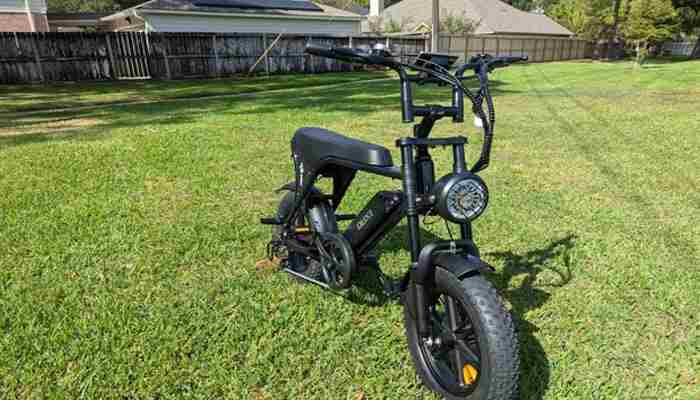
Electric bikes need regular attention. Tires wear down, brakes require inspection, chains and other mechanical components can need adjustment, and batteries should be handled according to the manufacturer’s guidance. Parents do not need to turn every teenager into a bicycle mechanic. However, teaching basic checks creates a better understanding of how the bike works. When researching brands such as OUXI, it can also be useful to review the maintenance instructions and specifications before choosing a model.
Conclusion
An electric dirt bike can give teenagers an enjoyable way to explore suitable off-road environments, but confidence should develop alongside skill and responsibility. The right size, manageable power, appropriate tires, effective brakes, protective equipment, and suitable riding area all contribute to the experience. Most importantly, young riders should have time to learn how their bike behaves. Starting slowly, practicing essential skills, and increasing difficulty gradually can make the transition to electric off-road riding much more comfortable.
FAQs
1. What age is appropriate for an electric dirt bike?
There is no single age that applies to every model. Parents should check the specific manufacturer’s age, height, and weight recommendations along with local regulations.
2. Should a teenager already know how to ride a bicycle?
Previous bicycle experience can help with balance and steering, but electric dirt bikes introduce additional factors such as motor assistance and greater weight. New riders still need proper practice.
3. Is a high-powered dirt bike better for an experienced teenager?
Power should be matched to the rider’s ability and the intended environment. Experience alone does not make a particular power level appropriate, so model specifications and manufacturer guidance should also be considered.
4. What should a teenager check before every ride?
A basic check can include the tires, brakes, controls, battery level, and visible damage. Any obvious problem should be addressed before riding.
5. Can an electric dirt bike be ridden on public trails?
It depends on local rules and the specific vehicle. Some public trails may allow certain e-bikes while restricting motorized dirt bikes, so riders should verify the requirements for each location.
