


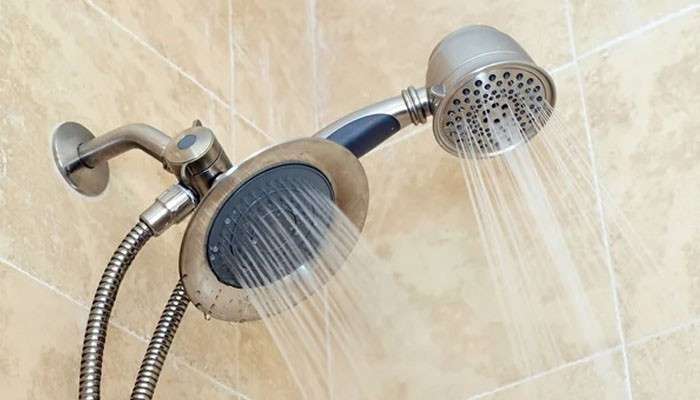

There are few things more disappointing than stepping into the shower expecting a strong, refreshing stream of water and getting little more than a trickle. If your shower water pressure suddenly feels weak, you may be wondering what caused the problem and how to restore the powerful flow you once had. From clogged showerheads and plumbing issues to hidden pressure problems, understanding the reason behind low water flow is the first step toward finding the right solution.
Low shower water pressure can have several different causes. Sometimes the fix is simple, while other times it may point to a larger plumbing problem. Understanding what could be happening can help you figure out whether it is something you can address yourself or whether it is time to call a professional.
Start With the Showerhead
One of the simplest explanations for low water pressure is a clogged showerhead. Over time, minerals and sediment can build up inside the small openings where water comes out. This can restrict the flow and make your shower feel much weaker.
This can be especially common in areas with hard water. If the water pressure used to be strong but has gradually decreased, the showerhead is a good place to start.
You can remove the showerhead and clean it to see if that improves the flow. If the buildup is significant or cleaning does not make much difference, replacing the showerhead may be the easiest solution.
Is It Just the Shower or the Whole House?
Pay attention to whether the low pressure is happening in just one shower or throughout your home.
If your shower is the only fixture with low pressure, the problem could be the showerhead, shower valve, or plumbing leading to that particular fixture.
If the water pressure is low at your kitchen sink, bathroom faucets, and other showers too, there may be a larger issue with your home’s plumbing or water supply.
Checking several faucets is a quick way to narrow down the possibilities.
A Problem With the Shower Valve
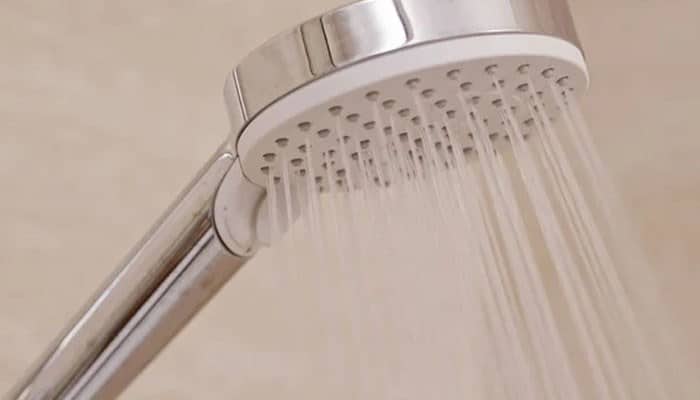
Your shower valve controls the amount of hot and cold water entering the shower. If the valve becomes worn, clogged with mineral deposits, or damaged, it may restrict water flow.
Older shower valves can also develop problems over time. If you notice that your shower pressure is poor even after cleaning or replacing the showerhead, the valve could be part of the problem.
This is one situation where having a professional take a look can save you some frustration. A plumber can inspect the valve and determine whether it needs to be cleaned, repaired, or replaced.
Your Pipes Could Be the Problem
Sometimes low water pressure is not really a shower problem at all. The pipes supplying water to your home may be partially blocked or deteriorating.
Older plumbing systems can develop mineral buildup inside the pipes, reducing the space available for water to flow. Corrosion can also affect older pipes and lead to poor water flow.
If you have noticed gradually decreasing water pressure throughout the house, along with other plumbing issues, it may be worth having your plumbing inspected.
Could Your Water Pressure Regulator Be Failing?
Some homes have a pressure-reducing valve or water pressure regulator that controls the pressure entering the house. If this component is malfunctioning, your home’s water pressure can become too low.
A failing regulator may affect more than just your shower. You might notice weak water flow from multiple faucets or changes in pressure throughout the day.
Because adjusting or replacing a pressure regulator involves your home’s water supply, it is generally best to have a plumbing professional handle it.
When Should You Call a Plumber?
If low shower pressure is annoying but everything else seems to be working normally, checking the showerhead is a reasonable first step. However, you should consider calling a professional if the problem affects multiple fixtures, suddenly appears without explanation, or continues after you’ve tried the basic fixes.
A plumber Idaho Falls homeowners can rely on can inspect your plumbing system and help determine what is actually causing the problem instead of simply treating the symptom.
Low water pressure can sometimes be caused by something small and easy to fix. Other times, it can be an early warning sign of a larger plumbing issue. Getting the problem checked out can help prevent a minor inconvenience from turning into a much more expensive repair.
Get Your Shower Pressure Back
Nobody wants to stand under a shower that feels like a garden hose turned down to a trickle. If your water pressure has changed, start by checking the simple things, such as the showerhead. If the problem continues or you’re noticing low pressure throughout your home, it may be time to have your plumbing inspected.
Finding the cause of low water pressure is the first step toward getting your shower back to feeling like a shower should.
