


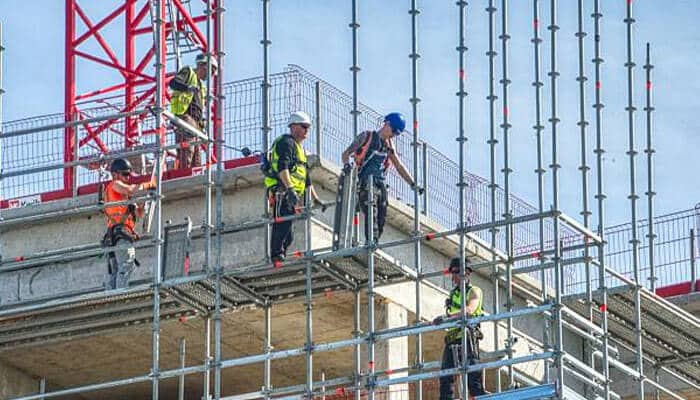

Scaffold work exposes construction employees to serious falling hazards on every single job site. New York lawmakers created Labor Law 240 to address these dangerous elevation related risks. The Law Firm of Rheingold, Giuffra, Ruffo, and Plotkin, LLP has recovered millions of dollars for scaffold accident victims across New York. This statute holds property owners and general contractors strictly liable for gravity related harm. Construction workers hurt in falls or equipment accidents often have the right to seek compensation for their injuries. Speaking with a lawyer quickly can help protect your rights and support a strong claim.
Understanding Labor Law 240 Protections
Labor Law 240 protects construction workers from fall and elevation-related risks on job sites. Contractors are required to supply protective equipment such as harnesses and guardrails to help prevent injuries. Properly secured scaffolding is also required to meet safety standards under this law. Documentation and evidence often matter greatly in these height-related injuries after a serious accident. That resource explains eligibility requirements and how strict liability standards apply to injured workers. Contractors cannot avoid responsibility simply by blaming an injured worker for the accident. Even if a worker failed to clip in properly, Labor Law 240 still allows them to recover damages from the contractor.
Why Scaffold Work Carries High Risk
Scaffolds create serious fall hazards because workers often operate at significant heights above ground. Sudden weather changes and faulty equipment can quickly increase serious danger for scaffold workers. Falling tools and materials from upper levels also threaten unsuspecting workers stationed below them. Improper scaffold assembly frequently leads to dangerous collapses and severe worker injuries each year. Inadequate safety training increases the likelihood of preventable accidents occurring on active job sites. A missing guardrail turned a routine scaffold job into a fatal fall for one Brooklyn worker last year.
Employer Responsibilities Under The Law
Employers must always provide adequate, well maintained safety equipment for every scaffold related task. Routine inspections help supervisors identify hazards well before they ever cause a serious accident. Training programs should also thoroughly cover proper scaffold setup procedures and safe daily use. Site supervisors must consistently enforce safety protocols across every active construction work area. Employers who ignore these legal duties can face serious financial consequences down the line. A crew inspects harnesses before every shift because a frayed strap can snap during a fall.

Common Violations On Job Sites
Many active construction sites still lack proper guardrails required under current safety codes. A contractor recently skipped the use of harnesses on a scaffold job, and a worker fell three stories as a result. Poorly maintained equipment remains a frequent underlying cause of serious scaffold related injuries. Overloaded scaffolds frequently violate posted weight limits established by strict safety regulations. Weak communication between crews can create sudden and genuinely dangerous last-minute changes.Inspectors often cite missing harnesses or broken guardrails. These findings often serve as key evidence when a worker sues.
Steps To Take After An Injury
Injured workers should always seek immediate medical attention following any scaffold related accident. A photo showing a missing guardrail or broken harness can prove exactly what caused your fall. Reporting the incident promptly to a supervisor helps create a clear official record. Gathering witness statements early helps preserve important details before memories start slowly fading. Speaking with a knowledgeable attorney can help clarify all available legal options quickly. Witnesses often forget key details within weeks, so lawyers try to interview them within days of a scaffold fall.
A scaffold accident can pile up medical bills so fast that a family falls behind on rent within weeks. Labor Law 240 exists specifically to hold contractors accountable when basic safety equipment goes missing. Many falls occur because a guardrail is missing or a harness is not properly attached. A worker who writes down the details the same day often remembers the guardrail height more accurately months later. Workers who act fast tend to have an easier time proving what happened. Talking to a lawyer soon after an accident helps clarify what options are actually available.
