




You compared sizes, fabrics, and reviews. You chose a dog bed that looked soft, thick, and well made. It was not cheap. You placed it in a comfortable spot and expected your dog to settle in. But when your dog chooses the floor instead of the cozy bed, it can leave you wondering why they prefer a hard surface over something designed for comfort.
Instead, your dog sniffed it, stepped inside once or twice, and returned to the floor, the sofa, or an old towel.
It is easy to assume the dog is being stubborn or needs more time. Sometimes that is true. But a dog may also reject a bed because it feels too warm, too soft,Blanket too unstable, too small, or difficult to enter. The best clue is not whether your dog approaches the bed. It is where your dog goes after leaving it.
First Decide Whether Your Dog Is Adjusting or Rejecting the Bed
A new bed brings unfamiliar smells and textures. Some dogs need several days before they trust it. If your dog sniffs the bed, lies down briefly, and returns to a familiar place, it may still be adjusting.
A repeated pattern tells you more. A dog that lies down and immediately gets up, keeps changing position, or uses the bed only in cold weather may be reacting to the bed itself.
Watch where your dog goes next, but treat the pattern as a clue, not proof. Tile or hardwood may suggest a cooler or firmer preference, while a rug or thin blanket may suggest light cushioning. Resting against a wall may reflect security, familiarity, or simply a favorite location. Bed placement, unfamiliar smells, and established habits can also affect the choice.
Comfort Is Designed Before the Bed Reaches Your Home
Many comfort problems begin with decisions made before the bed reaches the store. A brand may work with a wholesale pet bed supplier to define the bed’s dimensions, support structure, cover material, bolster height, and entry point before production. These choices later determine how stable, warm, spacious, and accessible the bed feels.
That is why two beds that look similar online can feel different in use. One may depend mainly on loose filling. Another may use a solid or layered foam core that holds the body more evenly. Two beds with the same outside dimensions may also provide different sleeping areas because thick bolsters take up space.
Your dog does not care how often the product page says “premium.” It responds to heat, sinking, limited space, unstable edges, or a difficult entrance.
A Bed Can Be Too Soft to Feel Comfortable
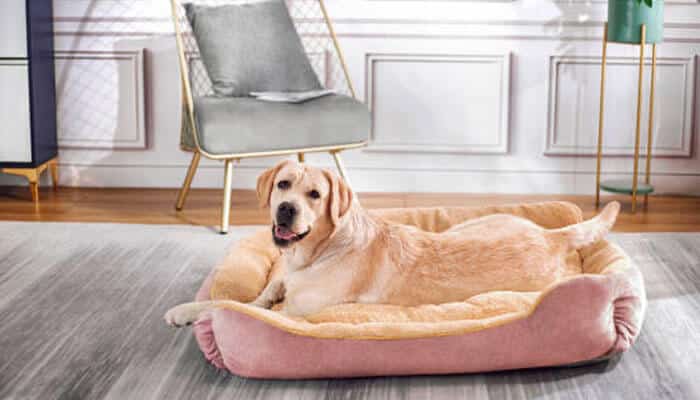
People often press a bed with one hand and assume softer means more comfortable. A dog’s weight changes the test. Pressure becomes concentrated around the shoulders, chest, and hips. If the core keeps collapsing, the dog may have to work harder to turn over or stand up.
This may explain why some dogs choose a rug or thin mat. They may not prefer a hard surface. They may prefer a stable one.
A useful bed should cushion pressure at the top while a firmer lower layer prevents the body from sinking too far. If your dog appears unsteady when rising or quickly moves to a flatter surface, the bed may be too soft or the entrance too high.
Temperature May Matter More Than Softness
Thick fleece and deep bolsters look cozy to people, but dogs have different coats and heat tolerance. A bed that works in winter may become uncomfortable in summer. Plush covers, memory foam, and enclosed sides can hold warmth, while tile and wood draw heat away from the body.
If your dog ignores the bed in the afternoon but uses it after the room cools, temperature may be the issue. Move the bed to a better-ventilated area, remove a heavy blanket, or try a lighter cover. Change only one factor at a time.
The Listed Size May Not Be the Usable Size
Product pages usually show the full outside length and width. Raised sides and thick walls can reduce the actual sleeping area. A bed labeled “large” may still be too small for a dog that sleeps on its side with its legs extended.
Observe how your dog sleeps in its chosen spot. A dog that stretches out needs a broad, flat surface. A dog that curls up may enjoy bolsters. The right design allows the dog to keep its natural sleeping position.
Entry height also matters, especially for short-legged, older, or less mobile dogs.
Smell and Movement Can Ruin the First Experience
Compressed beds need time to return to their intended shape. Foam, fabric, and packaging may also carry temporary odors. Let the bed expand and air out before expecting the dog to use it.
A bed that slides on hardwood, shifts inside its cover, or has bolsters that collapse may feel unsafe. If it moves the first time the dog steps on it, the dog may avoid it long after the problem is fixed.
Quality Checks Can Explain Why a Dog Rejects a Bed
A factory-level pet bed quality control checklist may examine foam support and recovery, fabric strength, stitching, dimensions, zippers, assembly, and how well the bed regains its shape after compressed packaging.
Pet owners do not need to perform a factory inspection, but they can turn these points into a useful arrival test.
Check whether the bed has expanded evenly and whether the corners and bolsters are balanced. Press several areas to see whether the core feels consistent, bottoms out too easily, or returns to shape. Make sure the insert does not shift, the zipper is not exposed, and the base stays in place.
Together, these details create the dog’s physical experience of the bed.
Change One Thing at a Time
Do not change the location, cover, temperature, and training method all at once. Start by placing the bed where your dog already likes to sleep. This separates a location problem from a product problem.
Next, change only the surface. Remove a thick blanket or add a familiar, lightweight cloth. You can also place a flat mat beside the bed. If the dog repeatedly chooses the mat, it may prefer a cooler or more stable surface. If it sleeps beside the bed but refuses to enter, the problem may be the entry, bolsters, or usable space.
Rewards can help a dog accept something new. They cannot fix a bed that is too hot, unstable, undersized, or difficult to stand up from.
The Best Bed Is the One Your Dog Returns To
An expensive bed, a thick cushion, or a professional-sounding label cannot guarantee a good match. The right bed must fit the dog’s sleeping position, body weight, mobility, temperature preference, and chosen resting area.
When your dog chooses the floor, treat the choice as feedback. What does the floor offer that the bed does not? It may be cooler, firmer, larger, more stable, or simply familiar.
Once you identify that difference, you can decide whether the dog needs more adjustment time, a new location, a lighter cover, or a different design. Real value is found in whether your dog chooses to return to the bed, night after night.
