




Key Takeaways
- Implementing eco-friendly kitchen plumbing options helps conserve both water and energy.
- Modern fixtures and appliances are designed to enhance sustainability while maintaining high performance.
- Regular kitchen plumbing maintenance is essential to ensure the continued efficiency and longevity of green systems.
Table of Contents
- Low-Flow Fixtures: Maximizing Efficiency
- Energy-Efficient Water Heaters
- Sustainable Sink Options
- Eco-Friendly Drain Maintenance
- Water Filtration Systems
- Regular Maintenance: Ensuring Longevity
- Creating a More Sustainable Kitchen for the Future
Transforming your kitchen into a sustainable haven involves much more than just energy-efficient appliances. True eco-friendliness extends to every drop of water and to the systems that support daily routines, especially plumbing infrastructure. By embracing eco-friendly kitchen plumbing solutions, you can play an active role in water conservation, lower your utility bills, and cultivate a healthier home environment for your family and the planet. If you are considering updating your kitchen for greater efficiency, schedule today to get started on your eco-friendly upgrade.
Modern green plumbing provides high performance while prioritizing conservation. By using advanced fixtures, improved filtration systems, and sustainable sink materials, homeowners can achieve both efficiency and eco-friendliness. By adopting these innovations and ensuring regular maintenance, kitchens can become centers of sustainability.
Eco-friendly plumbing also aligns with global goals by reducing environmental impact and benefiting the community. Upgrading to sustainable solutions demonstrates that responsible resource management can coexist with style and offer long-term savings.
Even small changes, such as installing low-flow fixtures and maintaining green drainage systems, can lead to significant environmental benefits. This creates a sustainable home and sets a positive example for future generations.
Low-Flow Fixtures: Maximizing Efficiency
The adoption of low-flow faucets and aerators is a practical first step toward an efficient and eco-friendly kitchen. These devices are engineered to use significantly less water per minute than traditional fixtures, reducing household consumption without sacrificing water pressure or effectiveness. According to the U.S. Environmental Protection Agency, WaterSense-labeled faucets can save the average family over 700 gallons of water annually. By swapping older fixtures for low-flow alternatives, you not only reduce your environmental footprint but also see measurable decreases in monthly utility costs.
Energy-Efficient Water Heaters
Conventional water heaters continuously consume energy to maintain the temperature of a large reservoir of hot water. By replacing them with tankless or heat pump water heaters, you heat only the water you need, when you need it. This upgrade can cut water-heating energy use by up to 50 percent. Not only do these modern systems offer rapid hot water delivery, but they also have a longer service life and lower emissions, making them a doubly sustainable investment for eco-minded homeowners.
Sustainable Sink Options
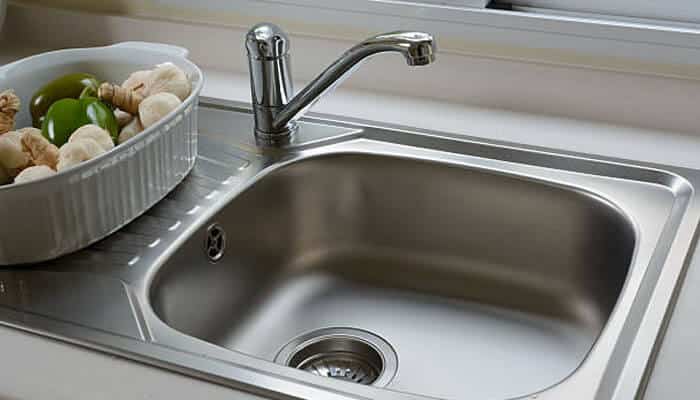
Selecting the right kitchen sink is another subtle but impactful step toward sustainability. Sinks produced from recycled steel or sustainable materials minimize industrial waste and lower carbon emissions. Some manufacturers now use climate-reduced stainless steel, which significantly diminishes the carbon footprint associated with production. The result is a durable and stylish sink that is also environmentally responsible.
Eco-Friendly Drain Maintenance
Maintaining clear and odor-free drains is essential for a sanitary kitchen. Traditional chemical cleaners, however, often introduce harsh compounds into water systems. An alternative is to implement bio-based maintenance systems that rely on naturally occurring bacteria to break down fats, oils, and grease. These solutions are effective in preventing clogs and maintaining clean pipes, all while safeguarding water quality and minimizing ecological risk.
Water Filtration Systems
Filtered water offers better taste, health benefits, and reduced environmental impact. Under-sink or whole-house filtration systems remove contaminants and reduce reliance on bottled water, significantly curbing plastic waste. Many modern filtration solutions are designed to achieve high performance with minimal environmental impact, making them a smart investment for healthier drinking water and a smaller ecological footprint.
Regular Maintenance: Ensuring Longevity
Routine maintenance preserves the benefits of sustainable kitchen plumbing solutions. Scheduling periodic inspections can help identify leaks, inefficient fixtures, and other issues before they escalate into costly repairs. Professional tune-ups and timely part replacements keep systems in top shape, helping to ensure that the money, water, and energy saved today continue far into the future. Staying proactive with maintenance also ensures that eco-friendly investments deliver reliable service and continue reducing your household’s environmental footprint over the long term.
Creating a More Sustainable Kitchen for the Future
Eco-friendly kitchen plumbing upgrades offer a practical way to conserve water, reduce energy consumption, and support a healthier home. By combining efficient fixtures, sustainable materials, water filtration, and routine maintenance, homeowners can enjoy lasting performance while minimizing environmental impact. Small improvements made today can deliver meaningful savings and sustainability benefits for years to come.
