


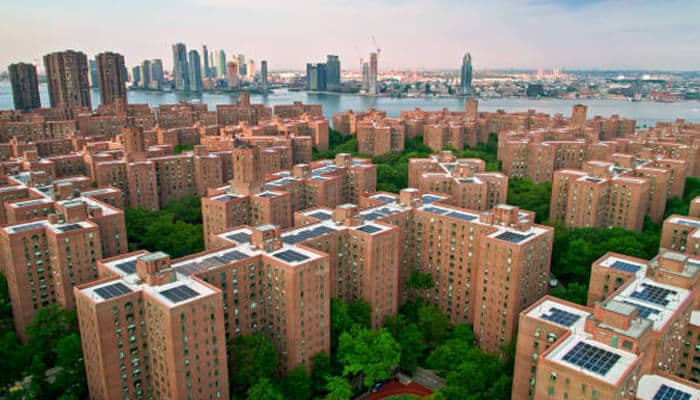

A safe community has safe streets, affordable homes, clean air and water, dependable public services, and protection when heat waves, floods, or storms hit. Sustainable communities in New York are built by combining these essential elements with long-term planning, resilient infrastructure, and environmental responsibility to improve residents’ quality of life. Creating communities that are safe, healthy, and prepared for future challenges benefits both current and future generations.
Those conditions matter to employers, too. Reliable infrastructure helps workers reach jobs, keeps deliveries moving, protects property, and makes commercial districts easier for customers to use. New York City and State are combining public funding, neighborhood planning, and local partnerships to address safety and climate risks while creating economic opportunity.
How New York Is Making Streets and Neighborhoods Safer
Community safety includes preventing violence, reducing traffic deaths, improving public spaces, and building trust. It also supports commerce.
Employees, customers, and service providers all depend on safe, accessible streets. Effective plans combine support services, practical enforcement, safer design, and leadership from people who know the neighborhood.
Community-led Violence Prevention Starts With Support
New York City’s $485 million Blueprint for Community Safety prioritizes six Bronx and Brooklyn precincts that accounted for 25% of the city’s 2022 shooting incidents and 39% of confirmed shots fired citywide.
The plan funds youth mentoring, job training, trauma-informed care, housing support, benefits navigation, parks, and work to improve police-community relationships. Stable housing, support after trauma, and a path to work give young people more options before a crisis develops.
New York State also committed $6 million over two years to Bronx Restore and the West Bronx Community Safety Partnership. Each received $3 million for youth services, education, employment support, mental health care, and community connections. For businesses, these investments can expand the local talent pipeline and strengthen commercial areas.
Safer Street Design Protects People And Supports Commerce
Vision Zero and the NYC Streets Plan treat traffic deaths as preventable. New York City has used lower speed limits, safer crossings, longer signal times, protected bike lanes, Open Streets, and around-the-clock operation of 2,000 cameras in 750 school zones.
Shorter crossings and accessible sidewalks can determine whether a parent, senior, wheelchair user, employee, or customer completes a trip safely. Street upgrades also need construction plans that keep nearby stores visible and accessible.
The consequences of crashes extend across the state. A search for Middletown personal injury lawyers, for example, reflects interest in what happens after a collision. This article focuses on the stronger public-policy goal: preventing injuries before legal, medical, or financial questions arise.
Building Sustainable and Climate-ready Communities Across New York
Climate work becomes real when it makes a home safer in summer, lowers utility costs, keeps water out of a basement or storefront, or keeps the lights on during a storm. It also creates demand for designers, engineers, contractors, suppliers, and maintenance workers.
Creating Sustainable Cities
Clean Buildings And Affordable Housing Can Reduce Energy Risks
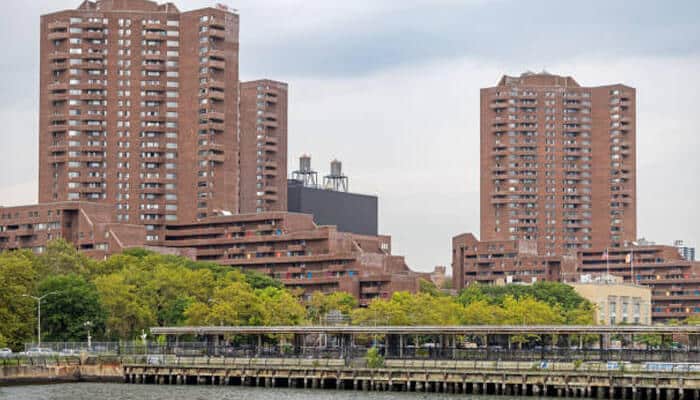
NYCHA’s 2026 Sustainability Agenda calls for heat pumps in 20,000 apartments, induction stoves in 10,000 apartments, and efficient lighting and water fixtures in 45,000 apartments. It also targets 150 public EV charging stations, 30 megawatts of solar capacity, climate protection at 146 buildings, and sustainability work opportunities for at least 1,300 residents.
The jobs commitment links climate policy with business growth. Large retrofit programs need procurement, installation, inspection, logistics, and long-term maintenance. Training residents can help contractors build a local workforce while keeping more economic benefits in the communities receiving upgrades.
City of Yes for Carbon Neutrality removed zoning barriers affecting solar panels, heat pumps, energy storage, EV charging, and green infrastructure. Fewer barriers can make clean-energy projects easier for property owners and firms to plan and finance.
Trees, Flood Protection, And Clean Water Strengthen Local Resilience
Trees and cool roofs reduce heat. Bioswales, permeable pavement, wetlands, and upgraded sewers give heavy rain somewhere to go besides basements, storefronts, and subway entrances.
New York’s 2026 Green Resiliency Grant round makes $60 million available for projects that improve water quality and protect homes, businesses, and public infrastructure. The $4.2 billion Clean Water, Clean Air and Green Jobs Environmental Bond Act supports flood-risk reduction, resilient water systems, open space, and jobs, with at least 35% of benefits directed to disadvantaged communities.
The Bond Act’s $250 million Blue Buffers program supports voluntary buyouts of eligible flood-risk properties. Restored open space can absorb future flooding. For businesses, resilience spending can reduce closures, damaged inventory, missed shifts, and disrupted supply routes while creating work in construction, engineering, landscaping, and maintenance.
What Residents, Businesses, and Local Leaders Can Do
Government funding opens doors, but local knowledge shows where problems are. Residents, schools, nonprofits, employers, property owners, and officials should compare notes early and track results after construction starts.
Start With Local Needs, Trusted Partnerships, And Clear Results
Map dangerous crossings, heat-vulnerable blocks, flood-prone streets, poor housing, missing services, and commercial areas facing repeated disruption. Join a New York City community board meeting, town meeting, school board session, or planning workshop. Report hazards through NYC 311 or the relevant local channel.
Useful measures include traffic injuries, speeding complaints, tree survival, summer heat, energy savings, housing repairs, air quality, and access to youth and mental health services. Business-focused measures should include project delivery, local hires, apprenticeships, and vendor participation.
New York City’s Community Hiring initiative lets the city set workforce goals in vendor contracts, including jobs and apprenticeships for low-income residents. Public purchasing can therefore support both project delivery and workforce development.
Make Every Project Fair, Useful, And Easy To Maintain
Renters, people with disabilities, seniors, young people, immigrants, small-business owners, and residents of overburdened neighborhoods need a voice before decisions are final. Plans also need maintenance funding, affordable access, local workforce pathways, and protections against displacement.
Local hiring targets work best with training, realistic qualification routes, transparent reporting, and outreach to small and minority- and women-owned businesses. A project is sustainable only when people can use it, afford it, trust it, maintain it, and share in the opportunity it creates.
