




A business property should support daily operations, protect employees and visitors, and reflect the professionalism of the company inside. However, durability does not happen by accident. Commercial buildings face constant wear from foot traffic, weather exposure, mechanical system use, cleaning demands, deliveries, and security needs. By investing in routine care and strategic upgrades, business owners can extend the life of their property and reduce the risk of unexpected disruptions. The following tips can help keep your building stronger, safer, and more dependable over time.
Prioritize Consistent Cleaning and Facility Care
Cleanliness plays an important role in property durability. Dust, grime, moisture, spills, and debris can wear down flooring, stain surfaces, affect indoor air quality, and make high-traffic areas look neglected. Regular cleaning helps preserve the condition of lobbies, offices, restrooms, hallways, break rooms, and shared spaces. A clean building also makes it easier to identify early signs of damage, such as leaks, cracks, stains, pest activity, or worn materials.
According to Globe Newswire, the global commercial cleaning services market, including office cleaning, was worth about $100 billion in 2020 and was expected to grow to roughly $145 billion by 2026. This growth reflects how important cleaning has become for commercial spaces that need to remain functional, presentable, and safe. For business properties, scheduled cleaning is not only about appearance; it also helps protect surfaces and support long-term maintenance.
Maintain Your Commercial HVAC System
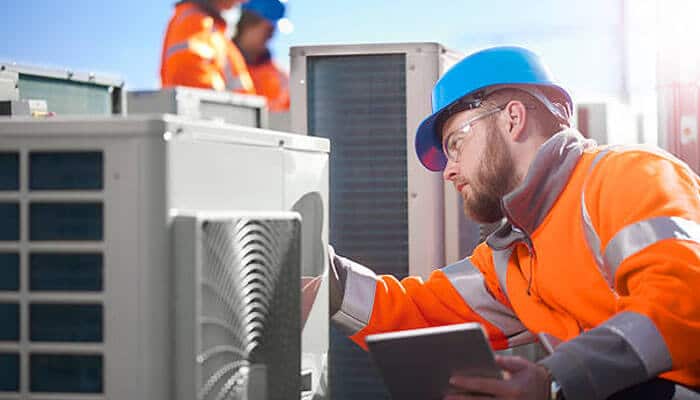
A dependable HVAC system is essential for keeping a commercial building comfortable and operational. Heating, cooling, and ventilation equipment works hard throughout the year, especially in buildings with large interiors, multiple rooms, or high occupancy. When HVAC maintenance is neglected, the system may run inefficiently, deliver uneven temperatures, or experience avoidable breakdowns. Regular filter changes, inspections, duct checks, and professional servicing can help the equipment perform more reliably.
Commercial systems are much larger and more powerful than residential units. According to SkillCat, commercial HVAC systems provide between 2.8 and 28 tons of refrigeration, which is far beyond the capacity of typical residential systems. Because this equipment handles such a heavy workload, preventive maintenance is essential for protecting performance, improving comfort, and reducing strain on the building’s mechanical infrastructure.
Service Doors Before Problems Escalate
Commercial doors are used constantly by employees, customers, delivery teams, vendors, and maintenance crews. Entry doors, overhead doors, fire-rated doors, automatic doors, and security doors all contribute to access, safety, efficiency, and protection. Over time, hinges, closers, tracks, locks, seals, sensors, and frames can wear down. If these parts are ignored, minor issues may turn into security concerns, accessibility problems, or interruptions to daily business activity.
According to Commercial Construction & Renovation, commercial doors should be serviced at least once each year. Annual service can help identify loose hardware, damaged seals, alignment issues, malfunctioning closers, and worn components before they become more serious. Keeping doors in good condition also supports energy efficiency by helping prevent drafts, moisture intrusion, and unnecessary strain on heating and cooling systems.
Protect Exterior Surfaces From Weather Damage
The exterior of your business property is constantly exposed to sun, rain, wind, snow, temperature changes, and debris. Roofing, siding, masonry, windows, gutters, pavement, and exterior paint all need routine attention to remain durable. Small exterior problems can quickly spread if water enters the building envelope or if damaged materials are left unrepaired. Regular inspections can help property owners catch issues before they lead to interior damage.
Gutter cleaning, roof maintenance, window sealing, pavement repairs, and exterior washing can all help preserve the building’s condition. It is also wise to monitor drainage around the property, since standing water near the foundation can contribute to long-term structural concerns. A well-maintained exterior protects the property while also improving curb appeal for customers and tenants.
Upgrade High-Traffic Areas With Durable Materials
High-traffic areas tend to show wear faster than other parts of a commercial building. Flooring, stairways, reception areas, restrooms, and corridors should be designed with durability in mind. Materials such as commercial-grade flooring, washable wall finishes, impact-resistant trim, and strong entry mats can help reduce visible wear and simplify maintenance. Choosing the right materials can also lower the need for frequent repairs or replacements.
Durability should also guide layout decisions. Clear walkways, protected corners, proper lighting, and accessible entry points can reduce accidental damage and improve movement throughout the building. When business owners plan improvements with daily use in mind, the property can better withstand the demands of employees, visitors, equipment, and operations.
Keeping a business property durable requires consistent attention to the systems, surfaces, and access points that support daily operations. Cleaning, HVAC care, door maintenance, exterior protection, and durable interior upgrades all work together to preserve the building’s condition and usefulness.
By addressing small issues early and investing in preventive maintenance, business owners can reduce avoidable repairs, improve comfort, and protect the long-term value of their commercial space. A durable property is better equipped to support both everyday work and future growth.
