


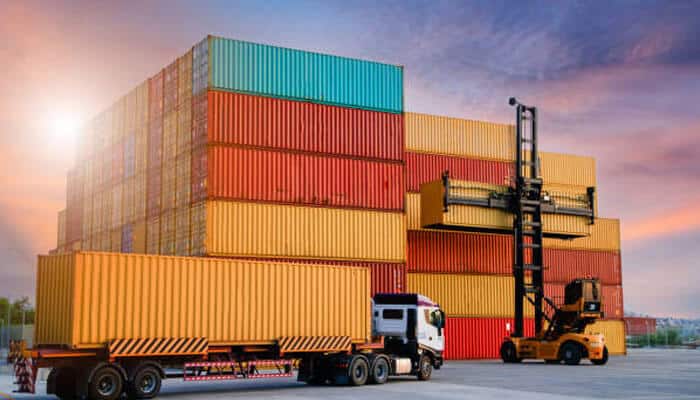

Sustainable transportation planning is a process that prioritizes efficient systems to decrease waste, enhance resource application and meet environmental objectives. Large volumes of goods move across regional and international markets, requiring networks to decrease energy use and increase operational productivity. Shipping containers are a functional solution because they organize the movement of cargo and assist companies in developing logistics strategies.
Standardized designs for shipping containers allow businesses to move goods with greater efficiency across various methods of transport – these containers are compatible with ships, trucks and rail systems, which helps to decrease the fuel use and waste associated with inefficient transfers. Logistics systems rely on these units, making them a central element of sustainable planning.
Increasing Transportation Efficiency
Shipping containers are useful because they increase transportation efficiency. Logistics providers use standardized sizes to organize cargo placement, which ensures that all available space is occupied during transit. Effective space management is a factor that decreases the total number of trips, leading to lower fuel use and fewer emissions.
Goods move more easily between different networks when workers use shipping containers. Products stay inside the container while it moves between ships, trains and trucks – workers do not need to remove or repackage the items – this method is efficient because it requires less manual handling.
Decreasing Material Waste
Environmental impacts from packaging are a primary concern in sustainable transportation planning. Shipping containers are manufactured for repeated use, which decreases the need for single use packaging. The units are durable – companies can transport goods for long periods without replacing the equipment.
Resource management is more responsible when businesses use reusable containers. Existing units stay functional through many shipping cycles – factories do not need to produce new packaging constantly. Organizations that require more logistics capacity may buy shipping container Vancouver options to meet their storage and transport needs with reusable assets.
Facilitating Multimodal Transportation
Supply chains are dependent on various forms of transport to move products. Shipping containers are compatible with different freight methods, which creates a consistent system for ocean, rail and road transport – this flexibility allows businesses to choose transport methods based on availability and environmental impact.
Sustainable shipping plans are possible when companies combine different transportation types. Rail transport is often the choice for long inland distances, while trucks are used for short deliveries. Containers are easy to manage in these scenarios because the cargo is protected within one unit for the entire duration of the trip.
Enhancing Logistics Planning

Accurate scheduling and coordination between partners are necessary for effective transportation planning. Shipping containers are helpful because they have predictable dimensions, capacities and handling requirements – this consistency is what allows businesses to organize their activities with precision.
Delays and inefficient resource use are less common when planning is accurate. Companies avoid having excess capacity when they can calculate their container requirements correctly. Transportation resources are more effective when used in this manner.
Meeting Lower Emission Goals
Reducing emissions is a major goal for modern businesses – Shipping containers are helpful in the efforts because they increase efficiency and support methods that require fewer resources. Transportation providers use less fuel when cargo movement is organized.
Large-scale freight movement is more efficient when containers are used. Moving large amounts of goods in organized shipments is a way to decrease the environmental impact of frequent, small deliveries – this strategy is a balance between operational requirements and sustainability goals.
Prolonging the Utility of Transportation Assets
Better use of existing resources is a component of sustainable planning. Shipping containers are built for difficult conditions – they stay functional for many years. Their durability is the reason companies do not need to replace them frequently.
Containers are often suitable for other commercial purposes after their time in traditional shipping ends. Businesses use them for storage or temporary facilities to extend their lifespan – this practice ensures that the units continue to provide value over time.
Conclusion
Shipping containers are beneficial for sustainable transportation planning because they increase efficiency and decrease waste. The standardized design of these units is a tool for creating organized systems and using resources effectively.
Sustainable freight strategies will continue to rely on shipping containers as companies focus on environmental responsibility – these units are a valuable tool for commerce because they support efficient movement and improve logistics planning.
