


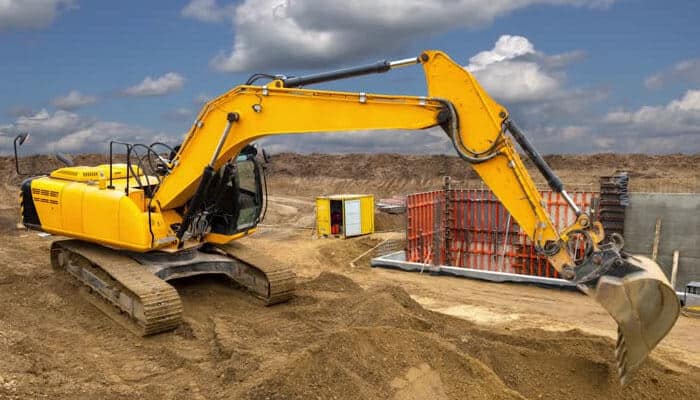

Getting a mini excavator onto a job site is only half the equation. What actually determines how much work that machine can handle comes down to what is attached to the end of the arm. For anyone planning site prep, grading, drainage work, or landscape shaping, understanding excavator attachments is just as important as picking the machine itself.
Why Attachments Matter More Than the Machine Alone
A mini excavator on its own is a capable base machine, but its real value comes from how adaptable it becomes with the right tooling. The same machine that digs a foundation trench in the morning can switch to breaking concrete, lifting materials, or clearing brush later the same day, all without bringing in a second piece of equipment.
This flexibility is exactly why a well chosen set of excavator attachments matters so much on smaller job sites. Instead of renting multiple specialized machines, one excavator with the right tool set can cover far more of the workload on its own, which saves both time and rental costs.
Common Attachment Categories Worth Knowing
Not every job needs every attachment, but understanding the main categories helps when planning equipment needs for a project. A few of the most commonly used types include:
- Digging buckets for standard trenching, foundation work, and general excavation
- Tilt buckets for grading uneven ground or working on slopes without repositioning the machine
- Breaker hammers for concrete demolition or breaking through rock
- Compactors for finishing soil work before pouring foundations or laying pavement
- Augers for drilling post holes, footings, or fence line work
Each of these serves a different phase of a project, and matching the right one to the task at hand is what separates an efficient site operation from one that keeps stalling on equipment swaps.
Augers Deserve Special Attention
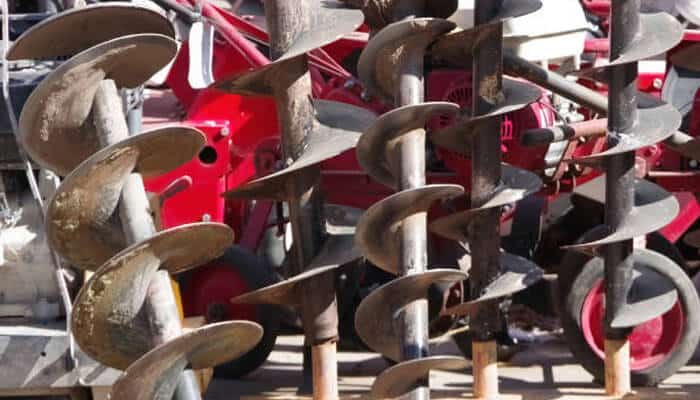
Among the many attachment options, the auger stands out for how often it gets used on residential and light commercial projects. Anything involving fence posts, deck footings, tree planting, or utility pole placement usually needs precise, consistent holes, and digging those by hand is slow and inconsistent.
An auger for mini excavator use turns what would be a full day of manual post hole digging into a task that can be finished in a fraction of the time, with far more consistent hole depth and diameter across the entire site. For projects involving multiple fence lines or footing points, this alone can be the difference between finishing on schedule or falling behind.
Matching Attachments to Machine Size
Not every attachment fits every excavator, and this is where a lot of first time buyers run into trouble. Attachment compatibility depends on factors like:
- The excavator’s operating weight class
- Hydraulic flow rate and pressure, since underpowered hydraulics will struggle to run demanding attachments like breakers or augers
- Mounting system compatibility between the machine and the attachment
- The physical size of the machine relative to the job site, especially in tight residential lots
Buyers working with a mini compact excavator should always check these specs before purchasing an attachment, since a mismatch between machine and attachment capability can lead to poor performance or even damage to the equipment.
Why Smaller Machines Are Gaining Ground on Site Work
There has been a noticeable shift toward smaller, more maneuverable excavators on residential and light commercial sites. A few reasons for this shift stand out:
- Tight urban and suburban lots often cannot accommodate full sized excavators without damaging landscaping or nearby structures
- Smaller machines are easier and cheaper to transport between job sites
- Lower fuel consumption and operating costs compared to full sized equipment
- A wider range of attachments now available specifically sized for compact machines, closing the capability gap that used to exist
This shift has made compact excavators a realistic option for contractors and even ambitious property owners who previously would have needed to hire out specialized equipment for smaller scale digging, grading, or demolition work.
Planning an Attachment Set for a Project
Rather than buying every available attachment, it helps to think through the actual scope of upcoming work before investing. A practical approach includes:
- Listing out every phase of the project that involves digging, breaking, lifting, or moving material
- Identifying which tasks are one time needs versus recurring needs across future projects
- Prioritizing attachments that cover the widest range of common tasks first, such as a standard bucket and a auger
- Reserving more specialized attachments, like breakers or tilt buckets, for when project volume justifies the investment
This approach avoids the common mistake of over investing in attachments that rarely get used, while still making sure the core toolkit can handle most day to day site work without delays.
A Smarter Way to Approach Equipment Planning
For architects, site planners, and contractors managing multiple small to mid sized projects, thinking of the excavator and its attachments as a flexible toolkit, rather than a single fixed piece of equipment, changes how project timelines and budgets get planned. Instead of scheduling around equipment rental availability for every specialized task, a well equipped compact excavator can handle most of the groundwork phase on its own schedule.
Final Thoughts
The right excavator attachments turn a single compact machine into a genuinely versatile tool capable of handling everything from trenching to demolition to post hole drilling. For anyone planning site work, taking the time to match attachments to both the machine and the actual scope of the project pays off in fewer equipment swaps, faster timelines, and a much smoother path from groundbreaking to finished site.
