


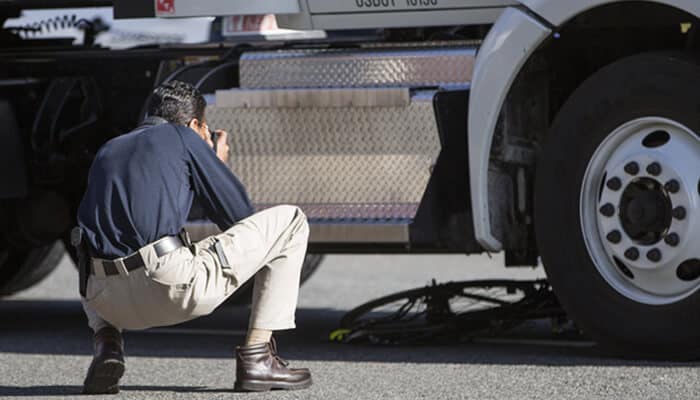

Boston has embraced two-wheeled travel like few other American cities. Motorcyclists carve through traffic on the city’s congested streets, and cyclists fill the bike lanes that have spread across neighborhoods from the Back Bay to Cambridge and beyond. It’s efficient, often enjoyable, and increasingly popular. But with the rise of Motorcycle and Bicycle Accidents, riding on two wheels in a dense, fast-moving city carries real danger, and when a crash happens, the person on the bike almost always pays the highest price. Understanding the risks and the legal landscape can help anyone who rides in Boston stay safer and protect their rights.
This article is general information rather than legal advice, but it should help riders and cyclists understand what they’re up against.
The Shared Vulnerability Of Two Wheels
Motorcyclists and bicyclists face a common reality: they have virtually no protection in a collision. Whether the vehicle is a powerful motorcycle or a pedal bike, the rider is exposed, and a crash that might dent a car’s bumper can send a rider to the hospital. The injuries tend to be serious fractures, head injuries, road rash, and spinal damage are all common and they can have lasting consequences.
The cause is frequently the same as well: a driver who simply didn’t see the rider. Drivers are conditioned to watch for other cars, and they often overlook the smaller, narrower profile of a motorcycle or bicycle, especially when turning, changing lanes, or pulling out of a side street or driveway. This “looked but didn’t see” failure is behind a large share of crashes involving two-wheeled travelers, and it’s one reason riders must stay constantly vigilant on Boston’s roads.
Motorcycle Accidents And The Bias Riders Face
Motorcyclists deal with a particular obstacle beyond the physical danger: an unfair assumption that they must have been at fault. Insurance adjusters and members of the public alike sometimes view motorcyclists as inherently reckless, and that bias can color how a claim is handled, leading to lowball offers and aggressive attempts to assign blame to the rider.
Countering this bias requires evidence. Scene photographs, vehicle damage analysis, witness statements, and sometimes accident reconstruction can establish what truly happened and rebut the assumption that the rider caused the crash. Injured motorcyclists can read here about how these cases are built and how riders push back against unfair fault allocation. The goal is to ensure the rider’s account is told accurately and supported by proof, rather than left to prejudice and assumption.
Bicycle Accidents In A Growing Cycling City
As cycling has surged in popularity across Boston, so too have crashes involving bicycles. The city’s bike infrastructure has expanded, but conflicts between cyclists, cars, and even pedestrians remain common, particularly at intersections, in door zones where parked-car doors swing open, and on streets where bike lanes appear and disappear. A cyclist struck by a vehicle faces the same vulnerability as a motorcyclist, with serious injuries a frequent result.
Cyclists have rights on the road, and drivers have a duty to share it safely, but proving fault in a bicycle crash can be challenging. Fault may be disputed, and a cyclist may be accused of running a light, riding outside a lane, or other conduct meant to shift blame. People injured while cycling can learn more about how these claims are evaluated and what factors influence the outcome. Prompt documentation is especially valuable in bicycle cases, where physical evidence and witness accounts can quickly disappear.
How Massachusetts Law Treats These Claims

Massachusetts is a no-fault auto insurance state, but the way that system applies to motorcyclists and cyclists has important nuances. Motorcyclists are treated differently under the state’s insurance rules than drivers of cars, and cyclists struck by a vehicle may have access to certain coverage as well. The details depend on the specific circumstances and the policies involved.
When injuries are serious enough to cross the state’s legal threshold, an injured rider or cyclist may pursue a claim against the at-fault party for the full range of damages, including pain and suffering. Massachusetts also applies a modified comparative negligence rule, under which compensation is reduced by the injured person’s share of fault, and recovery is barred entirely if that share exceeds fifty percent. Because insurers use this rule to minimize payouts, establishing a clear account of what happened is essential to protecting a claim.
Protecting Yourself After A Crash
The steps that protect your health also protect your claim. Call 911 and get a police report. Accept medical evaluation even if you feel alright, since head and internal injuries don’t always show symptoms immediately. Document the scene with photographs, gather witness information, and preserve your bike and any damaged gear, which can serve as evidence of the forces involved in the crash.
Be careful with insurance companies. Avoid recorded statements and resist early settlement offers before you understand the full extent of your injuries. The kinds of injuries common in motorcycle and bicycle crashes can worsen or reveal themselves over time, and once a settlement is accepted, the claim is closed for good. Slowing down on these decisions protects your recovery.
Mind the Deadline
Massachusetts law sets a limited window for filing injury claims, generally a few years from the date of the crash. Missing it can bar a valid claim entirely. Prompt action also preserves the fragile evidence these cases rely on. Riders and cyclists who act quickly to protect their health and their case put themselves in the strongest possible position.
When Professional Help Makes A Difference
Cases involving riders and cyclists carry challenges that ordinary car claims don’t the vulnerability of the injured person, the bias they often face, and the difficulty of proving fault when a driver claims they “never saw” the rider. These factors make a strong, evidence-backed presentation essential, and assembling one takes time and resources most injured people don’t have on their own.
This is why many riders and cyclists turn to experienced help. Firms such as The Law Office of John J. Sheehan handle these matters regularly, investigating the crash, countering unfair assumptions, and making sure the injured person’s account is supported by solid proof. Getting that help early preserves evidence that fades quickly and helps protect the value of a claim against the tactics insurers use to minimize it.
The Bottom Line
Whether on a motorcycle or a bicycle, traveling on two wheels through Boston means accepting real risk in exchange for the freedom and efficiency it offers. Riders and cyclists share a vulnerability that makes crashes especially dangerous, and both face challenges in proving fault and overcoming bias. Massachusetts law provides protections and avenues for recovery, but understanding the no-fault system, the comparative negligence rule, and the deadlines is essential. Ride defensively, document everything if a crash occurs, and know your rights they’re the best protection you have on the city’s busy streets. Two-wheeled travel will only grow more common in Boston, and with it the importance of understanding how to stay safe and what to do when the worst happens. A little preparation today, combined with a clear understanding of the rules of the road and your legal rights, is the best insurance against a difficult and uncertain tomorrow.
