


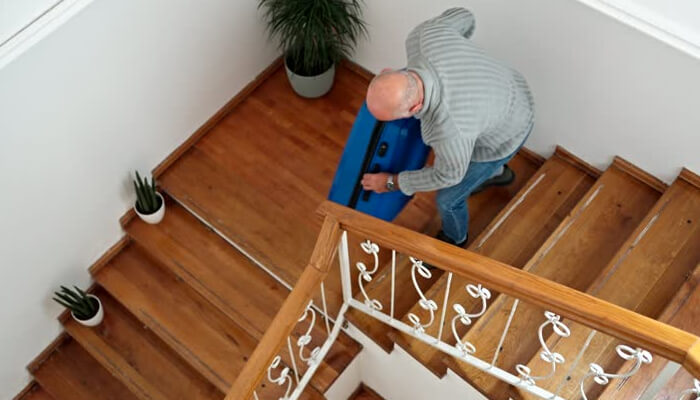

Safe stair features help children and older adults move with greater stability and confidence. Proper support systems reduce common risks and make everyday movement easier inside homes and public spaces. Thoughtful stair construction helps create a safer environment for people who need additional support while using stairs.
Secure wall-mounted handrail brackets help maintain strong handrail support along stairways. Stable handrails give children a dependable place to hold while providing older adults with additional balance assistance. Properly supported rail systems play an important role in overall stair safety.
Handrails That Provide Consistent Support
Handrails help users maintain balance while moving between floors. Continuous support along the staircase allows children and older adults to keep a secure grip throughout the entire path. Consistent handrail placement also helps reduce sudden movements that may lead to slips or loss of balance.
Reliable Mounting Options
Handrails can be mounted to walls, posts, center rails, or vertical surfaces based on the stair design. Brackets are also available for mouldings, flat bars, pipe railings, and other specific applications. Appropriate mounting methods help keep handrails secure under regular use.
Stair Components That Improve Visibility
Clear visibility allows users to recognize each step more easily. Adequate lighting and well-defined stair areas help prevent missed steps and unnecessary accidents. Improved visibility becomes especially valuable for older adults with changing eyesight and young children who need clear visual guidance.
Easy-To-See Stair Details
Several features can improve stair visibility:
- Bright overhead lighting
- Clearly defined stair edges
- Open and uncluttered landings
- Consistent step dimensions
These details help each user identify the next step before movement begins. Clear stair edges and open landings also reduce hesitation during regular use. Consistent visual cues support safer movement for children, older adults, and guests.
Support Features For Different Stair Designs
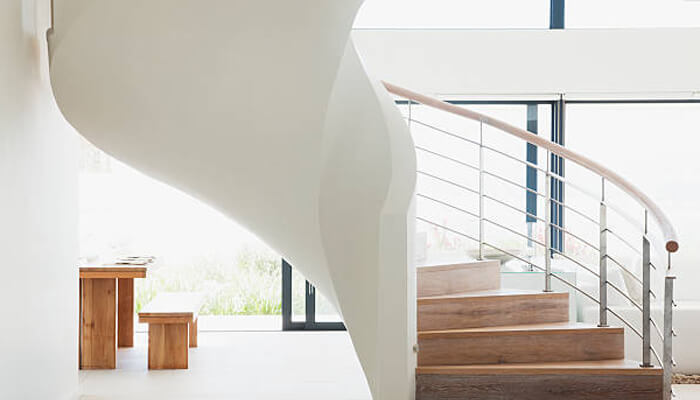
Different stair layouts require support components that match the surrounding structure. Pipe railings, center rails, and vertical mounting systems allow handrails to adapt to various applications. Suitable support arrangements help maintain dependable handrail performance throughout the staircase.
Durable Materials For Long-Term Use
Stair systems frequently use aluminum, steel, stainless steel, bronze, nickel-silver, and other durable materials. Strong materials help support long-term structural reliability under daily use. Quality components contribute to dependable stair performance in residential and commercial settings.
Features That Encourage Confident Movement
Children and older adults benefit from stairs that provide predictable support and comfortable access. Consistent step spacing and secure rail systems help users maintain better balance during daily movement. Familiar stair features can make routine activities feel more manageable and comfortable.
Properly installed wall-mounted handrail brackets help keep handrails firmly attached to the surrounding structure. Reliable support hardware contributes to the overall safety of stair systems used every day. Secure handrail connections help users maintain stability while moving up or down the stairs.
Look For Experts Who Install Reliable Handrail Brackets
Professional installers understand proper bracket placement, mounting requirements, and accepted safety standards for different stair configurations. Experienced work helps handrails remain secure under daily use and supports long-term stair reliability. Accurate installation also helps children and older adults use stairs with greater confidence.
Safe stair features can make everyday movement easier for people who need additional support. Secure handrails, clear visibility, and dependable materials all contribute to safer access between floors. Careful attention to stair design helps create comfortable spaces for every generation.
