




Table of Contents
- Introduction
- Understanding Invoice Financing
- Key Benefits of Invoice Financing
- How Invoice Financing Empowers Growth
- Technology’s Role in Streamlining Invoice Financing
- Considerations Before Choosing Invoice Financing
- Conclusion
In today’s rapidly changing business landscape, maintaining a steady cash flow is one of the keys to business growth and resilience. Traditional financing options often come with lengthy approval timelines and strenuous debt obligations, making them less ideal for businesses in need of quick, non-debt capital. That’s where invoice financing enters, offering a flexible path for businesses to unlock funds held in unpaid invoices. For businesses in metropolitan hubs, evaluating Invoice Finance Providers Sydney can be a smart first step toward building steady working capital without the burdens of traditional loans.
Invoice financing gives businesses immediate access to cash that would otherwise be tied up for weeks, sometimes even months. Rather than waiting for clients to pay their invoices, companies use specialists to advance a significant percentage of the invoice value, fueling their operations and growth plans almost instantly. This has made invoice financing a critical strategy for companies aiming to stay competitive and agile in the current economic environment.
Understanding Invoice Financing
Invoice financing, sometimes called receivables financing or factoring, allows a business to sell its accounts receivable (i.e., outstanding invoices) to a third-party financier at a small discount. The financier provides most of the invoice value upfront; when the invoice is paid, the balance, minus a fee, is forwarded to the business. This arrangement helps bridge the cash flow gap arising from long client payment cycles. Businesses keep their operations running smoothly, pay suppliers promptly, and can pursue new opportunities without being slowed by overdue receivables.
This type of financing is particularly useful for fast-growing companies and industries where cash flow unpredictability is common, such as logistics, manufacturing, and professional services. It is not considered a loan, so it does not add debt to the company’s balance sheet or negatively affect its debt-to-equity ratio, keeping other financing opportunities open.
Key Benefits of Invoice Financing
- Immediate Cash Flow: By converting accounts receivable into cash, businesses can quickly cover payroll, replenish inventory, and invest in marketing or infrastructure projects.
- Debt-Free Funding: Since invoice financing involves selling an asset rather than taking on new debt, companies do not add to their liabilities and preserve their credit rating.
- Operational Flexibility: Businesses decide which invoices to finance, enabling them to manage their cash position strategically based on current needs.
- No Collateral Required: Most invoice financiers base lending decisions on the value of the invoice and the creditworthiness of the invoiced customer, not the assets of the business.
Research from Forbes notes that more small and medium-sized businesses are turning to alternative finance solutions like invoice factoring to weather unpredictable economic cycles and fund innovation.
How Invoice Financing Empowers Growth
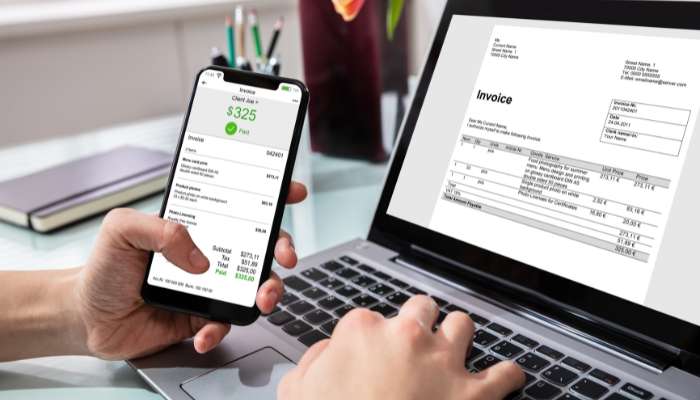
The transformative power of invoice financing is highlighted by companies that have leveraged it to open new business lines or scale their operations. For example, a Midwest-based truck and trailer repair company was able to secure a $300,000 factoring facility, instantly strengthening its working capital position and allowing it to serve more fleet customers. This decision enabled the business to extend more favorable payment terms to its customers and accept larger contracts, which drove revenue growth and regional expansion.
Many service and manufacturing companies also use invoice financing to meet the demands of seasonality, seize bulk purchasing opportunities, or respond to fast-paced changes in their market. Access to near-instant funding demolishes the barriers created by slow-paying customers and gives ambitious companies new momentum to pursue growth opportunities and outperform competitors.
Technology’s Role in Streamlining Invoice Financing
Innovations in fintech have revolutionized the invoice financing process. Digital platforms now automate application procedures, assess risk using real-time data, and release funds far quicker than traditional lenders. For instance, Cleo’s InvoicePay provides an embedded solution where suppliers can receive payment for their invoices within 24 hours, all integrated seamlessly into standard business platforms. This sort of digital financing improves cash flow without straining client relationships or requiring awkward collection processes.
The convenience and speed introduced by modern technology mean businesses can move from application to funding in a fraction of the time previously required, making invoice financing easier and more accessible than ever before. For a deeper look at how fintech is changing financial solutions for businesses, check out insights from Bloomberg.
Considerations Before Choosing Invoice Financing
Despite the advantages, it’s important to evaluate invoice financing terms carefully. Costs can vary, with fees structured as a percentage of the invoice value or as interest rates. Business owners should assess the cost-benefit relationship based on how urgently they need cash and how the fees will affect profit margins. In addition, since financiers will review the credit profile of the company’s customers, businesses working with many new or less-established clients may receive less favorable terms or lower advance rates.
Transparency is essential. Companies should seek providers who clearly explain their pricing models and offer responsive support in case of questions or concerns during the financing relationship.
Conclusion
Invoice financing has emerged as an indispensable tool for modern businesses eager to accelerate their growth without incurring debt or sacrificing operational control. By deploying this flexible financing strategy, companies can quickly unlock funds, respond to market opportunities, and build stronger, more resilient organizations. By paying close attention to contract terms and leveraging the advantages brought by technology, businesses can fully capitalize on the benefits of invoice financing, fueling sustainable long-term growth.
