


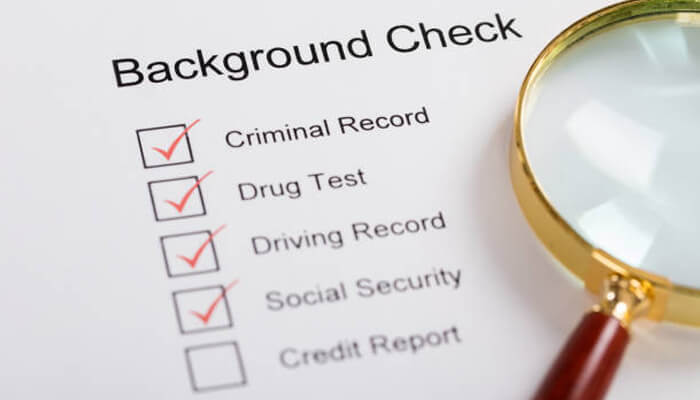

A career in insurance can be exciting. You can work with clients, build long-term relationships, and enjoy a flexible career path. However, before you can legally sell insurance, you usually have to pass a background check for insurance license.
State regulators take this process seriously, and for good reason. They’ll decide whether you’re trustworthy enough to handle insurance products, client information, premiums, and financial decisions. Now this may sound stressful if you’ve never gone through a licensing process before, but most applicants get through it without major issues.
This guide explains everything you need to know.
What Does the Background Check for Insurance License Include?
When you apply for an insurance license, the state’s Department of Insurance (DOI) digs into your history in a few areas:
Criminal Records
This includes both misdemeanors and felonies at the local, state, and federal level. Some states even look at juvenile records, depending on the circumstances.
If you’ve ever been charged with fraud, theft, embezzlement, or any crime involving dishonesty, that’s going to show up (and it’s likely going to be a problem).

Financial and Regulatory History
Things like past bankruptcies, tax liens, and unpaid judgments can raise red flags. Since insurance professionals often handle other people’s money or make recommendations that affect someone’s financial future, regulators want to see that you’ve managed your own finances responsibly.
Administrative Actions
If you’ve had a professional license denied or revoked in another state or industry, that information follows you. Most states report these actions to the National Insurance Producer Registry (NIPR), so they’re visible across state lines.
How Far Back Does It Go?
Many states don’t define a specific look-back period, but a general rule of thumb is 7 years. Many states focus on offenses within that window.
However, serious crimes like fraud, violent felonies, or financial crimes may have no time limit at all. Some states can deny your application based on a conviction regardless of when it happened.
State rules also vary. For example, some states impose a 7- to 10-year ban after any felony conviction before you can apply for a license. Others are more flexible if you’ve demonstrated rehabilitation.
What if You Have a Criminal Record?
Having a criminal record doesn’t always mean your insurance career is over before it starts. The state will usually consider how long ago the offense happened, what the charge was, whether you completed all court requirements, and whether you have shown rehabilitation since then.
An old misdemeanor from many years ago may not carry the same weight as a recent fraud conviction. A one-time mistake may be viewed differently from a pattern of repeated offenses.
If you have a record, gather your documents to explain your situation. This may include court records, proof that fines were paid, probation completion papers, character references, or letters showing steady work, education, or community involvement.
How to Prepare Before You Apply

Here are a few tips to set yourself up for an easier process:
Check Your State’s Rules
Each state has its own insurance licensing process, so don’t assume the rules are the same everywhere. Look at what your state requires for fingerprinting, forms, fees, disclosures, and waiting periods.
Review Your Own Record First
It’s worth doing your research early by running a background check on yourself with a service like UnMask before the state does. Knowing what’s in your record gives you time to gather documentation, seek legal advice, or correct any errors.
Be Honest on Your Application
Read each question carefully. If it asks about convictions, charges, disciplinary actions, or financial issues, answer fully. It’s better to explain something upfront than to hope it doesn’t appear later.
Schedule Your Fingerprints as Early as Possible
Most states require fingerprinting as part of the insurance license background check process. This might be done through a LiveScan digital fingerprint device or traditional ink-and-roll fingerprint cards.
Fingerprint processing can take time. Check your state’s DOI website for their approved vendors and submit early.
Keep Copies of Everything
Save your receipts, confirmation numbers, forms, and emails. If there’s a delay, these records can help you follow up.
How Long Does a Background Check for Insurance License Take?
The timeline depends on the state, the fingerprint method, and whether anything needs extra review. Some background checks are completed in a few days. Others may take a few weeks, especially if records need to be checked manually.
Delays can happen if your fingerprints are rejected, your application is incomplete, your name matches another record, or you have a past charge that needs review. If you know your record may need extra attention, it’s smart to apply early and avoid waiting until the last minute.
The Best Way to Approach an Insurance License Background Check
A background check for an insurance license can feel a little nerve-wracking if there’s something in your record that makes you uneasy. But going in prepared makes a world of difference.
Learn what your state requires, answer every question honestly, and document everything. When you’re prepared and organized, you give yourself the best possible shot at getting licensed.
