


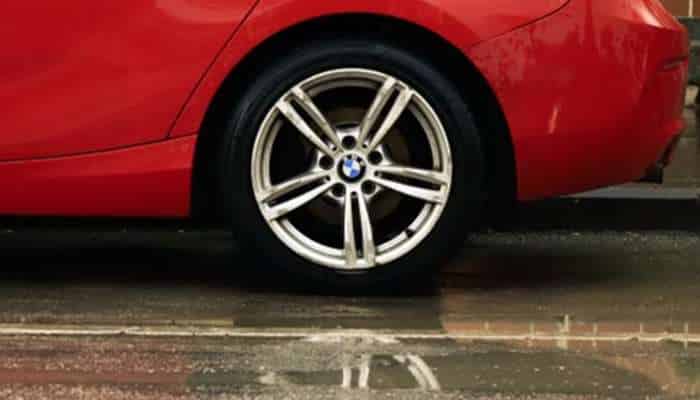

When upgrading wheels and tires, common mistakes include choosing heavy wheels, selecting the wrong tire size, and ignoring proper fitment. Poor-quality tires or incorrect installation can affect handling, safety, and overall vehicle performance. Avoiding these mistakes helps ensure a smoother, more responsive, and reliable driving experience.
In cities like Atlanta, located in Georgia’s Piedmont region, drivers deal with a mix of busy city streets, suburban routes, and extensive highway networks. Traffic-heavy areas like Midtown and Downtown, along with surrounding metro communities, can put added stress on vehicle components. Potholes, summer heat on asphalt, and sustained highway speeds on I-285 can quickly expose wheel and tire fitment errors.
Because of these driving conditions, shops handling BMW wheel and tire upgrades Atlanta often see the same five mistakes come through the door. Understanding these common mistakes can help drivers avoid costly repairs and maintain the performance, safety, and appearance of their vehicle.
Mistake 1: Getting Wheel Offset Wrong
Offset decides how far the wheel sits inside or outside the wheel well. Too much positive offset and the tire grinds the inner liner. Too little and the wheel pushes past the fender.
BMW models are tight on clearance. A wheel that fits a 3 Series will not automatically clear a 5 Series, even with an identical bolt pattern. Confirm offset for your exact model and year, not just the platform.
Mistake 2: Upsizing the Wheel Without Adjusting Tire Profile
Jumping from a 17 to a 19-inch wheel changes the overall diameter if the tire profile stays the same. That single error creates problems that most owners never connect back to the wheel choice.
What Goes Wrong
- Speedometer and odometer readings become inaccurate.
- The tire contacts the wheel arch under full suspension compression.
- ABS and stability control misread wheel speed due to the changed rolling circumference.
Reduce the tire sidewall height when moving to a larger wheel. This keeps the overall diameter close to factory spec and prevents every problem listed above.
Mistake 3: Mismatching Tire Width to Wheel Width
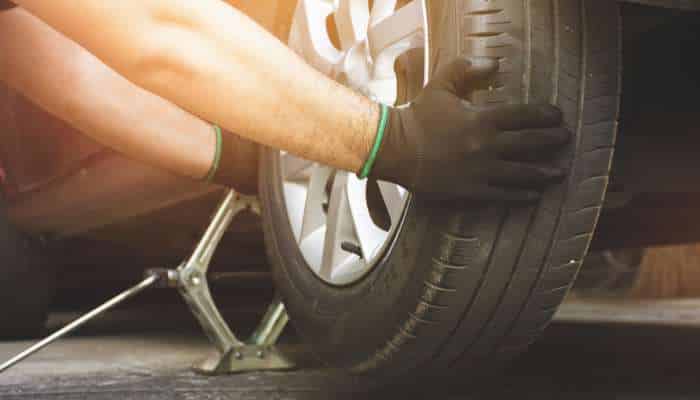
Every tire has a recommended wheel width range. Running outside that range in either direction changes how the tire sits on the rim and how it contacts the road.
A tire stretched over a too-wide wheel stresses the sidewall and raises blowout risk under cornering load. A tire on a too-narrow wheel rounds out the contact patch and reduces grip. Cross-reference tire width against wheel width before finalizing any combination.
Mistake 4: Skipping the Hub Bore Check
Most aftermarket wheels come with a universal bore that is larger than the BMW hub. When the bore does not match, the wheel sits on the lug bolts instead of centering on the hub.
That misalignment shows up as a steering shimmy between 65 and 70 miles per hour that gets progressively worse. Hub-centric rings fill the gap, center the wheel properly, and cost almost nothing compared to the damage loose fitment causes over time.
- Hub-centric rings are inexpensive and easy to fit.
- They eliminate highway vibration caused by wheel float.
- Most aftermarket wheel packages do not include them automatically.
Mistake 5: Picking Style Over Wheel Weight
Heavy wheels increase unsprung mass. More unsprung mass slows suspension response and reduces how accurately the tire follows road surface changes.
BMW wheel and tire upgrades in Atlanta are a common request among owners looking to improve handling and driving feel. Many choose heavier cast wheels to save money upfront, but they often notice that the car feels less responsive and less connected through corners.
Forged wheels may cost more, but their lighter construction reduces unsprung weight and improves overall performance. The difference can be felt from the first drive, offering better steering response and handling both on the street and at the track.
Key Takeaways
- Wrong offset causes rubbing, clearance failure, and uneven tire wear.
- Upsizing without adjusting tire profile disrupts ABS, traction control, and speedometer accuracy.
- Mismatched tire and wheel widths reduce grip and raise blowout risk under load.
- Skipping hub-centric rings causes steering shimmy and stresses lug bolts over time.
- Heavy cast wheels dull suspension response and reduce handling precision.
- Plus-sizing done correctly keeps the overall diameter within the factory range.
- Verify every fitment spec for your exact model before any purchase is finalized.
