


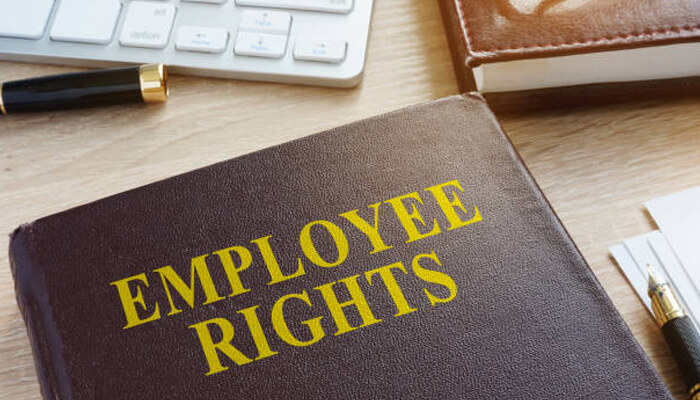

Minnesota has long been recognized for its strong economy, diverse industries, and highly educated workforce. From healthcare and manufacturing to technology, finance, and professional services, employees across the state contribute to organizations that drive both local communities and the broader economy forward. With so many people relying on stable employment to support their families, advance their careers, and achieve long-term goals, understanding workplace rights has become increasingly important. Even in positive work environments, misunderstandings, policy disputes, and questions about fair treatment can arise, leaving employees uncertain about where they stand.
Knowing the protections available under state and federal law can help professionals navigate these situations with greater confidence and clarity. A better understanding of workplace rights also allows individuals to recognize potential problems before they escalate into more serious conflicts. When legal concerns emerge, many workers seek guidance from employment lawyers in Minnesota, including firms such as Madia Law, to better understand their options and protect their professional and financial interests.
Fair Pay Basics
Pay disputes often begin with small errors, a missed hour, an altered timesheet, or a deduction that never made sense. Before concerns deepen, many workers review agency guidance or speak with employment lawyers in Minnesota after unpaid overtime, disputed classification, or withheld final wages. Early review by lawyers at Madia Law helps preserve pay records, text messages, schedules, and deadline-sensitive facts that may later matter.
Overtime and Classification
A salary label does not erase overtime rights. Legal status usually depends on actual duties, decision-making authority, and pay method. Titles can mislead, especially where daily work remains routine and closely supervised. Misclassification may reduce current earnings and hide earlier underpayment. Time logs, calendar entries, and after-hours messages often show whether extra work should have been compensated under wage law.
Equal Treatment At Work
Bias at work rarely arrives with an open admission. It may appear in hiring decisions, promotion patterns, disciplinary actions, pay gaps, or uneven access to major assignments. Protected traits can include race, sex, religion, age, disability, and national origin. A worker who notices shifts in treatment should record the dates and examples. Careful notes often reveal a pattern that casual memory would miss.
Harassment Is More Than Rudeness

Ordinary conflict can make a workplace tense, but unlawful harassment usually involves protected traits or repeated conduct severe enough to change daily conditions. Harm may include slurs, unwanted touching, explicit images, threats, or targeted humiliation. Employer responsibility often turns on notice and response. For that reason, exact wording, witness names, and dates matter. Specific records usually carry more weight than broad descriptions.
Retaliation Can Follow a Complaint
Workers may face retaliation after raising concerns about discrimination, unpaid wages, safety problems, or protected leave. Punishment can take many forms, including firing, demotion, isolation, reduced hours, or sudden criticism. Timing often provides an important clue. When treatment worsens soon after protected activity, the sequence may support a legal claim. Preserved emails and calendar records can strengthen that connection.
Leave Rights Protect Stability
Illness, childbirth, surgery, or caregiving can interrupt employment with little warning. Leave laws may protect a position during serious medical events or family needs, depending on state rules and employer coverage. Managers still must follow notice and reinstatement duties where those laws apply. Problems arise when protected absences are counted against attendance or performance. Reviewing policy terms before a crisis can prevent costly mistakes.
Disability Accommodation Matters
A disability does not reduce a person’s right to participate fully at work. Reasonable accommodation may include schedule adjustments, equipment changes, altered communication methods, or limited remote duties. The process usually requires a direct exchange between the employer and the worker. Trouble starts when supervisors assume limits without discussion or reject options too quickly. Medical privacy also remains important during any accommodation review.
Privacy and Personnel Records
Many employees assume workplace privacy extends farther than it actually does. Company devices, email accounts, and internet activity may be monitored under a written policy. At the same time, medical files and certain background information usually require tighter protection. Reading a handbook in your preferred language early can prevent false assumptions later. Access to personnel records, where permitted, may also clarify evaluations, warnings, and signed acknowledgments.
Whistleblower Protections Exist
Reporting fraud, safety violations, or unlawful conduct can place a worker in a fragile position. Whistleblower protections aim to prevent punishment after a protected report. Coverage often depends on what was reported, who received the complaint, and when events occurred. Internal reporting may matter, though outside disclosure can also carry legal weight. Preserving emails and timelines becomes especially important after raising concerns.
Conclusion
Employee rights shape daily work far more often than a public lawsuit suggests. Pay accuracy, equal treatment, protected leave, privacy, and safe reporting all affect whether a workplace remains lawful and humane. Professionals who keep records and act early usually protect more options. Laws differ across jurisdictions, yet core safeguards deserve close attention everywhere. A solid grasp of these rules helps workers respond calmly, document facts, and limit avoidable harm.
