


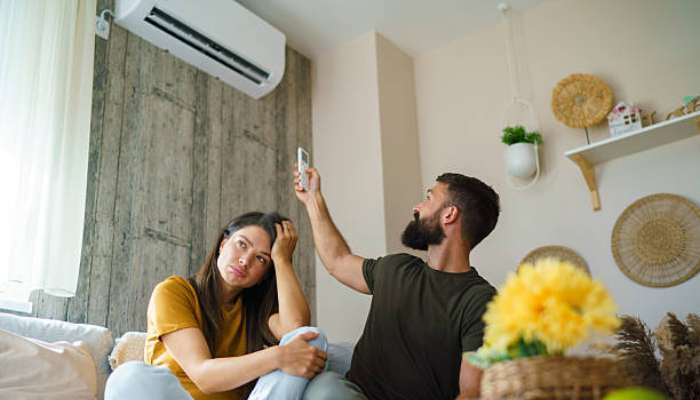

Air conditioners are built to provide cooling for many years but these systems do not last indefinitely. As equipment gets older, it becomes less efficient and is more likely to have performance problems. Regular maintenance is helpful to extend the life of a cooling system but every unit eventually reaches a point where a new system is the more practical choice. Identifying the signs of an old air conditioner is helpful for homeowners to avoid sudden failures – this knowledge is beneficial for planning and ensures that the indoor environment is comfortable during hot weather.
Age Of The Equipment
The age of the unit is a primary factor in how it will perform in the future. Many residential systems are reliable for many years with good care but they are generally less efficient as they get older.
Homeowners with old systems are encouraged to look at replacement options before the unit fails. Researching services like Oakville air conditioner installation is helpful to prepare for a planned upgrade instead of an emergency.
Increasing Energy Consumption
A steady rise in electricity use is often one of the first signs that an air conditioner is old. Older systems are frequently less efficient and need more power to provide the same cooling as before. As parts become worn, the cost to operate the system is higher.
Homeowners are likely to see higher utility bills even when their habits stay the same. If energy costs are rising without a clear reason, the system is likely reaching the end of its functional life.
Frequent Repair Needs
Occasional repairs are expected but frequent service calls are a sign of a larger issue. Components are more likely to fail as systems age because of wear – this situation often results in a series of repairs that are expensive.
Replacement is often a better long term value when repair costs accumulate quickly. It is usually more practical to buy new equipment that is reliable and efficient than to keep fixing an old system.

Reduced Cooling Performance
An air conditioner is supposed to keep indoor temperatures the same throughout the house. Rooms are sometimes warmer than the thermostat setting when an old system is not cooling well.
Loss of cooling power is often a slow process that is difficult to notice immediately. Long cooling cycles and inconsistent comfort are indicators that system parts are no longer efficient.
Uneven Temperatures
Uneven cooling in the home is another common sign that an air conditioner is failing. Some rooms are comfortable while others stay warm. While airflow problems are sometimes the cause, old equipment is also a factor.
The system is often unable to distribute air effectively when its cooling capacity is low – these temperature differences are more obvious when the outdoor heat is high and the equipment is working hard.
Unusual Noises
Air conditioners are expected to make some sound but new or strange noises are important to note. Sounds like grinding, rattling, buzzing or banging are signs of worn parts or mechanical problems – these issues are more common in old systems.
Internal parts are likely deteriorating if noises continue. Some problems are repairable but repeated mechanical issues are a sign that the system is old.
Excessive Operating Cycles
An air conditioner that is old is likely to run longer and more often. The system is sometimes unable to meet cooling needs, which causes long cycles and puts more stress on the parts.
Frequent cycling is a cause of high energy use and makes the equipment wear out faster – this behavior is a contributor to more breakdowns and a shorter life for the system.
Declining Reliability
Older air conditioners are often less predictable – A unit that was once consistent is likely to have intermittent problems or unexpected shutdowns – these issues are inconvenient when cooling is necessary.
Reliability problems are a sign that many parts are at the end of their functional life. Even if repairs are possible, the overall dependability of the equipment is likely to stay low as it ages.
Conclusion
Air conditioners are rarely broken without showing signs first. Rising costs, frequent repairs, poor cooling, strange noises and low reliability are all indicators that a system is old. Homeowners are able to make better choices when they watch for these signs. Recognizing the indicators early is helpful for planning a replacement and ensuring that cooling is dependable for the future.
