




Houses are comfortable and healthy when they manage energy use efficiently. Occupants often believe a residence is in good condition if the heating and cooling systems are operational. However, signs your home is not performing efficiently often appear in small ways. Recognizing these signs early can prevent expensive repairs and ensure the indoor environment remains pleasant.
Rising Energy Bills
Energy bills that increase steadily without changes in behavior are a clear sign of poor performance. Consumption of energy is higher when heating and cooling systems operate more than is necessary. Equipment that is old, insulation that is thin and air leaks are factors that increase utility costs.
Comparing current bills with those from previous years is a way to find trends. If costs are higher despite normal usage, the home is likely not retaining treated air or managing temperatures well.
Uneven Indoor Temperatures
Rooms that are warmer or cooler than others show that there is an efficiency problem. Airflow that is restricted, insulation that is thin or vents that are blocked are causes of uneven temperatures – these issues cause equipment to run for longer durations to reach the set temperature.
Upper floors are often very warm in the summer while lower levels are cool – these differences are signs that treated air is not moving through the home well, which reduces comfort and increases energy use.
Frequent HVAC Operation
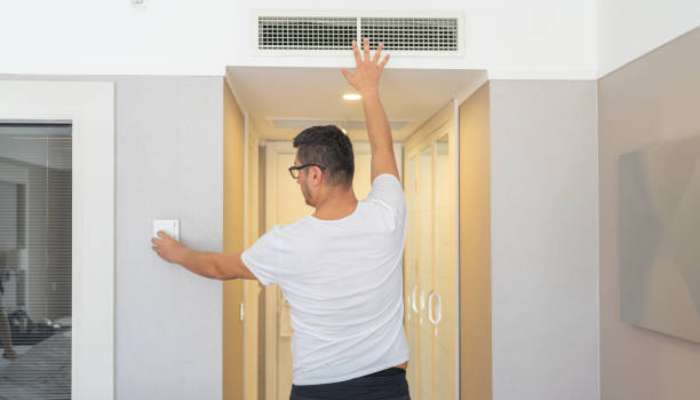
Heating and cooling systems turn on and off in cycles during the day. Equipment is likely struggling to maintain conditions if it runs all the time or for long periods.
Air leaks near windows, old equipment or systems that are too small for the space are common causes. People who need upgrades sometimes look for AC installation Edmonton services to improve how the home uses energy when old equipment is no longer sufficient.
Poor Indoor Airflow
Low air movement causes a living space to be less comfortable even while the heating or cooling equipment operates – this issue frequently indicates that filters contain debris, ducts have obstructions or internal components are damaged.
Spaces require more time to reach a set temperature when the air moves slowly – this delay results in an increase in energy consumption. Correct air circulation is essential so that the equipment can spread air consistently and operate in a functional manner.
Excessive Humidity Levels
Levels of moisture in the air affect personal comfort – Houses do not manage moisture effectively when the indoor environment feels damp or sticky during warm seasons. High humidity is a cause of air feeling warmer than the actual temperature – this condition results in people using air conditioning systems with greater frequency.
Moisture problems are also causes of mold, smells and damage to building materials. Efficient homes have balanced moisture levels that support comfort and lower the work required – cooling systems.
Drafts & Air Leaks
Air that moves through gaps near windows and doors is an indicator of energy loss. Small gaps allow treated air to leave and outside air to enter – these leaks lower efficiency over time.
Air movement through openings is most apparent when outdoor temperatures are extreme. Residents can maintain a consistent indoor climate – closing these gaps – this practice reduces the energy that systems require for temperature control.
Increased Dust Accumulation
Dust that builds up quickly is a sign of problems with airflow or filters. Dust enters through leaks in the walls or moves through systems that are not maintained. High amounts of dust show that air is not moving through the home as it should.
Filters that are dirty and ducts that have leaks make the air quality worse and lower performance. Fixing the problems is a way to improve comfort and help the home operate better.
Unusual Noise From Home Systems
Noises from heating or cooling equipment are important to monitor. Sounds like rattling or buzzing are signs that parts are under stress or are not working correctly.
Mechanical problems lower efficiency before the equipment stops working completely. Checking noises early is a way to find performance issues and avoid repairs that are expensive.
Conclusion
Houses are efficient when they operate correctly and use energy responsibly. Owners can identify a decline in performance – observing multiple indicators – these signs include high utility costs, inconsistent temperatures or restricted airflow. Moisture accumulation, drafts, dust plus loud sounds also signal potential issues. People can prevent minor problems from becoming significant – tracking these conditions. Regular observation ensures that a residence remains comfortable and costs less to maintain.
