


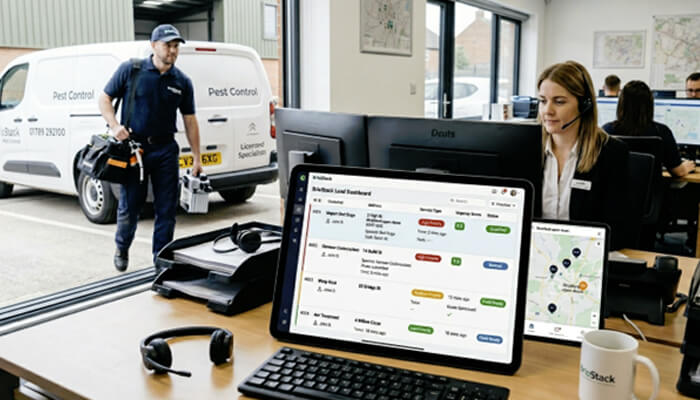

Pest control is a $30 billion market, yet companies within it lose thousands of dollars every month by sending highly trained technicians to properties that are not ready, not qualified, or simply seeking free advice. When a home or business owner calls about a pest issue, the standard response has historically been to dispatch a truck as quickly as possible. This reactive approach creates massive inefficiencies, reduces route density, and exhausts field staff who waste time on low-value calls.
Smart operators are fixing this leakage by moving the qualification process out of the office and into automated systems. By using technology to evaluate prospects before they ever land on a schedule, companies ensure that field teams only handle high-priority, revenue-generating jobs.
The Cost of Unqualified Dispatches
Dispatching a technician to a property incurs significant capital costs, including vehicle wear, fuel, and labor rates. Traditional intake processes rely heavily on office staff asking basic questions, which frequently results in missing critical property data or misjudging the severity of an infestation.
A technician might arrive expecting a standard perimeter treatment, only to find a massive German cockroach infestation requiring hours of intensive remediation. Conversely, they might get sent across town on an emergency dispatch for a harmless nuisance insect.
There are many ways to generate leads, but automated qualification systems eliminate guesswork by instantly analyzing inbound requests. Software can cross-reference property data, historical pest trends in the area, and specific customer inputs to determine the exact nature of the problem.
This immediate classification allows branch managers to protect their field resources. Technicians stay focused on jobs where their specific licenses and expertise match the problem, which prevents the frustration of wasted trips and unprofitable drive time.
Data Points Driving Automation
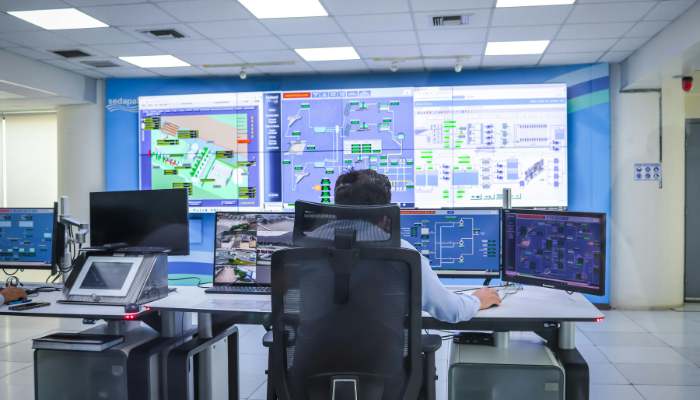
Modern lead management relies on instant data enrichment to validate a prospect before a human scheduler even looks at the screen. The moment a request enters the system, automated tools retrieve property size, structure type, and geographic coordinates to assess the opportunity’s validity. This structural background information helps the system categorize the lead by service line and potential contract value.
Grouping these leads effectively requires a system that connects marketing inputs directly to operational realities. Implementing structured pest control lead management software allows companies to instantly segment residential inquiries from complex commercial opportunities. The software evaluates incoming data against active routes to determine whether the prospect fits into an existing service cluster.
Automation handles the initial sorting by running every incoming inquiry through three primary filters:
- Service type identification based on customer descriptions and keyword matching
- Urgency scoring determined by the reported pest behavior and structural risk
- Route proximity checks to see if the property sits near an active technician
This systematic filtering ensures that the sales pipeline remains clean. Schedulers do not have to spend hours playing phone tag to find out if a prospect owns the property or just rents an apartment. The software handles the vetting, leaving the team to focus on closing pre-qualified business.
Speed to Lead and Route Optimization
In the service industries, responsiveness determines who wins the contract. Research indicates that companies implementing automated marketing platforms achieve a one-minute speed-to-lead standard, capturing motivated buyers before they contact a competitor.
Waiting even 15 minutes to reply to an online form drastically reduces the likelihood of booking the job. Automation solves this by instantly texting or emailing qualified leads with direct booking options, while flagging low-priority inquiries for manual review later.
This rapid triage has an immediate, positive impact on route efficiency. When systems automatically score leads based on location and urgency, scheduling engines can suggest appointment slots that minimize drive time. A high-priority bed bug call can be slipped into an open slot right next to an existing bed bug job, ensuring the technician has the right equipment on the truck.
Predictive Triage and Field Operations
Moving from reactive scheduling to predictive triage changes how field technicians experience their workdays. When automation handles the initial intake, the data collected is far more detailed than typical phone notes. Homeowners can upload photos of pest activity, which AI-driven tools analyze to identify the specific species before anyone leaves the shop.
This upfront clarity alters the dynamic of daily field service. Predictive, automated data capture reduces reactive service calls by up to 40% and accelerates actual inspection times by a quarter. Technicians step out of their trucks knowing exactly what tools, chemicals, and safety gear they need to solve the problem on the first visit.
Maximizing Field Capacity Through Smart Ingestion
Automating the front end of a pest control business is no longer a luxury reserved for national franchises. Small and regional operations are leveraging these exact tools to compete with massive corporate marketing budgets. By filtering out non-viable leads and optimizing routes based on live property data, companies can do more work with fewer trucks on the road.
Building an efficient field operation requires a continuous focus on refining how data enters your business. For more strategies to optimize your business, read other posts on our site.
