



However, it is crucial to go through the fine print of a policy for a clear understanding. One detail that can directly impact the acceptance of the claim is the deviation clause. Here is a clear breakdown of the concept.
What is a Deviation Clause?
A deviation clause is essentially a part of a marine insurance policy that deals with what happens if a shipment does not follow its planned route. In simple terms, if a vessel or cargo takes a different route than originally agreed upon without a valid reason, it can affect how insurance coverage applies.
You will often see this discussed along with transit insurance because both are closely linked to how risk is evaluated during a journey. Insurers calculate premiums based on specific routes and expected conditions. So, when there is an unplanned change, the level of risk can shift, and that may influence the insurer’s responsibility in case of a claim.
Some common types of deviations include:
- Geographical deviation: Taking a different route than planned
- Delay deviation: Unnecessary or prolonged stoppages
- Unauthorised port calls: Stopping at locations not mentioned in the policy
Why Deviation Matters in Marine Insurance
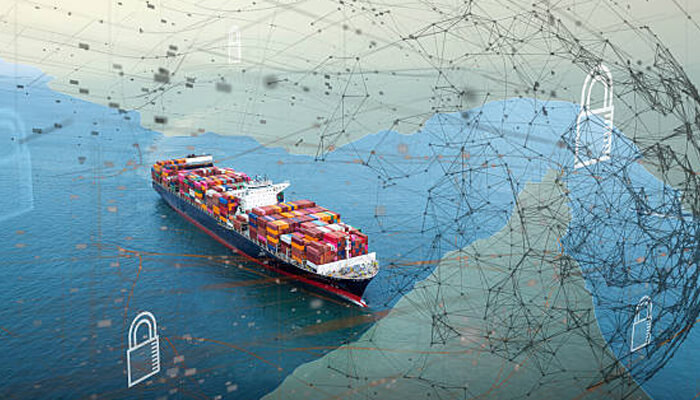
Deviation has a direct impact on the level of risk linked to a shipment. When insurers assess a route, they take into account factors such as piracy-prone areas, seasonal weather conditions and the reliability of certain ports. If a vessel deviates from that planned path, it could end up passing through regions with a higher risk, something that was not factored in when the policy was issued.
As a result, even a minor deviation can lead to:
- Increased exposure to damage or loss
- Disputes during claim settlement
- Reduced or denied compensation
Acceptable vs Non-Acceptable Deviations
Some deviations are generally seen as reasonable and don’t affect the policy. For example, a vessel might need to change its route due to severe weather or take a detour to handle an emergency at sea. Similarly, if urgent repairs are required to keep the vessel safe and operational, such changes are usually accepted.
However, things are viewed differently when the deviation is driven by convenience rather than necessity. Route changes made for commercial reasons, without any real justification, can raise concerns and may affect how the insurer assesses the risk.
Impact of Deviation on Claims
When businesses file a claim, insurers consider the damage and the ship or vessel’s journey. If the route was deviated from, insurers evaluate whether the deviation was unavoidable.
If the deviation from the route is not justified, the claim payout may be adjusted or denied altogether.
For businesses, this can be a tough situation, particularly when they were counting on full compensation to recover the loss.
Conclusion
The deviation clause is often overlooked, but it can play a big role when a claim is made. If you are not clear on how it works, it’s easy to run into surprises at the worst possible time. Having a basic understanding of it helps businesses stay better prepared and avoid unnecessary complications during transit.
Working with an experienced insurer like TATA AIG can also make things simpler. With the right support and a well-structured marine insurance policy, it becomes easier to manage these situations while keeping both cargo and financial risks in check.
