


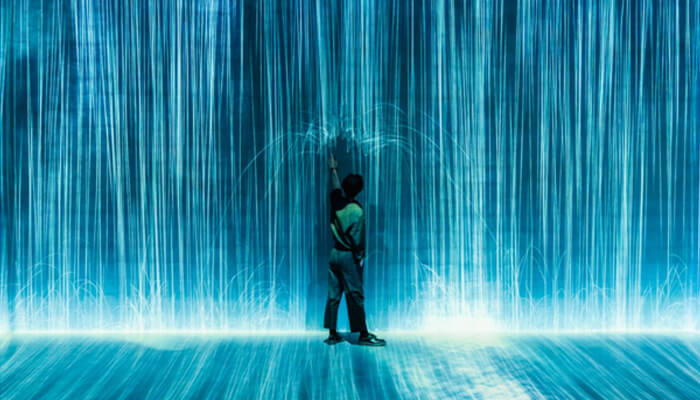

Since the dawn of humankind, art has grown side by side with the development of instruments. Whether it was painting with charcoal in caves or developing oil paints and then photography, there have been constant advances in the creative world. Now, however, technology seems to be advancing at an unparalleled pace in its impact on art. What used to take physical space and expensive materials can now be produced using a computer, a tablet, or even voice recognition technology. Not only that, but it is transforming the very way artists think and create art.
Digital Painting and Illustration: The New Studio
Modern illustration is no longer confined to the use of brushes and canvases alone. Tools such as graphic tablets and screens equipped with styluses enable artists to employ their traditional methods in conjunction with absolute control over layers, texture, and undo capabilities. Modern software imitates the effects of watercolors bleeding into each other, oils blending, and pencils sketching out details with amazing accuracy. However, they offer artists a whole new range of art forms that would be impossible to create outside of the digital domain. This flexibility has opened professional illustration to a wider audience, including independent creators who can now produce gallery-quality work from home setups.
AI-Generated Art: Collaboration with Algorithms
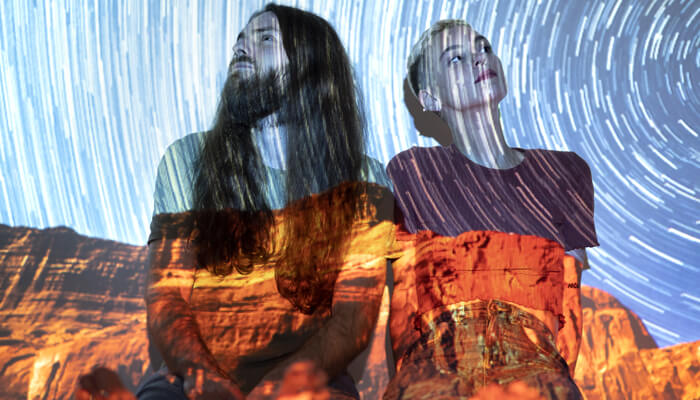
The advent of artificial intelligence has brought an unlikely partner in the creative process—the machine. Through generative algorithms, computers have the ability to create imagery from textual input or through learning particular styles. Far from taking the place of the creative human, these algorithms function as creative partners that suggest new forms or aid the initial process of conceptualization. By engaging with the process of creation through the use of artificial intelligence, artists are able to test new possibilities or work against pre-existing aesthetics. The conversation between human intention and algorithmic output is reshaping authorship, raising questions about originality while also expanding what “creating” can mean in the digital era.
Projection Mapping and Interactive Sound: Living Environments
The integration of light and sound in an environment is one of the most intriguing aspects of modern art. The buildings themselves serve as canvases while the floors become interactive according to one’s movements. This trend is quite common in Florida, where large-scale installations can be found in cultural areas. In such contexts, creators have produced breathtaking immersive art in Miami that blends architecture with motion graphics and spatial audio, turning entire venues into responsive storytelling platforms. These works often rely on synchronized lighting systems, generative visuals, and layered soundscapes that shift depending on audience interaction. The result is not just a visual spectacle but a multisensory narrative that evolves in real time.
Virtual and Augmented Reality: Expanding the Artistic Space
Both VR and AR are breaking down the physical boundaries in art. When one creates sculptures using VR technology, it is possible to walk around such an object as though it were located physically in a three-dimensional space. With the help of AR, the digital art becomes part of the existing environment, which means that it becomes possible to use streets, squares, museums, and one’s own home for displaying the works of art. This way, the audience has the opportunity not only to look at the art but also to interact with it and feel it.
3D Modeling, Sculpture, and Printing: From Digital to Physical
The evolution of digital sculpting software has drastically changed the way we create physical forms. Designers can mold their creations within a virtual space using the same fluidity they would when molding physical clay, but with much more accuracy. The finished design can then be brought to life through the processes of 3D printing, CNC milling, or other methods of fabrication. This technology has not only enabled designers to experiment with and perfect their ideas, but it has also opened up entirely new avenues for creation that were previously unattainable through traditional means. It has also transformed industries such as fashion, product design, and architecture, where digital-first workflows now dominate early development stages.
Online Platforms and Digital Ownership: Sharing and Monetizing Art
The internet revolutionized the way art is circulated and appreciated. The advent of social media allows artists to communicate their artistic products to an international audience immediately without the involvement of intermediaries such as galleries or agencies. However, the use of blockchain technology and digital marketplaces created alternative means of ownership in which works of art could be verified and traded as distinct digital property. As such, artists gain the ability to make money from their works without any intermediation. Visibility, engagement, and creative identity are now tightly interwoven with online presence.
Technology is no longer just an array of tools that assist artists. Instead, it is itself an artistic medium. Whether it involves artificial intelligence-assisted art making or 3D printing, technology allows for ever-expanding means of communication. It does not detract from the artist’s skill but rather enhances his or her abilities to create. As technology further integrates with the physical world, artistic activity will probably evolve toward greater interactivity and hybridity.
