


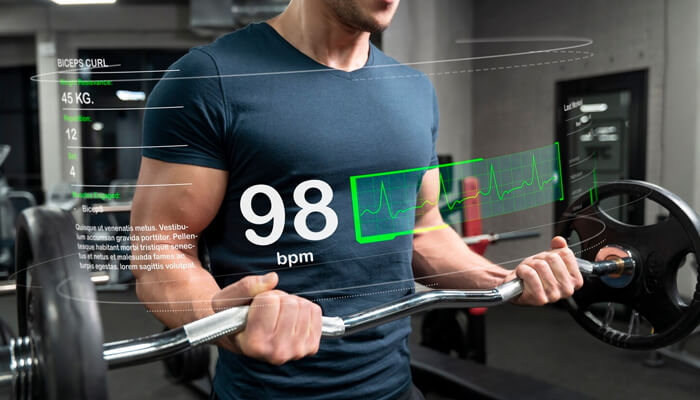

Developing a fitness application in the year 2026 doesn’t mean adding some timer and video player functions to an elegant user interface design. The industry is beyond “tracking” and is now all about “intelligence.”
Consumers are buried under loads of information while lacking real insights. In order to remain in business for the next five years, your product should become less of a digital diary and more of a wellness service desk. We evolve from the “what” question – what have I done today? – to the “so what” one – what’s next for me in my workout routine?
The Strategy: Niche Over Mass
Gone are the ‘general fitness’ apps. The big players, including Peloton, Strava, and MyFitnessPal, have monopolized the generalist market space. You can only succeed in this market by getting extremely specific. This includes Pilates for frequent flyers, strength training for those aged 60 years and above, and postnatal corrective exercises for women who want to resume intense sports activities after childbirth.
When you are developing a fitness app, your first job is to identify a community that feels ignored or underserved by the “big box” players. An audience willing to pay money for niche content is ten times more valuable than a million users who churn within a week of downloading the application. In 2026, currency is not going to be downloaded but the retention rate. And if your app does not serve a purpose – one that solves a particular pain point for its users, then you might as well prepare yourself for deletion prior to any push notifications being triggered.
The Hardware-Software Marriage
The game-changer of 2026 will be the unwillingness of users to accept data silos. Unless your app communicates with the Apple Watch, with the Oura ring, or with special sneakers, you might as well forget about it. People expect their pulse rate, recovery indices, and exercise intensity to all be part of one single, automated stream. In other words, after finishing a run, people expect their data analysis to be ready for them.
However, it’s in this part where the vast majority of businesses fall apart; they consider integration to be some form of “optional” aspect to include in their version 2.0 update. If your payment system malfunctions, then that’s a minor issue; however, having your heart rate monitoring system malfunction during a world-record-breaking attempt could mean disaster for your reputation.
It’s why serious creators move toward hiring dedicated fitness app developers to build a custom backend. You need a system that can handle thousands of real-time pings and complex data handshakes without lagging, and that requires genuine engineering, not just “drag-and-drop” templates.
The New Digital Spotter
By 2026, the use of AI has evolved from being just a word in the marketing world to becoming an integral part of the functionality of any system. There will be applications that allow form correction by using the camera on a smartphone and providing real-time feedback if a user performs squats at too low a depth or arches his or her back while deadlifting.
Furthermore, personalization has come to mean automation. Outdated static 12-week PDF plans belong in the past. In contrast, the latest app responds to how the body feels. When the device records poor sleep or a low HRV, the app needs to recommend either a mobility or recovery workout, not a high-intensity lifting day. Such an extent of “empathic technology” is the key to loyalty. It’s as if the app itself empathizes with the person and adapts to their real-life experience, rather than placing them into a predetermined mold.
The Reality of Monetization
Don’t continue acting like those pesky banners and popup ads are an effective marketing approach. People will pay you if they see value in it, but they’ll run away from anything that gives them friction. The trend is moving towards “Freemium 2.0.” You offer the users an awesome experience for free – a new streak or even an introductory workout routine – and then put a lock on the good stuff.
The most successful models in 2026 use a hybrid approach to capture different segments of the market:
- Tiered subscriptions: For the main community, an exclusive library of content, and AI-based personal coaching tools.
- Micro-transactions: For individual master classes, limited time access to an elite trainer or coach, or custom meal plans.
- Social commerce: Incorporating top-notch equipment or supplements within the mobile app itself.
- B2B licensing: Offering your platform as a turnkey service to corporate wellness programs that desperately need engagement.
The true monetization moat is getting yourself so entrenched within the user’s day-to-day operations that paying the monthly fee becomes just another utility bill payment – paying without much thought due to the critical nature of the service being offered.
Conclusion
Always in the startup space, there is an inclination towards “breaking everything as you launch.” But, in the fitness and wellness industry, if you break trust, then you will not have another opportunity. Being the first mover will not be the goal for the year 2026; instead, reliability and focus will be important.
Concentrate on providing a seamless UI that works despite having sweaty palms, make your syncing rock solid for all devices, and choose an area that you know inside out. Developing a fitness application requires stamina, and those who complete the course are always those who invest time in perfecting the technical basics.
Avoid dreaming up fancy features before you are completely confident about delivering what you are capable of producing now. It’s only consistency that counts both at the gym and in the App Store. Provide exceptional service and develop an excellent community, and money will eventually
