




The global wellness economy continues to expand as consumers place greater emphasis on comfort, health, and everyday living environments. The Global Wellness Institute reports that the sector reached $6.8 trillion in 2024 and is projected to approach $9.8 trillion by 2029. Within this broader context, home furnishings are increasingly viewed as part of the wellness conversation. Soulfa, a U.S.-based furniture brand founded in 2015, operates within this evolving space by offering modular cloud couches designed for durability, adaptability, and long-term use.
Positioned as a direct-to-consumer brand, Soulfa targets buyers seeking premium furniture without traditional retail markups. The company’s product line centers on modular sectionals constructed with performance fabrics, hardwood frames, and customizable configurations. Its approach reflects a shift in consumer expectations, where furniture is expected to support both lifestyle flexibility and ongoing comfort.
Modular Design Built for Modern Living Spaces
Soulfa’s modular system is based on individual “cube” components that can be configured into various seating arrangements. This design originated from a logistical challenge experienced by the company’s founder, who encountered difficulty moving a traditional sofa into a high-rise residence with limited access points. By breaking the couch into smaller units, the brand addresses common issues related to narrow entryways, elevators, and urban layouts.
The modular format also allows customers to adjust their furniture over time. A four-cube configuration may suit smaller apartments, while larger setups can be created by adding additional sections. This adaptability aligns with trends in urban housing, where residents often relocate or reconfigure living spaces.
Industry observers note that modular furniture has gained traction as consumers look for practical solutions that extend beyond fixed layouts. The ability to scale a product rather than replace it entirely contributes to long-term usability and cost efficiency.
Non-Toxic Materials and Washable Fabric Systems
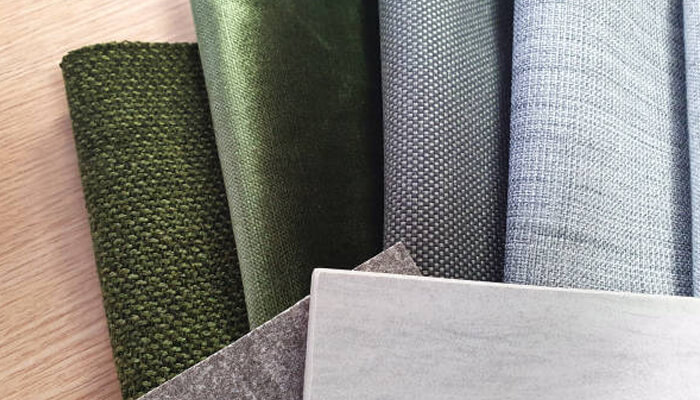
Material selection plays a central role in Soulfa’s positioning. The company reports that its fabrics are engineered without substances such as formaldehyde, flame retardants, PFAS, and other chemicals associated with indoor air concerns. These materials are described as hypoallergenic and designed to minimize off-gassing.
In addition to material composition, the brand emphasizes maintenance. Covers are removable and machine washable, allowing users to clean or replace them without discarding the entire couch. This feature addresses practical concerns in households with children, pets, or frequent use.
Industry research consistently shows that a growing share of consumers actively engage in wellness habits and prefer brands aligned with health-conscious values. Within the home category, this has translated into increased scrutiny of materials and product safety. Furniture that combines durability with cleaner material profiles reflects this broader shift in purchasing behavior.
Durability Through Construction and Long-Term Warranty
Soulfa offers a 20-year warranty on its couches, positioning them as long-term investments rather than short-cycle purchases. Frames are constructed from kiln-dried oak hardwood, and seating systems include high-density foam with optional memory foam layers. The company states that this structure is designed to maintain shape and support over extended use.
The brand’s production model focuses on small-batch manufacturing rather than high-volume output. This approach allows for greater oversight of construction quality and material sourcing. While not uncommon in premium segments, it contrasts with the faster production cycles seen in mass-market furniture.
Durability has become a key factor in consumer decision-making, particularly as awareness grows around waste and product lifespan. Furniture designed for extended use can reduce replacement frequency, which in turn affects long-term cost and environmental impact.
Performance Fabrics and Maintenance Efficiency
A defining feature of Soulfa couches is the use of stain-resistant performance fabrics. The company reports that these materials are engineered to repel liquids and prevent spills from setting into the surface. This design reduces the need for intensive cleaning and helps maintain the appearance of the product over time.
Removable covers further simplify maintenance. Users can wash or replace them as needed, allowing for both hygiene and aesthetic updates. This capability is particularly relevant in high-traffic households, where furniture is subject to regular wear.
The option to change covers also supports evolving interior preferences. Rather than purchasing a new couch, customers can update the look of their existing setup. Additional product details and configuration options are available through soulfa.com.
Comfort Engineering and Custom Cushion Design
Comfort remains a central consideration in seating design. Soulfa couches incorporate a layered cushion system that combines feather down with structured foam. Optional memory foam inserts add an additional layer of support, intended to improve consistency while maintaining a soft seating experience.
Design professionals have long emphasized the importance of seating in shaping living spaces. Figures such as Bobby Berk have noted that the sofa often acts as the anchor of a room, influencing how people gather and relax. This perspective highlights the role of furniture not only as a functional item but also as a central element of daily routines.
Growing interest in comfort-driven products reflects broader lifestyle changes. As more time is spent at home, seating must accommodate activities ranging from work to leisure. Furniture that balances softness with structural support is increasingly viewed as essential in meeting these demands.
U.S.-Based Craftsmanship and Direct-to-Consumer Distribution
Soulfa manufactures its couches in the United States, using a production model that emphasizes craftsmanship and controlled output. The company reports that its products are assembled using ethically sourced materials and precision construction methods. This approach supports consistent quality while enabling faster delivery timelines.
Distribution is handled through a direct-to-consumer model, which eliminates traditional showroom expenses. According to the company, this allows for pricing that is lower than comparable luxury furniture brands while maintaining similar material standards. Entry-level configurations begin at approximately $6,700.
Shipping is available across the United States, as well as Canada and Mexico, with international delivery offered depending on location. Orders are typically fulfilled within seven to ten days from a Las Vegas warehouse, reflecting an operational focus on efficiency.
Conclusion: A Distinct Position in a Changing Furniture Market
Soulfa operates within a segment shaped by evolving consumer expectations around comfort, durability, and flexibility. Its modular design, non-toxic materials, and long-term warranty reflect broader shifts in how furniture is evaluated and used.
As the wellness economy continues to grow, the role of home environments in supporting daily well-being is likely to remain a key consideration. Furniture brands that address both practical and lifestyle needs may continue to find relevance in this landscape. Soulfa’s approach illustrates how design, materials, and distribution models are adapting to meet these changing demands.
References
- Global Wellness Institute. Global Wellness Economy Monitor 2025.
- McKinsey & Company. Consumer Wellness Trends and Insights Reports (various publications).
- NielsenIQ (NIQ). Global Health and Wellness Consumer Trends Reports.
- Berk, Bobby. Interior design commentary and published insights on living room design and furniture importance.
- Company product information and specifications. Available at:
- Industry analysis on modular furniture and direct-to-consumer retail models.
- S. furniture market trends and consumer behavior reports (various industry sources).
