


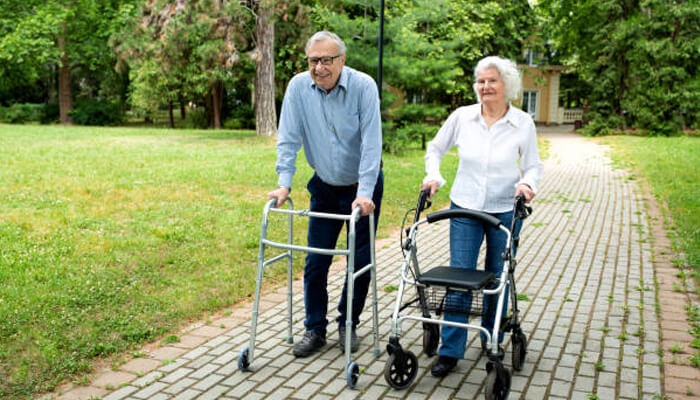

It is a thing that many of us are used to when walking. But to the seniors, those with poor mobility or those who have just undergone surgery, every step may seem unsure. A walking aid is a good confidence restorer. It also aids in avoiding falls and maintains everyday life in a normal manner.
The selection of the appropriate device is individual. What is good in one individual may not be good in another. Others require assistance with balance. Others have to have a seat to rest frequently.
Primary Choices for Walking Support.
No one device suits all. The correct decision will be based on your strength, balance, and routine. The following are the most prevalent walking aids.
Canes and Walking Sticks.
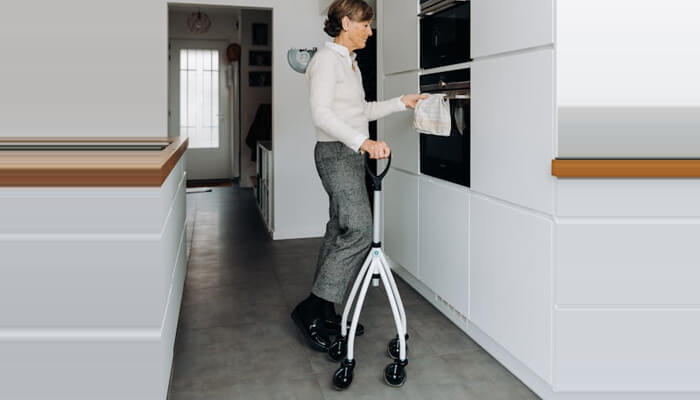
The easiest ones are the canes. They are portable and user-friendly. A cane with one point assists with a slight balance problem. A quad cane is four-footed to be more stable. People who require a little support on only one side use canes. They are unable to provide a seat or storage area.
ADL Rollators.
A rollator walker/seat/basket is a step up in comfort and freedom. It is wheeled, has hand brakes, a built-in seat, and sometimes a small basket. This kind of support is perfect when the individual is able to walk but requires rest on longer journeys. You need not pick up the device.
Major Characteristics that enhance Safety.
The priority is safety. The wrong device can cause falls. The right device prevents them.
Look for easy-squeeze hand brakes. Test them before choosing. Rollators should lock in place when you sit down. This stops the device from rolling away. Most quality models have this built in.
Handles must match your wrist height when you stand straight. If handles are too low, you will stoop. Too high, and your shoulders will hurt. Adjustable handles fix this. A rollator walker with seat and basket nearly always comes with adjustable handle heights.
Standard Walkers
A standard walker has four legs with rubber tips. No wheels at all. The user must lift it to move forward. This design offers the most stability possible. It is the safest choice for people with serious balance problems. It works well for those recovering from surgery. It helps people with significant leg weakness.
Two-Wheel Walkers
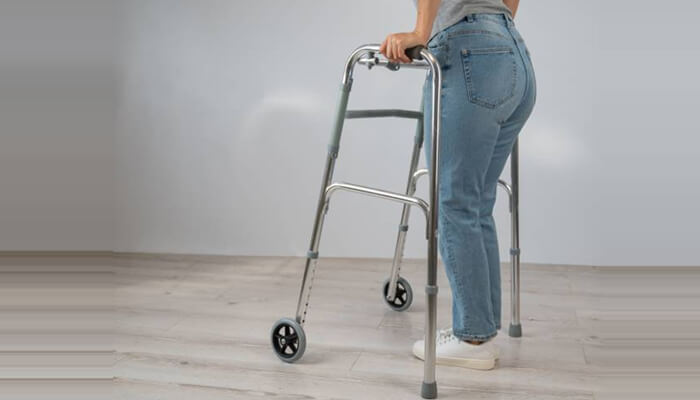
Two-wheel walkers have wheels on the front two legs. The back legs still have rubber tips. This design solves the lifting problem. The user can push the walker forward without picking it up. The wheels roll smoothly. The back legs drag slightly. That drag provides resistance. It keeps the walker from rolling too fast.
Three-Wheel Rollators
Three-wheel rollators have one wheel in front and two in back. They turn much tighter than four-wheel models. This makes them ideal for indoor use. Hallways are no problem. Bathrooms are accessible. Crowded stores become navigable. The loss of one wheel reduces stability slightly. Three-wheel models also rarely have seats. The storage space is smaller.

Four-Wheel Rollators
Four-wheel rollators are the most popular choice today. They have four wheels. They have brakes on the handles. Many have a built-in seat. Some have a storage basket or pouch. The user simply pushes the rollator forward. No lifting at all. This saves energy. It allows longer walks. Rollators shine outdoors. Larger wheels handle uneven ground. The brakes provide control on hills.
Comfort Features for Long-Term Use
Walking aids should not cause new pain. Comfort keeps you using the device every day.
1. Seat Padding and Width
The seat on a rollator should be wide and padded. A hard, narrow seat is uncomfortable after two minutes. Look for at least 12 inches of seat width. Check if your hips feel supported.
2. Handle Grips
Soft foam or ergonomic grips reduce hand fatigue. For them, larger grips with contours work best. Avoid hard plastic grips.
3. Weight and Foldability
A heavy device is hard to lift into a car. This makes travel and storage simple. Many rollator users keep their rollator walker with seat and basket folded in the car trunk. Then they use it at malls, parks, or doctors’ offices.
How to Match a Device to Your Daily Life
Think about where you walk most. Also, think about how long you walk.
- For Indoor Use Only
- For Mixed Indoor and Outdoor Use
- For Recovery After Surgery
Conclusion
Take your time. Try different models. Then choose the one that makes you feel steady and free. Test devices in person. Push them. Sit on the seat. Also, check the weight limit. Most rollators hold 250–300 pounds. If you need more, search for a bariatric model. Maintenance is simple. Check the brake cables once a month. Wipe down the seat and frame. Keep wheels free of hair and dust.
