




Investment firms have always relied on insight, timing, and discipline. That hasn’t changed. What has changed is how those advantages are built and sustained. Today, the firms that consistently outperform are supported by systems that make those decisions faster, clearer, and more scalable.
Technology is now deeply embedded in every layer of investment operations. From back-office accounting to front-line execution, the right tools can reduce friction, improve visibility, and create a level of consistency that’s hard to achieve manually. For firms managing complex portfolios, this is essential. Let’s take a closer look at the types of tech solutions that are quietly shaping the most successful investment firms today.
Building a Strong Foundation With Accounting Software
Every investment firm runs on numbers, but not all firms manage those numbers with the same level of clarity. As portfolios grow more complex, traditional accounting methods start to break down. That’s where modern fund accounting software becomes critical.
The right programs are designed specifically for investment firms that need to manage multiple funds, track performance across assets, and maintain compliance with evolving regulations. Instead of juggling spreadsheets or disconnected tools, firms can centralize their financial data in a single system.
This has a direct impact on decision-making. When financial data is accurate, up to date, and easily accessible, managers can evaluate performance in real time rather than relying on delayed reports. That speed matters, especially in volatile markets where timing can influence outcomes.
Bridging Execution and Strategy Through Market Insight and Leadership
Technology can streamline operations, but it doesn’t replace the need for strong leadership and thoughtful strategy. The most effective firms find ways to integrate both.
When it comes to market execution and thought leadership, successful investment leaders don’t just execute trades. They connect execution with broader market understanding, shaping how firms respond to changing conditions.
From a technology standpoint, this means using tools that support both analysis and communication. Market data platforms, research tools, and performance dashboards allow leaders to interpret trends and share insights across teams.
This integration helps firms stay aligned. When strategy and execution are connected, decisions are more consistent, and teams can move with greater confidence. It also strengthens a firm’s positioning in the market. Thought leadership, supported by real data, can enhance credibility with investors and partners.
Real-Time Data and Analytics are Changing the Pace of Decisions
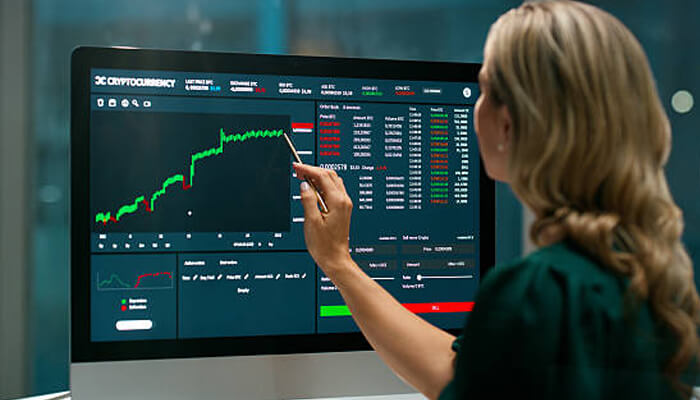
Speed has become one of the defining characteristics of modern investment management. Markets move quickly, and opportunities can disappear just as fast. Firms that rely on outdated data or slow reporting cycles are at a disadvantage.
Real-time analytics platforms are addressing this challenge by providing continuous visibility into market conditions and portfolio performance. Instead of waiting for end-of-day reports, managers can monitor positions, assess risk, and adjust strategies as conditions evolve.
This shift also affects how teams collaborate. With shared dashboards and centralized data, everyone from analysts to senior managers can work with the same information. That reduces miscommunication and allows for faster, more coordinated decisions.
Automation is Reducing Operational Friction
Behind every investment decision is a series of operational processes. Trade settlements, compliance checks, reporting, and investor communications all require time and attention. When these tasks are handled manually, they can slow down the entire organization.
Automation is changing that. By streamlining repetitive tasks, firms can reduce errors, save time, and focus more on high-value activities.
For example, automated workflows can handle trade reconciliation, generate reports, and ensure compliance requirements are met without constant oversight. This not only improves efficiency but also reduces the risk of human error, which can be costly in financial environments.
Automation also supports scalability. As firms grow, the volume of transactions and reporting requirements increases. Without automation, this growth can strain resources and create bottlenecks. With the right systems in place, firms can expand without losing efficiency.
Investor Experience is Becoming a Strategic Priority
Technology isn’t just improving internal operations. It’s also reshaping how firms interact with investors.
Investor portals, digital reporting tools, and communication platforms are making it easier for clients to access information and stay informed. Instead of waiting for periodic updates, investors can view performance data, track allocations, and receive insights in real time.
This level of transparency builds trust. Investors feel more confident when they can see how their capital is being managed and understand the reasoning behind decisions.
It also creates a more professional experience. In competitive markets, the way a firm communicates can influence whether investors choose to stay or move their capital elsewhere.
