




Measuring the Height of Your Ceilings First
If you have very high ceilings, you can afford to use a large, bold coving that reaches further down the wall and across the ceiling. In a room with lower ceilings, a massive piece of moulding might make the space feel cramped or “heavy” above your head. Always remember that you should look for a size that balances the proportions of the room without overwhelming the other furniture or windows.
Matching the Architectural Era of Your Home
Every historical period has a specific style of plasterwork, and choosing a design that fits your home’s age is usually a very safe bet. For instance, Victorian homes often feature deep curves and floral patterns, while Georgian styles might be more geometric and symmetrical. If you live in a modern house, you might prefer a simple “stepped” design or a plain “C-shape” that looks clean and contemporary.
Considering the Existing Decor and Furniture Style
Keep in mind that the furniture and colours you already have in your living room should play a major role in your final decision. If your room is filled with minimalist, sleek furniture, a very ornate and flowery coving might look out of place or too busy. On the other hand, if you have a room with antique chairs and rich fabrics, it can easily handle a more complex and decorative plaster pattern.
Using Coving to Hide Uneven Wall Joins
One of the main benefits of installing plaster coving is its ability to hide the messy cracks that often appear where walls meet the ceiling. In many older houses, the corners are perfectly straight, and paint or wallpaper can sometimes look untidy in these areas. Plaster Coving provides a smooth, solid bridge that covers these imperfections and gives the room a much straighter appearance to the naked eye.
Thinking About the Lighting in the Room
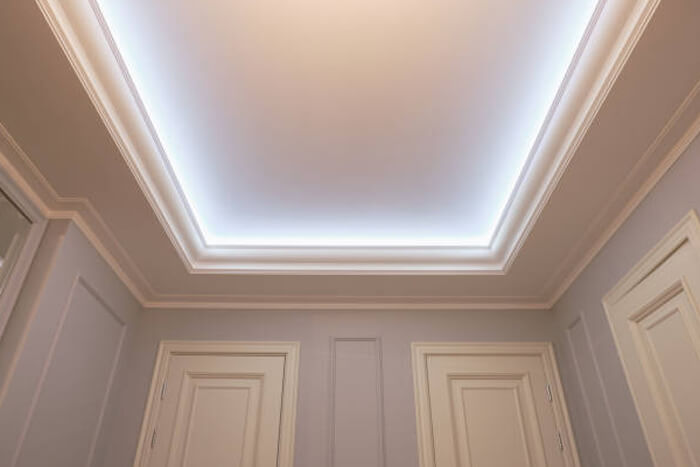
The way light hits your ceiling can change how the patterns in the plaster look throughout different times of the day. Deeply recessed designs will create interesting shadows when your lamps are turned on in the evening, adding a lot of depth to the room. If your living room gets a lot of bright, natural sunlight, a simpler design might look better, as it won’t cast too many dark or distracting lines.
Choosing Between Bold Statements and Subtle Borders
Deciding whether you want your coving to be a main feature or a quiet background detail is a key part of your design plan. Take note that some homeowners love a massive, decorative cornice that stands out and becomes a topic of conversation for guests. Others prefer a very thin and plain border that simply finishes the room neatly without drawing too much focus away from the art on the walls.
Checking the Quality of the Plaster Material
Real plaster provides much sharper lines and a more authentic texture that looks significantly better once it has been painted. While it requires a bit more care to install, the final result is a hard-wearing feature that will last for the entire life of the building. What’s more is that you should always opt for high-quality casts to ensure that the patterns are crisp and free from any bubbles or rough patches.
Making an Informed Choice for Your Interior
Taking the time to research and select the right architectural details is what separates a standard renovation from a truly stunning home. Remember that the best choice is always the one that makes you feel most at home in your own surroundings. As you move forward with your project, keep these tips in mind to ensure your ceiling looks its absolute best to create a beautiful living room.
