


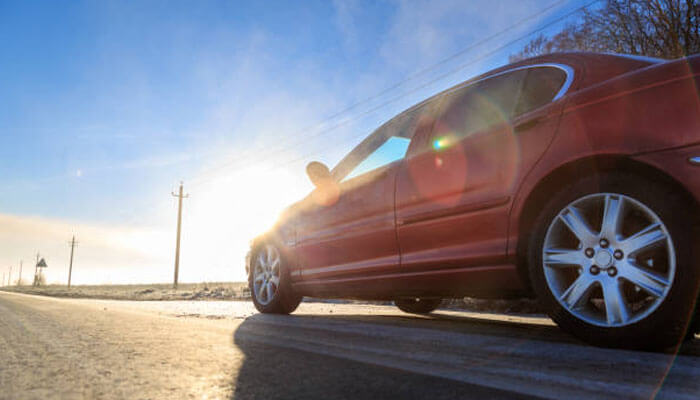

For most Australians, a vehicle is one of the most significant financial assets they will ever own. When evaluating how to protect this investment, owners often focus on the catastrophic risks. Drivers frequently calculate what would happen if your car were stolen and you didn’t have auto insurance to understand sudden financial loss, yet many ignore the silent, gradual destruction happening in their own driveway. Sun damage accelerates vehicle depreciation at an alarming rate, with daily exposure to harsh ultraviolet rays and extreme cabin heat stripping thousands of dollars from a car’s future resale value.
The Hidden Financial Cost of Heat Exposure
The moment a vehicle is parked under the open sky, it begins absorbing solar radiation. This process creates a severe greenhouse effect, trapping heat inside the cabin and turning the interior into an oven. The physics behind this heat accumulation are shocking. According to a study by the Stanford University School of Medicine, the temperature inside a parked car can reach 116 degrees in just one hour, even on a relatively mild day. In the harsh Australian summer, cabin temperatures can soar well beyond this point.
Over time, this relentless thermal stress takes a massive toll on the materials inside the vehicle. The dashboard, upholstery, and steering wheel are subjected to daily expansion and contraction. This contcar sunshadeinuous cycle weakens structural integrity, leading to faded plastics, warped dashboard panels, and cracked leather seats. When the time comes to sell or trade in the vehicle, prospective buyers and dealerships immediately notice these defects. A heavily weathered interior signals neglect, giving buyers significant leverage to negotiate the asking price downward.
To combat this rapid degradation, proactive owners deploy physical barriers to block incoming solar radiation. Equipping the vehicle with a high-quality car sunshade provides an immediate defence against UV penetration, keeping the dashboard cool and shielding delicate electronics from direct sunlight. This simple daily habit prevents the chemical breakdown of plastics and helps maintain the pristine condition that commands top dollar in the used car market.
How Thermal Stress Impacts Modern Vehicle Technology
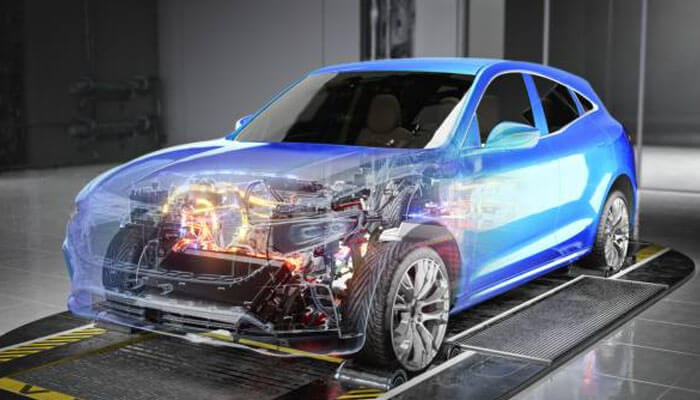
Aesthetics are not the only casualty of severe interior heat. Modern vehicles are essentially rolling computers, packed with sensitive digital displays, infotainment centres, and complex wiring beneath the dashboard console. Unlike mechanical engine components built to withstand extreme operating temperatures, interior electronics are highly vulnerable to prolonged thermal baking.
When cabin temperatures spike, liquid crystal displays can suffer from pixel degradation, while touchscreen responsiveness may become sluggish or fail completely. Furthermore, the adhesives used to secure headliners and door panels often melt or lose their bonding strength under intense heat, causing the fabric to sag. Replacing a central infotainment screen or repairing a drooping headliner can cost thousands of dollars, completely eroding the financial equity you have built in the vehicle. By viewing interior climate control as a vital maintenance task, you protect both the cosmetic and technological assets within the cabin.
Simple Strategies to Preserve Your Car’s Resale Value
Preventing sun damage does not require expensive modifications or complex routines. Adopting a few strategic habits can effectively safeguard your vehicle against environmental wear and tear.
Consider implementing the following asset protection strategies:
- Seek shaded parking: Whenever possible, park in a garage, under a carport, or beneath the shade of a building. If you must park outside, note the sun’s trajectory and position the vehicle so the rear window faces the direct afternoon sun, as rear glass is often tinted darker than the windscreen.
- Apply UV protectants: Treat your dashboard, door panels, and leather seats with a dedicated automotive UV protectant every month. These conditioners act like sunscreen for your upholstery, replenishing essential oils and preventing materials from drying out and splitting.
- Ventilate the cabin: Leaving the windows cracked by just a few millimetres allows trapped hot air to escape. This minor airflow significantly reduces the peak temperature inside the vehicle, relieving stress on dashboard plastics and adhesives.
- Wash and wax regularly: Sun damage also affects the exterior clear coat. Applying a high-quality polymer wax every few months creates a sacrificial barrier against UV rays, preventing the paintwork from oxidising and fading over time.
Conclusion
Treating a vehicle purely as a mode of transport overlooks its role as a financial asset. While mechanical servicing keeps the engine running smoothly, interior preservation dictates how much capital you can reclaim when it is time to upgrade. By understanding the severe impact of solar radiation and implementing daily protective measures, you can halt premature depreciation and keep your vehicle looking showroom fresh for years to come.
