




Tax season can be one of the most stressful times for business owners, especially if records are incomplete or disorganized. However, with the right systems in place, preparing your taxes does not have to feel overwhelming. Staying organized throughout the year not only saves time but also helps you avoid costly mistakes and missed opportunities.
Many business owners find that working closely with experienced tax professionals makes the process smoother and more efficient.
1. Keep Personal and Business Finances Separate
One of the first steps to staying organized is maintaining a clear separation between personal and business finances. This means having dedicated business bank accounts and credit cards. Mixing finances can create confusion, make bookkeeping more difficult, and increase the risk of errors during tax filing.
When your accounts are separate, it becomes much easier to track income and expenses accurately, which is essential for proper reporting and identifying deductions.
2. Maintain Consistent Bookkeeping
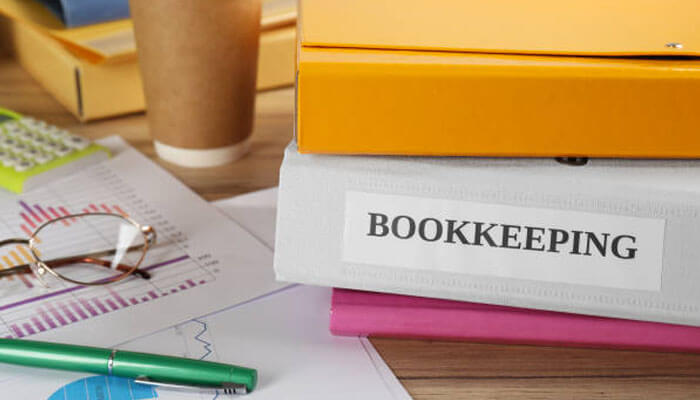
Accurate and up-to-date bookkeeping is the foundation of tax organization. Instead of waiting until the end of the year, make it a habit to record transactions regularly. This can be done weekly or monthly, depending on the size of your business.
Using accounting software can simplify this process by automatically categorizing expenses, generating reports, and reducing manual work. Consistent bookkeeping ensures that you always have a clear picture of your financial situation.
3. Track All Income and Expenses
Every transaction matters when it comes to taxes. Make sure you are recording all sources of income and keeping track of every business-related expense. This includes receipts for office supplies, travel, utilities, and other operational costs.
Keeping detailed records not only ensures compliance but also helps you maximize deductions. The more organized your records are, the easier it will be to support your claims if needed.
4. Store and Organize Documents Properly
Proper document management is key to staying organized. Create a system for storing important financial documents such as invoices, receipts, bank statements, and tax forms. You can use digital tools to scan and store documents securely, making them easy to access when needed.
Organizing documents by category and date can save significant time during tax season and reduce the stress of searching for missing information.
5. Set Aside Money for Taxes
One common challenge for business owners is being unprepared for tax payments. To avoid this, set aside a portion of your income regularly to cover your tax obligations. This can be done by transferring a percentage of your earnings into a separate savings account.
Planning ahead ensures that you have sufficient funds available when taxes are due, helping you avoid financial strain and penalties.
6. Stay on Top of Deadlines
Missing tax deadlines can result in penalties and unnecessary complications. Keep track of important dates, including filing deadlines, estimated tax payments, and reporting requirements.
Using a calendar or reminder system can help you stay organized and ensure that nothing falls through the cracks. Staying proactive with deadlines also gives you more time to review your records and make any necessary adjustments.
7. Review Financial Reports Regularly
Regularly reviewing your financial reports allows you to catch errors early and stay informed about your business performance. Monthly or quarterly reviews can help you identify trends, monitor expenses, and ensure everything is properly recorded.
This habit not only prepares you for tax season but also supports better decision-making throughout the year.
8. Plan Ahead for Deductions and Credits
Understanding which deductions and credits apply to your business can significantly reduce your tax liability. However, many of these require proper documentation and planning in advance.
By staying organized and keeping detailed records, you can take full advantage of available tax benefits. This proactive approach ensures that you do not miss opportunities to save money.
9. Work with Professionals
Even with strong organizational habits, taxes can still be complex. Partnering with knowledgeable tax professionals can provide valuable guidance and peace of mind. They can help you review your records, ensure compliance, and identify strategies to optimize your tax position.
Working with experts also reduces the risk of errors and allows you to focus more on running your business.
Staying organized for tax season is not just about reducing stress. It is about creating a system that supports your business throughout the year. By maintaining accurate records, planning ahead, and staying consistent, you can make tax season far more manageable.
With the right approach and support when needed, tax preparation becomes a routine part of your business operations rather than a last-minute scramble. In the long run, organization is one of the most valuable tools a business owner can have.
