


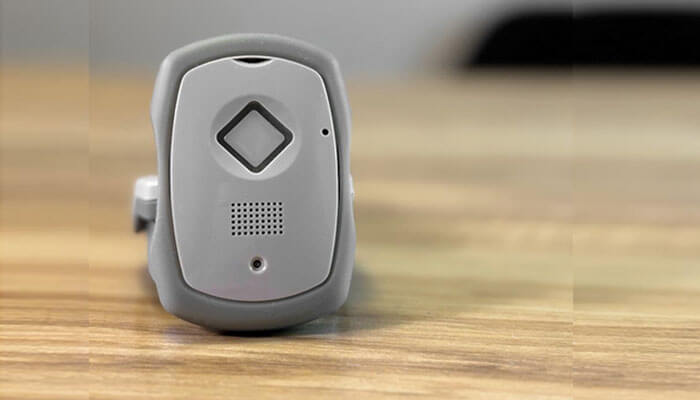

The aging population is creating one of the fastest-growing technology markets in the world. Entrepreneurs and startups are racing to build devices, like GPS tracking systems, that keep seniors safe while preserving their independence.
GPS-enabled medical alert systems sit at the center of this opportunity. Products like Life Assure tracking systems combine location tracking with fall detection, two-way communication, and 24/7 monitoring to help families and caregivers respond to emergencies faster.
What Is Driving Demand for Senior GPS Tracking Devices?
Demographics and shifting family structures are pushing demand higher every year. The number of Americans over age 65 will reach 80 million by 2040, and most of them prefer to remain in their own homes rather than move into assisted living facilities.
The CDC reports that over 14 million older adults fall each year. Falls cause more than 41,000 deaths annually among people 65 and older. These numbers make fall detection and emergency location tracking a medical necessity, not just a convenience feature.
Adult children who live far from aging parents drive much of the purchasing activity. Geographic separation between families has increased over the past two decades. A GPS-enabled alert device gives distant caregivers peace of mind by providing real-time location data and automatic emergency notifications.
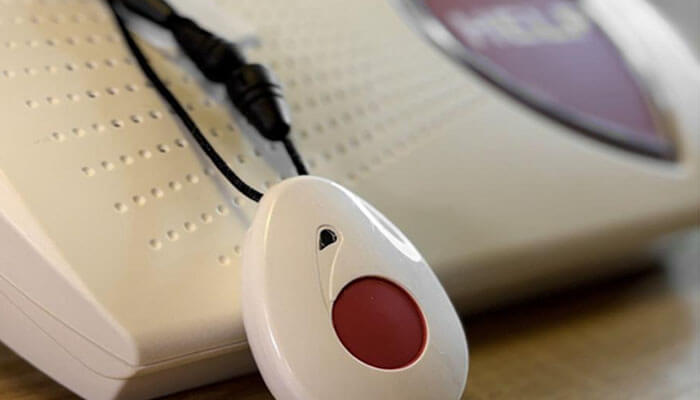
The shift from landline-based alert systems to mobile devices also expands the market. Traditional medical alert pendants only worked inside the home. Modern GPS-enabled devices travel with the user to grocery stores, parks, doctors’ offices, and anywhere else daily life takes them.
How Do Modern Senior GPS Systems Actually Work?
These devices combine several technologies into a single wearable unit. Here is how the core features function together:
1. GPS location tracking. Cellular-connected GPS chips report the wearer’s position in real time. Caregivers and monitoring centers access this data through companion smartphone apps or web portals.
2. Automatic fall detection. Built-in accelerometers and gyroscopes detect sudden changes in motion and orientation. When a fall is detected, the device contacts the monitoring center automatically without requiring the wearer to press a button.
3. Two-way voice communication. A built-in speaker and microphone let the wearer talk directly with monitoring center operators. This feature helps dispatchers assess the situation and send the right type of help.
4. Emergency SOS button. A physical button on the device lets wearers manually call for help during any emergency, not just falls. Pressing it connects them immediately to trained emergency operators.
5. Geofencing alerts. Caregivers set safe zones around the wearer’s home or neighborhood. If the wearer leaves those boundaries, the system sends automatic notifications to designated contacts.
6. 24/7 professional monitoring. Trained operators staff monitoring centers around the clock. They coordinate emergency responses, contact family members, and dispatch local services when needed.
Entrepreneurs exploring medical tech startups should study this feature stack closely. It represents the minimum viable product that today’s senior safety market expects.
Why Should Entrepreneurs Pay Attention to This Market?
The senior safety technology market is growing at over 7 percent annually and will exceed $15 billion globally by 2028. Several factors make this sector attractive for startups and investors.
Recurring revenue models power the business. Most GPS medical alert services charge monthly subscription fees for monitoring, cellular connectivity, and app access. This creates predictable cash flow that investors value highly in startup evaluations.
Customer acquisition costs stay relatively low compared to other health tech sectors. Adult children actively search for these solutions when a parent experiences a fall or a health scare. The buying trigger is emotional and urgent, which shortens sales cycles dramatically.
The technology barrier to entry has dropped. Off-the-shelf GPS modules, cellular IoT chips, and cloud monitoring platforms allow startups to build functional products without massive hardware development budgets. Differentiation comes through software, user experience, and service quality rather than expensive proprietary hardware.
Government programs also support adoption. Medicare Advantage plans increasingly cover personal emergency response systems as supplemental benefits. This third-party payment channel reduces price sensitivity and expands the addressable market for startups that qualify.
What Features Separate the Best Senior GPS Devices From Average Ones?
Not all tracking systems deliver equal value. Here is how leading products compare across key features:
- Battery life matters most. Devices that require daily charging frustrate users and create dangerous gaps in protection. Leading products last 3 to 7 days on a single charge. Average devices need charging every 24 to 48 hours.
- Waterproof design is essential. Many falls happen in bathrooms. Devices rated IP67 or higher survive shower use and accidental submersion. Non-waterproof devices fail exactly when users need them most.
- Cellular connectivity type affects coverage. 4G LTE devices work in more locations than older 3G models (which most carriers have discontinued). Some premium devices now include satellite connectivity for rural areas.
- Fall detection accuracy separates leaders. Early fall detectors produced excessive false alarms. Top devices in 2026 use machine learning algorithms trained on millions of movement patterns to distinguish real falls from activities like sitting down quickly.
- App quality determines caregiver satisfaction. Clean, intuitive companion apps with real-time maps, activity history, and customizable alerts keep families engaged. Poor app design leads to subscription cancellations regardless of device quality.
The National Council on Aging recommends that families evaluate medical alert devices based on the specific needs of the older adult, including their activity level, living situation, and health conditions.
What Challenges Do Senior Safety Startups Face?
Building a successful senior safety company requires solving problems beyond the technology itself. Trust and reliability define this market more than features alone.
Regulatory compliance creates the first barrier. Medical alert devices must meet FCC requirements for wireless communication and may require FDA classification depending on their health monitoring claims. Startups that make unsupported medical claims face enforcement actions that can shut down operations.
User adoption remains difficult because the primary user (the senior) differs from the primary buyer (the adult child). Devices that feel stigmatizing or complicated get abandoned quickly. Successful products look like normal watches or pendants rather than medical equipment.
Customer support demands 24/7 availability with zero tolerance for failure. A missed emergency call can result in serious injury or death. Monitoring centers need redundant systems, trained operators, and partnerships with local emergency services in every coverage area.
Founders exploring profitable tech ideas should weigh these operational requirements carefully. The market rewards companies that prioritize reliability and service quality above all else.
The Big Picture
- Over 14 million older adults fall each year in the United States, creating urgent demand for GPS-enabled safety devices.
- Modern systems combine GPS tracking, fall detection, two-way voice, geofencing, and 24/7 monitoring in a single wearable device.
- The senior safety technology market exceeds $15 billion globally and grows at over 7 percent annually.
- Recurring subscription revenue, low customer acquisition costs, and Medicare coverage make this sector attractive for startups.
- Battery life, waterproofing, fall detection accuracy, and app quality separate leading products from average competitors.
- Regulatory compliance, user adoption challenges, and 24/7 support requirements demand serious operational commitment.
Is the Senior Safety Market Worth Watching?
GPS tracking systems for seniors address a genuine, growing need that affects millions of families. The combination of favorable demographics, proven business models, and accessible technology creates real opportunity for entrepreneurs who build reliable products. This market rewards companies that treat safety as a mission, not just a feature list.
FAQ
1. How much do GPS tracking systems for seniors typically cost?
Devices range from $20 to $100 for the hardware, with monthly monitoring fees between $25 and $50. Some companies include the device free with a subscription commitment. Medicare Advantage plans increasingly cover personal emergency response systems, which can reduce or eliminate out-of-pocket costs for eligible users.
2. Do senior GPS trackers work without cell service?
Most GPS tracking devices require cellular connectivity to transmit location data and connect emergency calls. Some premium devices now include satellite connectivity for areas without cell coverage. Wi-Fi positioning also supplements GPS in indoor environments where satellite signals are weak.
3. How accurate is fall detection on wearable devices?
Modern fall detection algorithms achieve roughly 90 to 95 percent accuracy in controlled testing. Real-world accuracy depends on device placement and the wearer’s activity patterns. Machine learning improvements in 2025 and 2026 have significantly reduced false alarm rates compared to earlier generations of fall detection sensors.
4. Can caregivers track a senior’s location in real time?
Yes. Most GPS medical alert systems include companion apps that display the wearer’s location on a map updated every few minutes. Some devices offer continuous real-time tracking during emergencies. Geofencing features also send automatic alerts when the wearer enters or leaves designated safe zones.
