


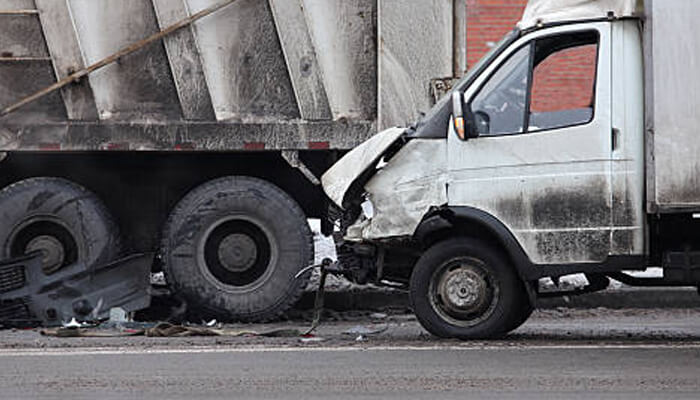

Long Island is a unique landscape defined by the constant flow of traffic between the quiet suburbs of Suffolk and the industrial energy of Nassau County. While these logistics chains keep our island running, the presence of heavy-duty rigs creates a vastly different risk profile compared to standard passenger travel. When an accident involves a commercial truck, the legal path forward diverges sharply from a typical fender-bender due to the sheer scale of the vehicles and the complex web of corporate liability involved in truck accident claims.
Navigating these intricacies requires a focused strategy that accounts for federal safety standards and multi-party insurance disputes. At Friedman & Simon, we specialize in identifying these critical distinctions to ensure that the unique burdens of a truck collision are fully addressed. By understanding the heightened stakes of these claims, you can better protect your rights and your future on the road.
Vehicle Size and Damage
To put this into perspective, big rigs are considerably heavier than passenger vehicles. l They have, of course, a far greater mass that almost always results in greater injuries and property damage in any collision. Trucks are simply larger vehicles, and because of this, they tend to do widespread damage, at times to multiple parties. This worsening intensity leads to higher insurance claims and more difficult investigations.
Multiple Parties Involved
Truck accident claims frequently feature multiple parties. Standard car accidents involve only the drivers and their insurance companies. To assess fault in truck collisions, it may be necessary to consider fault on the part of the truck driver, the truck driver’s employer, the owner of the truck, the company responsible for the truck cargo, or even the truck maintenance provider.
Regulations and Legal Standards
There are regulations for commercial trucks that most cars do not have to adhere to. These rules include driver requirements, maintenance schedules, hours-of-service regulations, inspections, etc. The compensation mechanism will focus on compliance. Combined with the fact that breaches can quickly impact liability and damages. In most cases, car crashes are not subjected to such regulatory scrutiny, leading to a more effective regulatory process, whereas claims related to trucks require much deeper scrutiny by different authorities and legal experts.
Insurance Requirements and Policy Limits
The extent of damage and injuries possible in a commercial truck accident warrants greater coverage. Since regular cars generally have lower policy limits, claims payments are frequently smaller. Truck accident claims can be higher in compensation, but getting the amount that is owed to validate damages and liability can be more difficult, because the stakes are higher.
Evidence Collection and Preservation
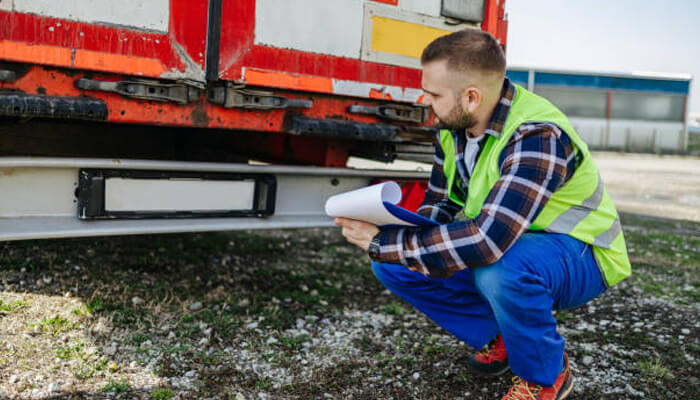
Collecting evidence for truck accidents is different from that for car crashes. Trucks often have electronic logging devices and event data recorders that retain valuable data. Investigators might look into how many hours a person drove, how fast they drove, and how hard they slammed on the brakes. This data can help determine who is at fault. Truck claims typically require experts to analyse truck data, since car accidents do not provide this level of technological specificity.
Injury Severity and Medical Considerations
Injuries from truck accidents are much more severe. It becomes more likely that one has to go for hospitalisation, pay for long-term care, or stay in bed for weeks. This severity also means that the victims may require long-term treatment and rehabilitation. Damages in such cases, including those for medical bills, pain, suffering, and lost wages, are typically significantly higher. Injuries from a car crash are, however, less severe, albeit still quite serious and less extensive claims and claims for compensation.
State and Federal Oversight
The federal government also has jurisdiction over truck accidents. Here, agencies have oversight responsibility to ensure compliance with health and safety standards in the above and to investigate significant incidents. This extra attention can change the way a case is handled or how liability is apportioned. Unlike a car crash, which only involves local law enforcement and insurance companies. Additional oversight often results in more paperwork and formal processes for truck accident claims.
Expert Involvement
In a truck accident case, there is often a need for industry experts. Experts can study car maintenance, driving behavior, or safety protocols. They provide insurance companies and courts with technical reports that simplify and formalise the facts of the case.
Conclusion
There are significant differences between truck accident claims and car accident claims. These differences affect each stage of the process, from evidence collection to the ultimate resolution. Familiarity with these features prepares all involved parties to face the situation with maximum confidence and clarity. Understanding these differences is the first step to a fair and just outcome.
