


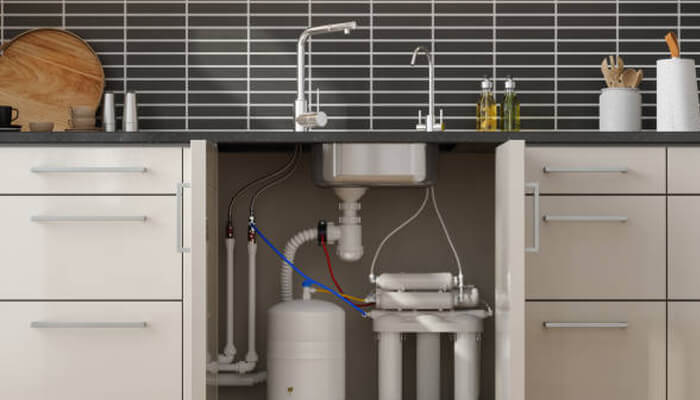

It’s hard to choose a filtration system because every product on the market claims to be the best. You might be confused about what the most important thing is because there are so many different specs, features, and prices.
To feel sure enough to move forward, you need a simple way to compare the systems that isn’t based on marketing. These are the options you need to think about so you can make your choice without stress.
Understand What You Want to Filter Out
Some households desire to have their water taste better. To a lesser extent, some people are concerned about minerals, sediment, or chemicals.
If this clarity is lacking, it has the potential to quickly become very overwhelming. As a starting point, consider the experiences you have had with your water. All of these identifiers lead to other needs, such as if it has an unpleasant taste or smell, leaves a residue, irritates your skin, and so on.
Compare Filtration Types, Not Just Brands
The thing is, not all water filtration systems are the same. Some use carbon filters, while others use reverse osmosis. The next one is a multi-stage system, and so on.
In other words, even if you compare brands, the system’s effectiveness depends on more than just the brand. Learn the method to understand how it works, and then you’ll know what you pay for.
Look at What the System Actually Removes
All these “advanced” and “high-performance” phrases say nothing about what you, as an end-user, can expect in the long run. Do not trust a system unless its manufacturer provides a list of filters.
Make sure to look through these contaminant reduction lists closely. A reputable supplier will precisely tell you what the device is capable of. All in all, it is better to choose a product based on a mere indication of ability.
Compare Availability and Support
When filters are difficult to find and minimal support is available, upkeep can become a chore. Before making a decision, ask about availability. When considering water filters for sale, ensure that you enquire about replacement access and overall support. Local availability and transparent support avenues eliminate some of the headaches of the ordeal.
Consider Installation and Daily Use
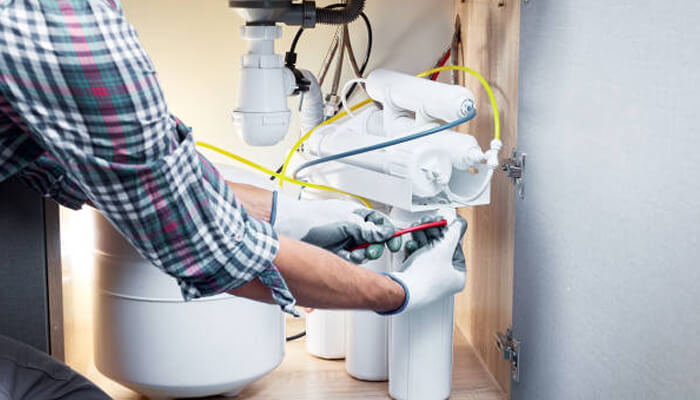
Some require permanent installation, and others sit on the bench or neatly under the sink. Your level of satisfaction in the long run depends on how easy it is to use. Consider the level of effort that you are ready to spend. The required staff, available space, and daily operations should be part of the routine.
Compare Ongoing Maintenance Costs
The upfront price is just the beginning. You also have to consider the ongoing expense of replacing filters; maintenance costs vary widely across systems. Going with the cheapest option up front can end up costing more in the long run. You should therefore factor in how long the filters last and how much it costs to replace them.
Check Certifications and Quality Standards
The certifications validate the system’s claims. If there are no certificates, human confidence is the only option, but it may not be enough. It is necessary to find the brands and standards of acceptance. The point is to make the choice based on the safe and sound experience of a water filter and not guess which type is more preferable.
Choose With Clarity, Not Confusion
Comparing filtering systems may not be an exciting or simple matter. Overall, when you concentrate on its basic purpose, keep in mind daily cleaning, and link the decision to your habits and preferences, all other factors get removed.
