



Key Takeaways:
- With the evolution of thermoforming innovations, manufacturers have achieved higher levels of efficiency, accuracy, and eco-friendliness, transforming the industry for the better.
- Using automation and machine learning together has changed the way manufacturers produce their goods.
- The increasing use of new materials, along with the evolution of hybrid processing, is providing manufacturers with an ever-expanding market for thermoformed products.
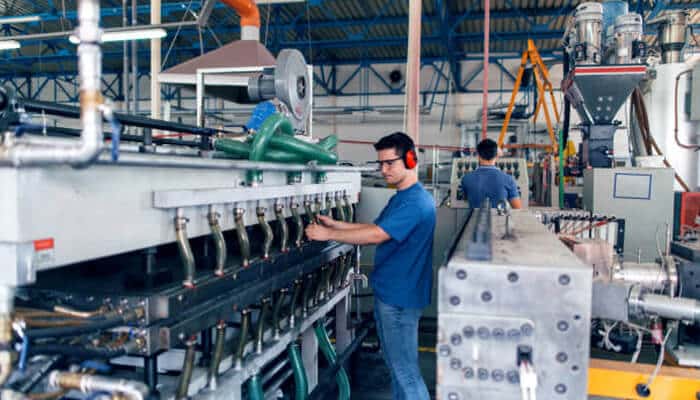
The practice of thermoforming is a primary method of converting plastic sheets into functional, complex forms in a very economical and effective manner. Thermoforming innovations have allowed this process to evolve, making it more efficient and versatile. As a result, thermoforming has many various applications. With the increasing demand for these products in multiple industries, including healthcare, automotive, and consumer products, many thermoforming companies are creating innovative methods that increase value to their products through the use of cutting-edge technologies. A leading thermoforming company is adopting modern technologies to improve its consistency, increase design freedom, and incorporate sustainability into its business processes.
The introduction of these new technologies has pushed the entire industry in a positive direction. As a result of the use of these new technologies, manufacturers now enjoy higher productivity and quality, greater choice of materials, and greater ability to use sustainable methods when manufacturing their products. By utilizing the most recent thermoforming technologies, these companies are keeping current with their respective industries, including the trends related to the increase in volume production, use of rapid prototyping, and increased demand for durable, lightweight products.
Automation and Machine Learning Integration
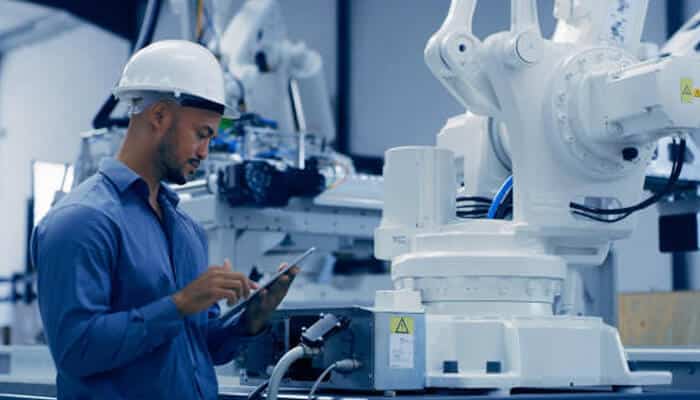
Automation and artificial intelligence technology are rising in the thermoforming industry. Automated systems with machine-learning capabilities will monitor themselves and adjust accordingly to increase production speed, consistency, and decrease error rates. The use of artificial intelligence (AI) vision systems allows for the detection and correction of defects in thermoformed products immediately. These systems are interconnected, which allows for predictive maintenance of machines to be performed remotely, reducing downtime due to machine failure. Manufacturers can quickly adapt to changes in design or production needs due to the ability to process each element of the process independently and provide faster, more accurate, and tailored solutions.
The evolution of plastics manufacturing is not limited to thermoforming. Sophisticated processes employed by industry-leading injection molding companies further expand the capabilities available to manufacturers, providing complementary options for a range of applications such as precision components and high-volume product runs.
Emerging Materials and Sustainable Practices
The use of “green” new product processes for the promotion of sustainable solutions to the production of plastic is leading to increased eco-friendly product development as well as less environmental impact associated with the use of plastic. The use of biodegradable materials, including PLA, PHA, and bioplastics, plays a major role in environmentally friendly production and can be used in a circular fashion. In addition, the increased use of recycled materials and an improved energy management system result in higher production efficiency in thermoformed product manufacturing. Furthermore, implementing smart technologies leads to less waste and lower energy use, such as ovens that heat and hold the right temperature more precisely during the thermoforming process.
Hybrid Manufacturing Techniques
The hybrid manufacturing process utilizing thermoforming along with 3D printing, CNC trimming, and injection molding allows manufacturers to create more complex designs and applications than ever before. Hybrid manufacturing makes it easy for a manufacturer to create a 3D print mold for a part, allowing the manufacturer to quickly create many design variations of a single part, testing out different designs quickly, with very little time delay, and with very low costs associated with the creation of the different molds. The ability to quickly create a mold enables intricate details and functional features that cannot typically be manufactured using the traditional thermoforming process. Hybrid manufacturing is becoming increasingly popular among industries seeking to create parts with complex geometries and lightweight component designs, such as the aerospace and healthcare industries, and is also rising across numerous industries for agility in product development.
Advancements in Forming Processes
Modern advanced machine hardware and control systems have led to significant improvements in thermoforming techniques. Using enhanced vacuum forming technology, manufacturers can produce extremely thin, uniform wall thicknesses that meet the performance requirements of both high-volume packaging applications and the medical device industry. Pressure-forming technology allows for the reproduction of very precise surface textures and extremely tight tolerances that are important for producing critical-use products. Twin-sheet thermoforming allows for the creation of two separate sections of material that are bonded together to form a rugged, double-wall structure which is capable of providing thermal insulation and strength properties across a vast spectrum of potential applications such as plastic pallets or automotive body panels.
These innovations enable the efficient production of lightweight, cost-effective parts for high-performance industries. As production volumes and complexity continue to rise, automation and system upgrades become essential for maintaining quality while minimizing material usage and cycle times.
Digital Twins and Simulation Tools
Thermoforming lines may be optimized by creating virtual versions of a physical manufacturing process. The ability for engineers to access and reuse digital data while designing, testing, and improving products reduces both the expense of creating prototypes and the challenges of testing. By utilizing an advanced videogame-like simulation system, businesses can create products faster and efficiently provide end-users with components that meet precise requirements.
For companies seeking a competitive advantage, digital simulation enables rapid scaling and facilitates the integration of design modifications, all while conserving resources. Early adoption of digital twin technologies can accelerate innovation and reduce go-to-market timelines in manufacturing.
Conclusion
Technological, environmental, and market forces are driving the development of thermoforming. The advancements in the industry in the areas of automation, sustainable materials, hybrid production techniques, and digital tools are enabling manufacturers to produce products with higher performance, greater flexibility, and more environmentally responsible solutions. As these innovations spread throughout various industries, thermoforming will have the ability to provide enhanced opportunities and a more viable future for manufacturers worldwide.
