




Indoor saunas are becoming a popular addition to modern homes, but many homeowners still have questions before moving forward. From installation concerns to everyday use, understanding how an indoor sauna works helps set realistic expectations and makes the buying process easier.
According to Sauna Depot, one of Canada’s leading sauna retailers, most concerns around indoor saunas come from misconceptions rather than actual limitations. Here are clear, straightforward answers to the most common indoor sauna questions homeowners ask.
Can an Indoor Sauna Be Installed in Any Home?
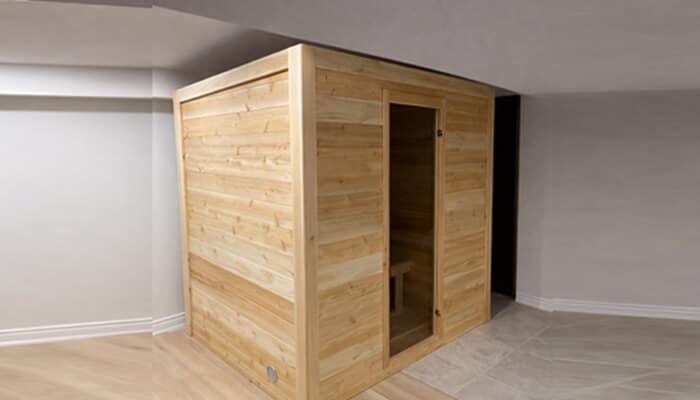
Most homes can accommodate an indoor sauna with minimal adjustments. Indoor saunas are designed to work within standard residential spaces, including basements, spare rooms, home gyms, and even larger bathrooms. As long as the area is dry, level, and has access to electrical power, installation is usually possible.
Homes with limited space often benefit from compact indoor sauna models, which are built specifically for smaller footprints without sacrificing comfort or performance.
Do Indoor Saunas Require Special Ventilation?
Indoor saunas do require airflow, but the setup is far simpler than many people expect. Most indoor saunas rely on passive ventilation that allows fresh air to circulate naturally during use. This is typically achieved through built-in vents and proper room placement rather than complex duct systems.
Because indoor saunas are engineered for residential environments, they are designed to maintain airflow while retaining heat efficiently.
What Are the Electrical Requirements for an Indoor Sauna?
Electrical requirements depend on the size of the sauna and the type of heater used. Most indoor saunas require a dedicated electrical connection, which is usually handled by a licensed electrician during installation.
Once the electrical setup is complete, operating an indoor sauna is straightforward. Controls are user-friendly, and no ongoing electrical adjustments are needed during regular use.
Is Installing an Indoor Sauna a Major Renovation?
Installing an indoor sauna is generally not considered a major renovation. Most models arrive in prebuilt panels that are assembled directly in the home. This process is efficient and typically completed in a single day, with minimal disruption to the surrounding space.
Unlike custom-built sauna rooms, prebuilt indoor saunas do not require framing, drywall work, or permanent structural changes.
How Much Maintenance Does an Indoor Sauna Require?
Indoor saunas are designed to be low maintenance. Regular care usually involves basic cleaning and allowing the sauna to dry properly after use. Because the sauna is installed indoors, it is protected from weather exposure, which reduces long-term wear.
With proper care, an indoor sauna can maintain both appearance and performance for many years.
How Hot Does an Indoor Sauna Get?
Indoor saunas are capable of reaching temperatures comparable to traditional sauna environments. Temperature ranges vary depending on heater type and model, but users can easily adjust settings to suit their preferences.
Modern indoor sauna controls allow consistent heat management, making sessions predictable and comfortable.
Are Indoor Saunas Safe for Regular Use?
Indoor saunas are designed with safety in mind. When installed properly and used according to manufacturer guidelines, they are safe for regular use. Features such as tempered glass doors, insulated panels, and reliable control systems help ensure a secure experience.
As with any sauna, users should follow recommended session durations and consult a healthcare professional if they have specific medical concerns.
Do Indoor Saunas Increase Home Value?
Many homeowners view indoor saunas as a premium upgrade that adds functional value to the home. While resale impact varies by market, indoor saunas are often seen as a desirable feature, especially in regions where year-round use is possible.
Because indoor saunas integrate seamlessly into existing living spaces, they appeal to buyers looking for modern home upgrades.
How Long Does an Indoor Sauna Last?
With proper installation and basic upkeep, an indoor sauna can last for many years. High-quality materials, stable indoor conditions, and protected placement contribute to longevity.
Choosing a well-built sauna designed specifically for indoor use helps ensure consistent performance over time.
Final Thoughts
Indoor saunas are far more accessible than many people assume. They don’t require major renovations, complicated ventilation systems, or constant maintenance. For homeowners looking to add a practical, long-term upgrade to their living space, an indoor sauna offers a reliable and straightforward solution.
Understanding the most common indoor sauna questions helps remove uncertainty and makes it easier to plan with confidence.
