


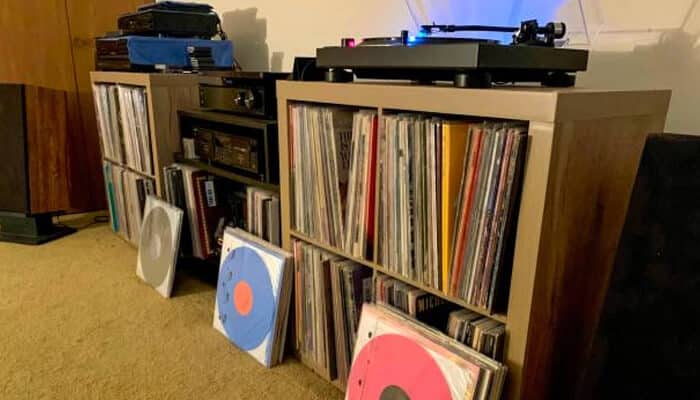

For music enthusiasts, a vinyl record collection is not just an auditory experience but also an artistic statement. These delicate grooves encode not only sound but also history and personal memories, which is why it’s fundamental to store them properly. Improper handling and storage can cause scratches, warps, and irreversible damage, eroding the music’s fidelity and your records’ value. To enjoy the timeless charm of vinyl, it’s essential to be meticulous in preserving your collection. In this article, we’ll walk through best practices for keeping your vinyl records organised and well-maintained.
Selecting the Right Storage Solutions for Vinyl Records
One of the cornerstones of vinyl record care is selecting appropriate storage solutions. Standard shelving can warp records if they’re not adequately supported or if too much weight is applied. Investing in specialised storage units designed to securely hold vinyl records upright is a move any serious collector should consider.
For example, a modular vinyl storage system can be a game-changer. Such systems are engineered with the unique needs of vinyl records in mind, avoiding the common pitfalls of traditional furniture. Modules are often designed to expand with your collection, so they grow with your musical library, ensuring you’re always ready to accommodate new acquisitions without sacrificing the protection of your current catalogue.
In addition to structural integrity, the material of the storage solution matters. Wood and certain polymers are popular for their durability and modest cushioning. Whatever option you choose, ensure that the corners are smooth and the surfaces are free of rough textures to prevent sleeve and record damage when sliding them in and out.
Finally, consider the aesthetic aspect of your storage solution—it should reflect your personal style and fit comfortably with your living space. A well-chosen record shelf or cabinet can serve as a focal point, showcasing the beauty of your collection while keeping it organised and protected.
The Role of Environmental Control in Preserving Vinyl Records
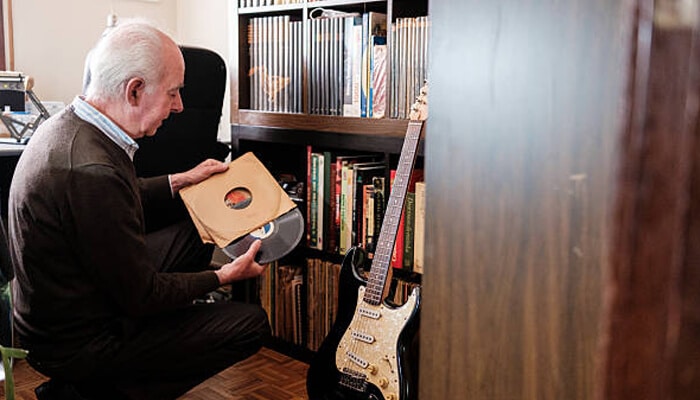
Even with the right storage units, environmental factors can damage vinyl records. It’s important to keep them away from direct sunlight, extreme temperatures, and high humidity levels. Sunlight can fade artwork and warp vinyl, while extreme temperatures and moisture fluctuations can cause vinyl to deteriorate over time.
Humidity is particularly insidious for vinyl records. High humidity promotes fungal growth, which can damage the record’s surface and sleeve. Investing in a dehumidifier for the room where your records are stored is a wise decision for any serious collector, as it helps maintain an optimal climate for vinyl preservation.
Temperature control is equally critical. Ideally, records should be stored in a cool, consistent environment. Significant fluctuations can cause the vinyl to contract and expand, potentially warping the record. A good rule of thumb is to store records in conditions comfortable for living—not too hot, not too cold.
It’s also wise to avoid placing speakers or other electronics that generate heat near your vinyl records. Over time, the emitted heat increases the risk of warping and degrading your collection. Strategic placement of your storage solutions within your living space is therefore an important consideration.
Handling and Maintenance Tips to Avoid Vinyl Record Damage
When handling vinyl records, it’s crucial to touch only the edges and labelled areas to avoid transferring oils and grime to the grooves. Fingers can deposit debris that attracts dust or becomes embedded in the vinyl, leading to audio degradation. Always pick up a record by its edges, using multiple fingers to distribute the pressure evenly.
Cleaning is a vital aspect of vinyl record maintenance. There are specially designed brushes that gently remove surface dust, and record-cleaning solutions that can dissolve grime without harming the vinyl. Use these tools before and after each play to ensure your records remain pristine.
Regularly inspect your records for signs of dirt accumulation or damage. Catching issues early can prevent more severe problems later. Additionally, make sure your turntable needle is clean and in good condition; a worn needle can scratch and gouge the vinyl, causing irreversible damage.
Lastly, when not in use, always return records to their sleeves and storage spaces. It’s tempting to leave an album out after playing, but open-air exposure invites dust and potential accidents. Making the safe storage of your vinyl a habit is essential to maintaining a pristine collection.
The meticulous organisation and care of your vinyl records can serve as a testament to their value in your life, ensuring the longevity and quality of your collection. By following these guidelines, you can keep your beloved albums spinning for years to come without the fear of damage or decay.
