


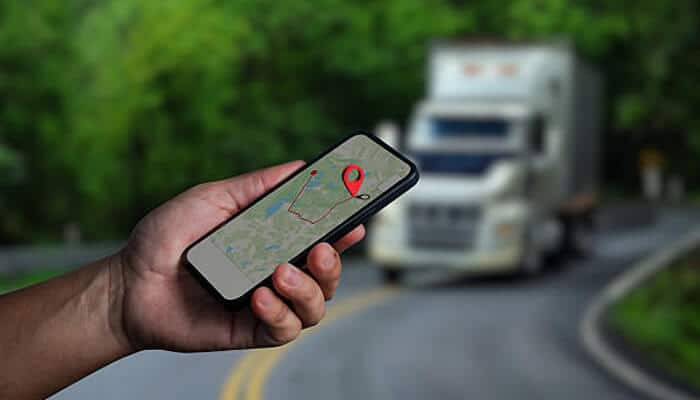

Fleet-driven companies rely on the decisions that their drivers will arrive at during the day. The performance of the fleet is made up of each of the accelerations or stops or deviations of routes or idle time. Without having an apparent view, the managers may not know what is really going on the road and therefore opens up ways of inconsistent service, fuel wastage or even create even greater danger to safety.
Transparency in modern operations is also even higher. As customers demand the correct delivery windows and companies aim at minimizing liability, any company requires a viable means of monitoring the activity and making sure that drivers are working to the required standards. It is feasible to track performance using the right digital tools that will not interfere with the workflow, providing organizations with the clarity they require to create the expectations and consistently deliver the required quality.
How Tracking Systems Prevent Equipment from Going Missing
Digital tracking provides managers with an in-depth insight into the behavior of their drivers and the way each trip is made.
Key advantages include:
- Sensitive observation of behavior that identifies unsafe habits or inefficient behavior.
- Proper time and route documentation to save on disagreements and verify job status.
- Notifications about unforeseen stops or deviations, which facilitate fast response where required.
- Confirmed performance data which develops a just and clear-cut assessment procedure.
These features can assist companies to keep the standards higher and keep the drivers to act according to the set principles.
What Plus Surveillance Technology Does It Have
Unusual or Unauthorized Movement Alerts
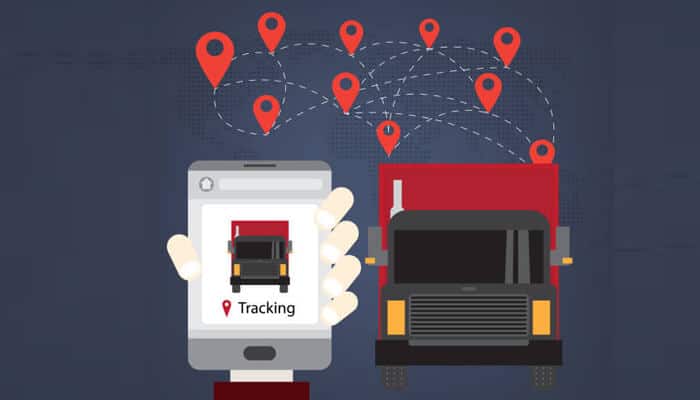
Through fleet tracking, the managers know the exact position of the vehicles and the progress of the drivers. Real-time information can be used to ensure that the routes are taken as instructed and gives immediate information on the occurrence of delays or unusual routes. This openness will enhance quicker interaction and confidence among drivers and their dispatch groups.
Logs of Usage which indicate Activity Patterns
The indicators that are gathered by tracking technology include speeding, hard braking, and rapid acceleration. These indicators may be applied to define the tendencies that may put drivers or vehicles under threat. Based on this data, companies will be in a position to offer tailored coaching and promote safer practices that will decrease the cases of incidents and lead to more stable output in the fleet.
Location Tracking in Real-Time
The travel times, stops, and job completions are known to be recorded automatically through tracking systems. These confirmed documents rule out speculations and can be used to address doubts regarding a time, behavior, or change of path. The outcome is a less complex and subjective assessment procedure that promotes reasonableness and responsibility.
Improving Efficiency Across Multiple Job Sites
Data clarity promotes the establishment of appropriate communication between the management and the drivers. Discussions will be more constructive and goal-oriented when there is a common set of facts among all the people taking part in working on them. Drivers can have a clearer understanding of what is expected and the managers can address issues in a confident and more straightforward manner. Such cohesion will reduce the friction and co-ordinate the team to a team that feels the responsibility.
There is also operational consistency, which is enhanced by performance being tracked. It is through the observation of the trends among various drivers that the managers can recognize recurrent issues, improve the policies, and come up with specific training programs. The insights are used to establish standardized norms throughout the fleet, which decreases variation and enhances a higher degree of service reliability.
Reducing Financial Risk and Strengthening Accountability
When the behavior of the drivers is monitored regularly, safety becomes easier to control. Recognizing the initial signs of hazardous work is one of the methods to avoid accidents, minimize insurance expenses, and minimize unplanned downtime. In the long run, such a strategy develops an atmosphere in which drivers are aware of the value of safe practices and feel encouraged to attain them.
The legal protection and compliance is also assisted by the accountability tools. Proper records are evidence-based in case of disputes or incidents, and businesses are able to defend themselves and manage claims much better. It also benefits the drivers because recorded information safeguards them against unjustified accusations or miscommunication, which provides a more balanced and open workplace.
Conclusion
The use of modern tracking technology provides fleets with a better understanding of driver conduct, thus enhancing accountability, safety, and providing more consistent service. Having real-time updates, behavior insights, and the ability to keep a detailed record of the activity, businesses obtain the equipment to drive performance in a fair and efficient way.
The more companies get used to smart accountability solutions, the more robust teams will be created, the less the risk, and a more reliable fleet will be retained by the company.
