


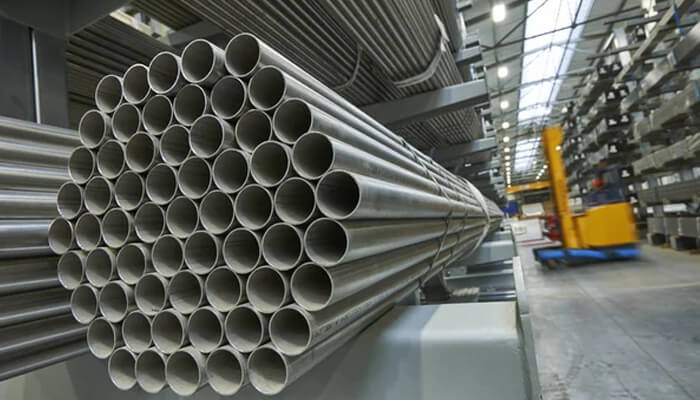

Metal materials continue to play a major role in construction, manufacturing, engineering, transportation, and infrastructure projects. Among the many materials used across these industries, metal tubes remain one of the most versatile and widely applied components because of their strength, durability, and adaptability.
From structural frameworks and industrial machinery to transport systems and architectural projects, metal tubes are used in applications that require reliable performance under different operating conditions. Their ability to provide structural support while maintaining relatively efficient weight distribution makes them valuable across a wide range of industries.
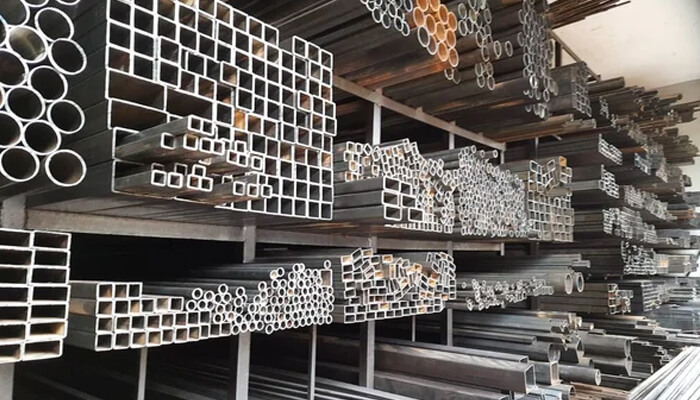
For businesses, engineers, and fabricators researching solutions such as metal tubes, understanding the broader role of tubular materials can help support better planning, improved structural performance, and long term project reliability. Metal tubes are available in multiple materials and profiles, including round, square, and rectangular forms designed for different engineering requirements.
1. Structural Strength Supports Multiple Applications
One of the main reasons metal tubes are widely used is their ability to provide strong structural support.
Their design helps distribute loads efficiently while maintaining stability across various applications. Metal tubes are commonly used in frameworks, support structures, machinery, and construction projects where strength is a critical requirement. Round, square, and rectangular profiles each provide different structural advantages depending on the application.
2. Different Materials Offer Different Advantages
Metal tubes are available in several material options, each suited to specific environments and operational needs.
Mild steel is often chosen for general fabrication because of its strength and cost effectiveness. Stainless steel provides strong corrosion resistance, while aluminium offers lighter weight properties that may be beneficial in transport and aerospace applications. Material selection plays an important role in determining performance and durability.
3. Versatility Makes Them Suitable for Many Industries
Few engineering materials are used across as many sectors as metal tubing.
Construction, manufacturing, transportation, agriculture, automotive production, shopfitting, and industrial fabrication all rely on metal tubes for various structural and mechanical purposes. Their adaptability allows them to support both large scale industrial projects and smaller custom fabrication work.
4. Weight and Strength Can Be Balanced Effectively
Many projects require materials that provide strength without adding unnecessary weight.
Tubular structures often offer an effective strength to weight ratio compared to some solid materials. This balance helps improve efficiency in applications where weight reduction remains important while maintaining structural integrity. Metal tubes are widely valued for their high strength to weight performance across engineering and fabrication projects.
5. Metal Tubes Can Be Customised for Different Projects
Engineering projects rarely have identical requirements.
Metal tubes can often be cut, welded, bent, machined, and fabricated into different shapes depending on project specifications. This flexibility allows manufacturers and fabricators to adapt materials to suit unique structural or mechanical requirements. Metal tubing is commonly selected because it can be readily modified during fabrication processes.
6. Corrosion Resistance Supports Long Term Durability
Environmental exposure can significantly affect material lifespan.
Projects located outdoors, near coastal environments, or within industrial facilities often require materials that can withstand moisture, chemicals, and temperature fluctuations. Stainless steel and aluminium tubing are frequently selected for environments where corrosion resistance is important. Stainless steel tubes are commonly used in marine, food processing, and chemical applications because of their durability.
7. Precision Manufacturing Improves Reliability
Modern manufacturing processes have improved the quality and consistency of metal tubing.
Precision formed tubes offer improved dimensional accuracy, smoother finishes, and reliable performance across demanding applications. Advanced manufacturing techniques also support tighter tolerances and better quality control during production. Many modern tube products are manufactured to recognised engineering standards with traceability and certification support.
8. Industrial Systems Depend on Reliable Components
Many industrial environments operate continuously and require dependable materials that can perform under demanding conditions.
Metal tubes are often used within machinery, conveyors, equipment supports, transport systems, and industrial frameworks where reliability is essential. Strong and durable components help reduce maintenance requirements while supporting operational efficiency over time. Industrial fabrication remains one of the major application areas for metal tubing products.
9. Long Term Infrastructure Planning Requires Durable Materials
Infrastructure projects are often expected to remain functional for decades.
Selecting durable materials during the planning stage can help reduce maintenance costs, improve reliability, and support long term structural performance. Metal tubes continue to be widely used because they can meet demanding engineering requirements across both commercial and industrial projects. Their availability in multiple materials, sizes, wall thicknesses, and finishes allows designers to select solutions based on specific project needs.
Why Metal Tubes Continue to Be Widely Used
As industries continue developing more advanced systems and infrastructure, the need for strong and adaptable materials remains constant.
Metal tubes provide a combination of structural strength, fabrication flexibility, corrosion resistance, and long term reliability that supports a broad range of applications. From construction frameworks and transport systems to industrial equipment and specialist engineering projects, metal tubing continues to serve as a foundational material across multiple sectors.
The Relationship Between Material Selection and Performance
Engineering performance often depends on selecting the right material for the intended application.
Factors such as load requirements, environmental exposure, fabrication needs, and maintenance expectations all influence material selection decisions. Understanding these requirements helps organisations choose solutions that support both performance and long term durability.
Careful planning during material selection can reduce future maintenance challenges while improving overall project outcomes.
Final Thoughts
Modern engineering and construction projects depend on materials that can deliver reliable performance across a wide range of operating conditions. Strength, versatility, durability, and adaptability continue to make tubular materials an important part of industrial and structural design.
For professionals exploring solutions related to metal tubes, understanding how material choice, design requirements, and operating environments influence performance can help support better project planning, improved efficiency, and stronger long term structural reliability.
