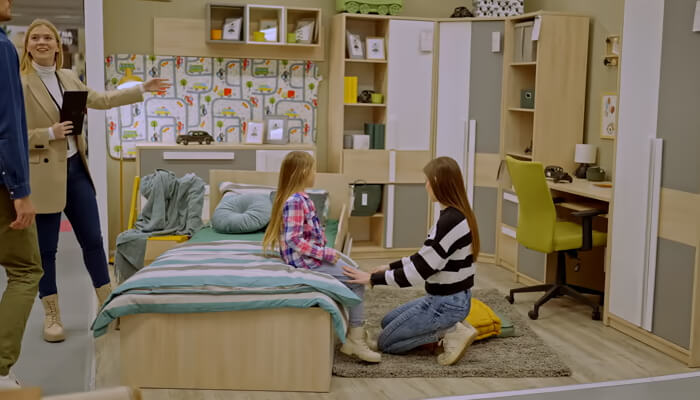
Choosing furniture for your child helps to make a normal room become a place to help your child grow. You want a room where your child feels comfortable and safe. You want to make sure that every item you order has a purpose and is relevant to your child’s changing needs as they grow. This guide will help you make good choices that are decorative as well as useful for your entire home.
1. Prioritise Durable Materials
When you begin to look for the first complete bedroom set for your child, the most important thing to look for is the good quality of the materials used to make it. Children’s furniture gets a lot of wear and tear because children are active, and furniture gets a lot of use from different games. That’s why selecting a solid timber or metal frame means that the furniture won’t break or wear out quickly.
2. Focus on Versatile Designs
Buying adaptable furniture is a great way to cut costs and minimise waste in the long run. For instance, you can look for a length-adjustable bed or a changing table that converts into regular drawers. These types of furniture will allow you to avoid replacements with every growth spurt. By choosing neutral colours and classic shapes, you will ensure the room will be sophisticated enough for older children.
3. Maximise Built-In Storage
Keeping a bedroom tidy can be a constant challenge, so finding pieces with clever storage solutions is vital for maintaining a peaceful space. Look for bed frames that feature deep under-bed drawers or headboards with integrated shelving for books and small toys. Utilising vertical space with tall wardrobes or adjustable shelving units allows you to keep the floor clear for play activities and creative movements.
4. Consider Safety Features
Ensure that all tall items like bookshelves and dressers come with wall-anchoring kits to prevent any accidental tipping during climbing or play. Smooth edges are much safer than sharp corners, especially for younger children who are still finding their balance and running around the room. Checking for non-toxic paint finishes will give you peace of mind knowing your child is in a healthy environment.
5. Measure Your Available Space
Use a measuring tape to map out where each piece will sit, ensuring there is plenty of room for doors to open fully. Leaving enough floor space is crucial because kids need a designated area where they can spread out their toys and engage in physical play. A room that feels cramped can become stressful, so choosing appropriately scaled furniture will help the entire space feel much more open and inviting.
6. Reflect Your Child’s Personality
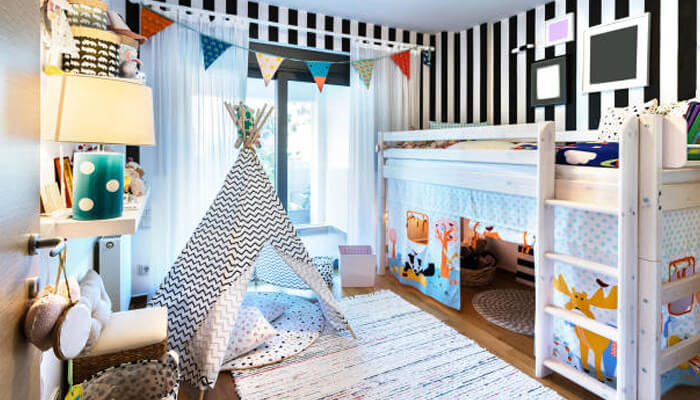
While practicality is the main goal, find ways to incorporate elements that reflect the personality and interests of your child. You can achieve this by choosing furniture with subtle details or by adding colourful accessories like handles and knobs that are easy to swap later. Involving your child in the selection process for smaller items helps them feel a sense of ownership and pride in their living space.
7. Think About Easy Maintenance
With a busy lifestyle, you will appreciate kids bedroom furniture that does not require constant polishing to look its best. Opt for fabrics that are stain-resistant or removable covers that can be tossed into the washing machine whenever a mess occurs during playtime. Smooth surfaces that do not trap dust easily will make your weekly cleaning routine much faster and more efficient for your entire household.
Making Your Final Selection
Once you have considered all these factors, you can move forward with confidence knowing that your choices are grounded in style. Taking the time to research and measure ensures that you avoid common mistakes and invest in pieces that offer genuine value for your money. Your effort in choosing practical items today will result in a functional and beautiful space that serves your family well into the future.