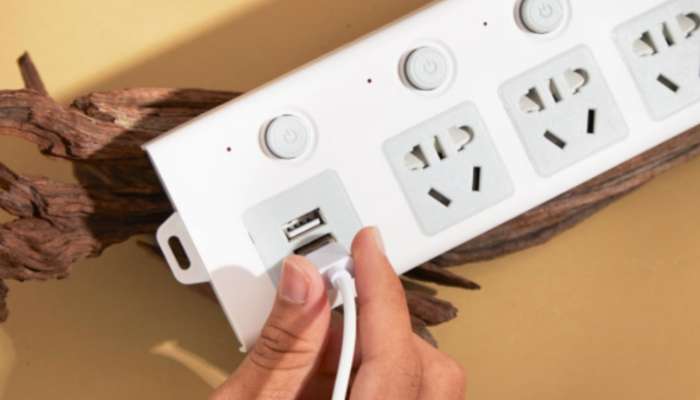
Extension cords used outdoors are often left lying around carelessly once the job is finished, especially when the work is completed in a rush. They get easily twisted in circles that are difficult to remove next time you require them. Over time, exposure to rain, sunlight and rough handling can weaken their outer layer and slow down their performance. These minor problems might not appear to be serious initially, but when used, they pose a risk to safety, such as tripping or even electrical damage.
That said, these issues can be addressed in a realistic manner by means of simple storage habits. An appropriate system can assist you in keeping cords safe from weather, preventing unnecessary wear, and keeping them conveniently available to use when you need them.
This article discusses easy and practical outdoor extension cord storage ideas that can ensure you manage power safely while keeping your space tidy and organized.
1. Use Weatherproof Cord Reels for Safe and Easy Storage
One of the most convenient methods of storing an outdoor extension cord is a weatherproof reel. It ensures that the wire is tightly wrapped so that when it is used, it does not spread across the ground. This assists in removing clutter and makes it much easier to handle when you require it.
Nonetheless, when hanging loose, a cord often creates random bends in various sections. With time, these repeated bends wear the inner wiring, thereby lowering its overall durability. A reel helps prevent this by keeping the shape controlled, which safeguards the internal structure.
In addition to protecting the structure, outdoor-rated reels also cover cords against rain, dust and sunlight. Because weather exposure is a primary cause of early wear, this process can be used to increase cord life and keep it ready to use in normal outdoor applications.
2. Install Wall Mounted Cord Holders for Fixed Storage Control
Wall-mounted holders are designed to provide you with a specific location where you can always keep your extension cords. Once installed in a garage, shed, or an outdoor wall, they assist you in avoiding leaving cords on the floor after use. This ensures a more systematic and orderly storage routine.
This also assists in minimizing exposure to moisture and dirt that may result from ground contact. The outer covering of the cord may become weak due to such exposure and impact performance over time. A wall-mounted system eliminates this by ensuring cords are off the ground and dry.
Besides protection, fixed storage enhances convenience in the day-to-day work. Rather than having to go through various places to find your cord, you can always be sure where you have left it, and this saves time and keeps your workspace organized.
3. Store Cords in Waterproof Outdoor Storage Bins for Full Protection
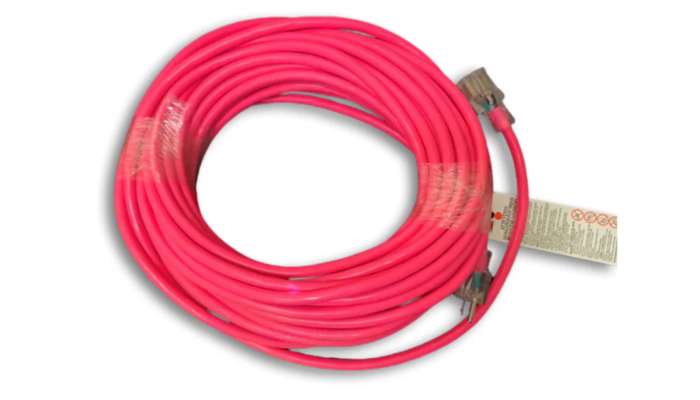
A waterproof storage bin offers full coverage protection for extension cords kept outdoors. It keeps multiple cords together in one closed space, which prevents clutter and confusion during storage. This makes it easier to manage different cords in one place.
At the same time, outdoor storage often exposes cords to rain or moisture, which can gradually damage insulation. A sealed bin blocks water entry and protects the outer insulation from weakening. This helps maintain the cord’s strength for a longer time.
It also protects against dust, insects, and outdoor debris that can collect on exposed cords. As a result, your cords stay clean and ready to use without requiring extra cleaning before every task.
4. Hang Cords on Utility Hooks for Simple Vertical Organization
Utility hooks provide a quick way to store extension cords without taking up floor space. By hanging cords neatly on hooks, you avoid leaving them in loose piles that can easily get tangled or stepped on. This keeps the area more organized.
When cords are hung properly, they maintain a natural curve instead of sharp folds. Sharp bends often create weak points inside the wire over time. A hanging system helps avoid unnecessary pressure on the cord structure.
This method also improves space usage in small work areas. Since cords are stored vertically, you can keep more room available for tools and movement. It creates a cleaner and safer working environment overall.
5. Use Cord Storage Bags for Easy Transport and Protection
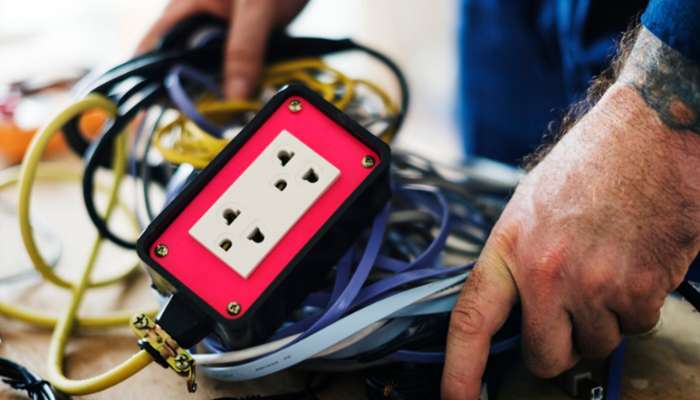
Cord storage bags are designed for situations where cords need to be moved between different locations. They keep cords bundled in one place, which prevents them from spreading or tangling during transport. This makes handling much easier.
Strong fabric or reinforced material used in these bags protects cords from scratches and surface damage. When cords move against rough objects, their outer layer can wear out slowly. A storage bag reduces this contact.
For people working in multiple locations, these bags make setup and packing much faster. Instead of spending time organizing cords repeatedly, you can move them quickly and focus more on your work.
6. Wrap Cords Using the Over-Under Method for Long-Term Safety
Proper wrapping plays a key role in extending the life of an extension cord. The over-under method helps create smooth loops that avoid twisting the internal wires. This keeps the cord flexible and safe for repeated use.
Without proper wrapping, cords often develop tight bends that slowly damage the internal structure. Over time, this can lead to internal damage that is not visible from outside. A structured wrapping method prevents this issue effectively.
By using a consistent wrapping method, you ensure the cord stays flexible and unrolls easily whenever needed. This makes repeated use safer and more reliable.
7. Label And Separate Cords for Clear and Safe Identification
Labeling cords helps you quickly understand their purpose without checking each one manually. You can mark them based on length, thickness, or usage type so selection becomes faster and more accurate.
Without separation, cords often get mixed together, which increases the risk of using the wrong type for heavy-duty tools. This can result in using a light-duty cord for heavy tools, which increases safety risks. Separation helps prevent such mistakes and confusion.
When cords are clearly grouped and labeled, storage becomes more structured and predictable. You spend less time searching and more time working efficiently in a safer environment.
Conclusion
Good cord storage is an important part of safer power management. When you keep cords protected, organized, and easy to identify, you reduce common safety risks and help maintain reliable performance during outdoor tasks. Small storage improvements can make a noticeable difference in both convenience and long-term cord care.
To support safe and efficient outdoor power use, take a look at the extension cord collection from Americord. Whether you need a cord for general outdoor use or more demanding applications, exploring the available options can help you find a solution that matches your power requirements while supporting safer everyday use.