


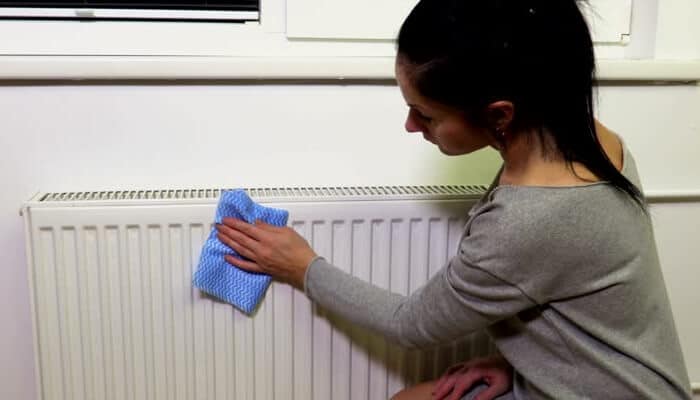

Keeping your radiators in peak condition requires a bit of attention to what happens inside the metal pipes where water circulates every day. Rust and scale buildup are the enemies of your heating system, as they act like insulation that blocks heat from reaching your room. This blog will walk you through seven essential tips to prevent damage and keep your home feeling warm and comfortable.
1. Managing System Water Quality
The water circulating in your system contains minerals that naturally form hard scale if you do not use the right additives. Consider using a chemical inhibitor, which is a liquid solution that you add to your heating system to prevent corrosion and mineral deposits from hardening. This creates a protective layer on the internal surfaces of your pipes and radiators, significantly extending the life of your equipment.
2. Bleeding Air from the System
Air trapped inside your radiator prevents water from filling the entire unit, which creates cold spots and encourages rust to form on the dry metal surfaces. Bleed your radiators at least once a year, typically before the start of the heavy heating season, to release this trapped air. When you let the air out, you ensure that the water can touch every part of the interior metal, which keeps the system efficient.
3. Regular Pressure Checks
Your heating system relies on specific pressure levels to push water through the loop and keep it moving efficiently without leaving stagnant pockets. If the pressure drops too low, oxygen can enter the system easily, which accelerates the growth of rust inside your radiators and pipes. Check your boiler pressure gauge regularly to ensure it stays within the manufacturer’s recommended range for your specific setup.
4. Flushing the System Periodically
Over many years, sludge and debris will accumulate at the bottom of your radiators, blocking the flow of heat and causing cold spots at the base. A power flush is a deeper cleaning process where a professional uses high-speed water to dislodge these stubborn particles and wash them out of the system. Think about scheduling this every few years to keep the loop clean and responsive to your thermostat settings.
5. Monitoring for Unusual Noises
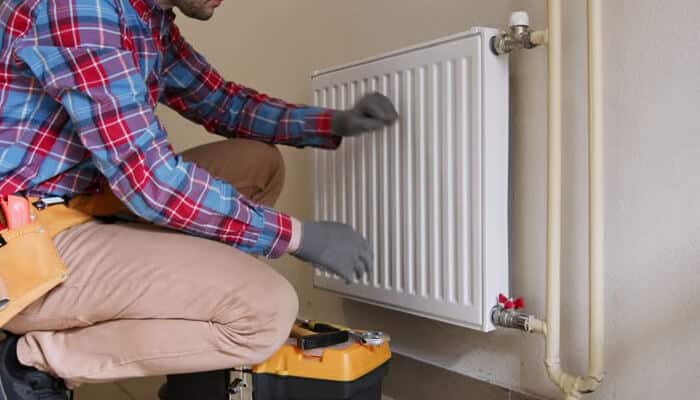
Your radiators should operate almost silently, so any tapping or hissing sounds often indicate that there is air or debris moving around inside. These noises are your system’s way of telling you that something is not quite right and needs your immediate attention before it becomes a bigger issue. Investigate any strange sounds promptly by checking the valves and bleeding the radiator to see if air is the culprit.
6. Inspecting Valves and Connections
Turn your radiator valves fully open and closed at least twice a year to keep the internal seals moving and free of scale. Check the area around the connections for any signs of small drips or green crusty deposits, which often signify a slow leak that could be introducing oxygen. A dry and clean valve connection is a sign that your radiator is sealed tight and protected from internal rust.
7. Scheduling Professional Service
While you can manage many maintenance tasks yourself, having a professional look at your system once a year provides extra security for your home. An expert can check the deeper parts of your heating loop and test for the presence of corrosive sludge that you might not be able to see. They also have the right tools to balance your system, ensuring that heat reaches every room in your house exactly as it should.
Invest In Effective Radiator Care
Taking care of your radiators is a process that rewards you with better heat, lower energy use, and a much longer lifespan for your equipment. By following these tips, you maintain a clean system that protects your comfort during the chilliest parts of the year. Start these simple habits today and enjoy the consistent, reliable warmth that a well-maintained home radiator provides for you and your family.
