




After a collision, accident liability establishes who is legally liable for injuries and monetary losses. In the majority of personal injury cases, a person’s liability depends on whether they failed to use reasonable care and whether that failure caused harm to another person.
Understanding the grounds for liability helps injured people, drivers, and insurers evaluate claims more fairly. Knowing the basic legal principles also reduces confusion when fault is disputed.
Many people misunderstand how liability is determined after an accident. The legal process relies on evidence, negligence rules, and insurance laws instead of assumptions or personal opinions.
Here are 5 important facts about accident liability everyone should know:
Liability Is Usually Based on Negligence
Negligence is the foundation of most accident liability cases. A person may be legally responsible if they fail to act with the level of care that a reasonably careful person would use under similar circumstances. Courts generally examine four elements:
- A legal duty existed.
- That duty was breached.
- The breach caused the accident.
- The injured person suffered measurable damages.
Because traffic regulations require reasonable care to safeguard others, a driver who misses a red light and causes an accident, for instance, may be deemed negligent.
More Than One Person Can Share Fault
Liability is not always assigned to only one party. Many states apply comparative negligence rules, allowing fault to be divided when multiple people contribute to an accident.
For example, one driver may have been speeding while another made an unsafe lane change. If both drivers contributed to the crash, each may be assigned a percentage of fault that affects financial recovery.
This approach recognizes that real-world accidents often result from several contributing factors rather than a single mistake.
Traffic Ticket Does Not Automatically Decide Liability
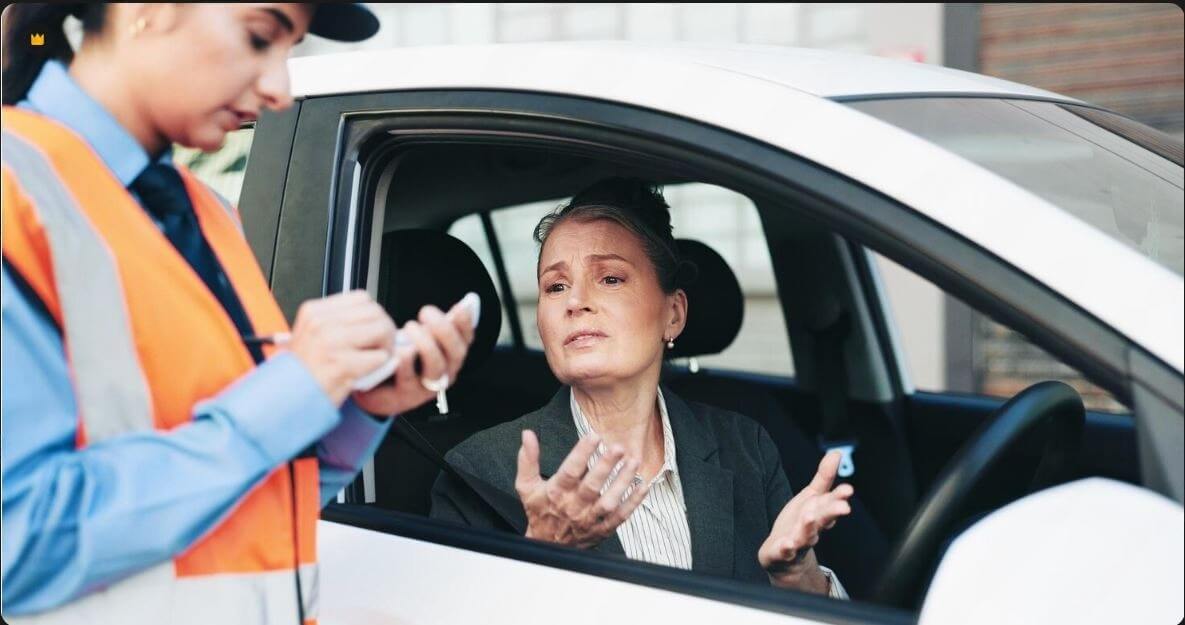
Receiving a traffic citation may support a liability claim, but it does not automatically establish legal fault. Insurance adjusters and courts review the entire sequence of events before making a final determination.
Important evidence often includes police reports, photographs, witness testimony, roadway conditions, and vehicle damage. Together, these details create a more complete picture than a citation alone.
Strong Evidence Matters More Than Blame
Accusing another driver is rarely enough to prove liability. Objective evidence carries greater weight because it helps connect negligent conduct to the injuries and financial losses being claimed. Useful evidence commonly includes:
- Scene photographs
- Witness statements
- Police reports
- Medical records
- Repair estimates
- Available video footage
Promptly preserving this information can strengthen the factual record while memories remain fresh and physical evidence is still available.
Insurance Usually Pays the Claim
Even when a driver is legally responsible, insurance often covers eligible damages under the applicable policy limits. Instead of paying directly from personal funds, the at-fault driver’s insurer usually handles covered claims.
Coverage depends on policy terms, available limits, exclusions, and applicable state laws. When damages exceed policy limits, additional legal issues may arise regarding personal responsibility.
Understanding this distinction helps explain why insurance companies play such a significant role in accident investigations and settlement discussions.
What to Do Immediately after an Accident
Following an accident, taking the proper actions straight away can help preserve evidence and support any future liability evaluation.
- Preserve the accident scene with photos and videos.
- Gather witness names and contact information.
- Obtain medical evaluation and keep treatment records.
- Request a copy of the police report.
- Notify your insurance company with accurate information.
These actions create a stronger factual record while protecting important legal interests.
Key Takeaways
- Liability in accident cases usually depends on proving negligence.
- More than one person may legally share responsibility for a collision.
- A traffic ticket supports a claim but does not automatically prove fault.
- Strong evidence is essential for establishing liability and damages.
- Insurance generally pays covered claims for an at-fault driver.
- Early documentation strengthens the accuracy of liability investigations.
